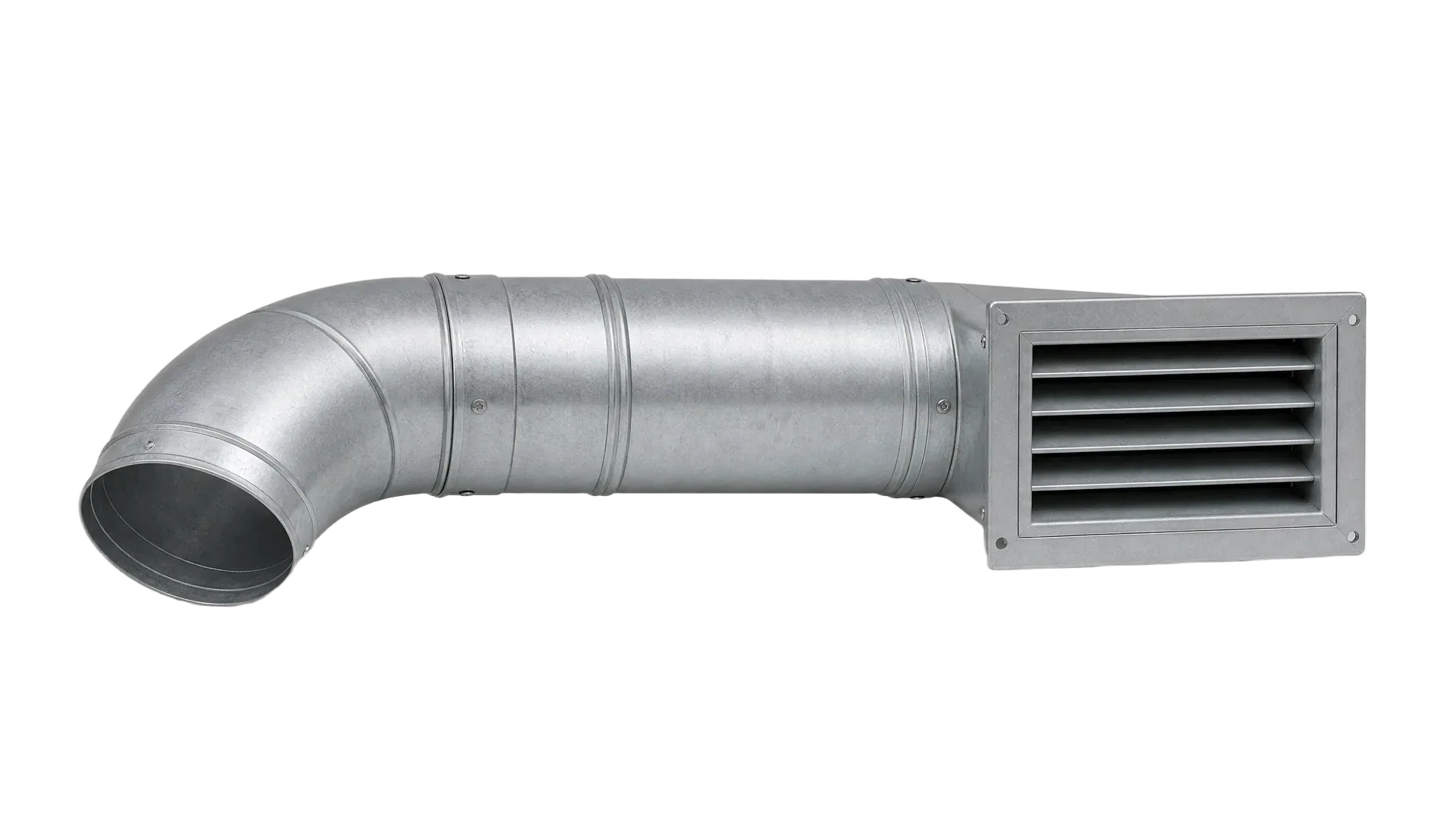
Duct cleaning can ease allergy symptoms, but only if dust and pet dander buildup is actually what's bothering you. Ducts collect dust, pollen, pet hair and sometimes mold, and every time the furnace or air conditioner runs, that gets pushed back into the rooms you're sitting in. With gas heat running for months at a stretch here in South Dakota, the air moving through your system gets a lot of use, and whatever is sitting in the ducts rides along with it. If you notice symptoms get worse right when the furnace kicks on in fall, or you can see dust kicking out of the vents, cleaning the ducts out addresses that directly. It won't help if your allergies are driven by something outside the ducts entirely, like pollen coming in through open windows or a pet that sheds in the room itself. The filter still matters too. A clean duct system paired with a filter that's actually doing its job is what cuts down what you're breathing.
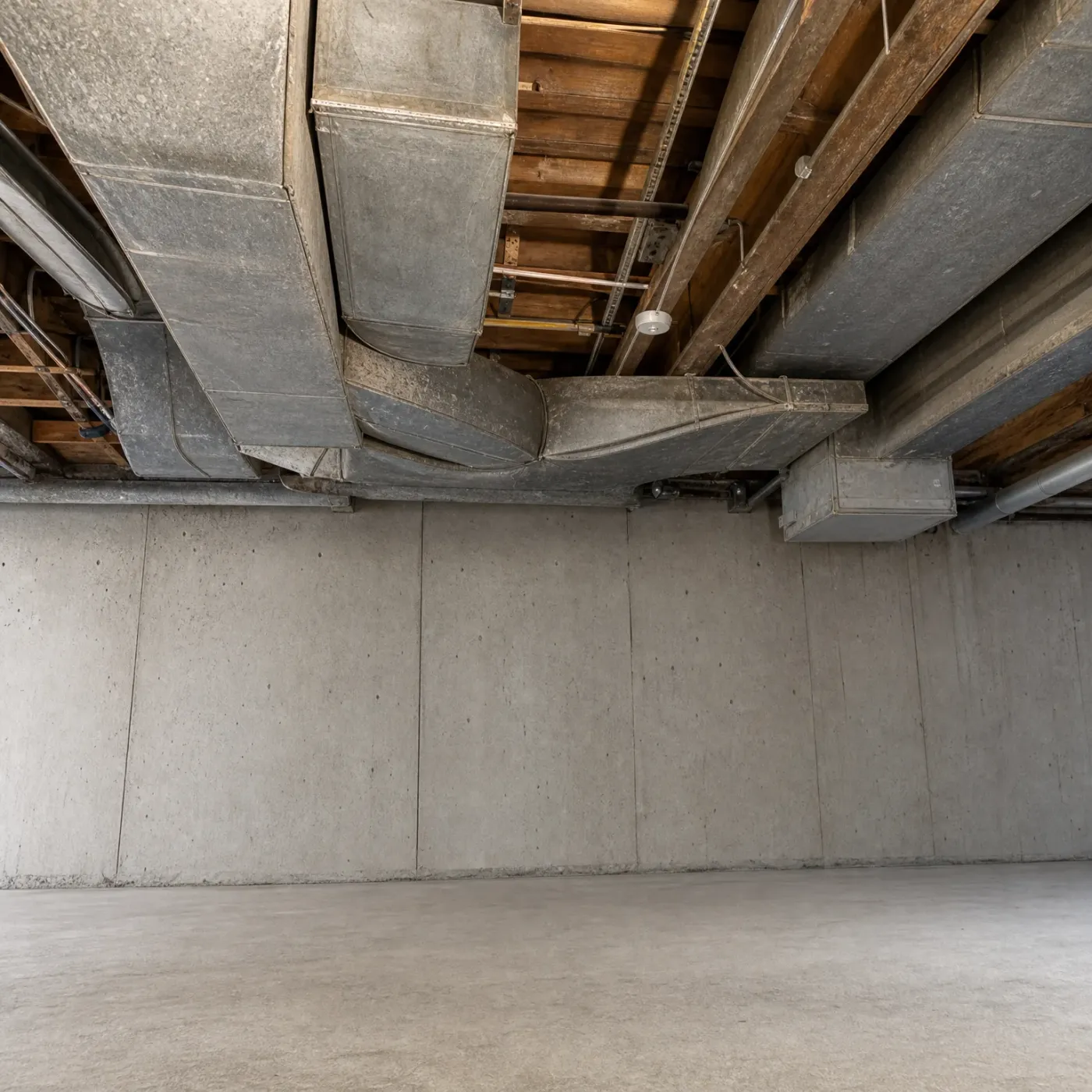
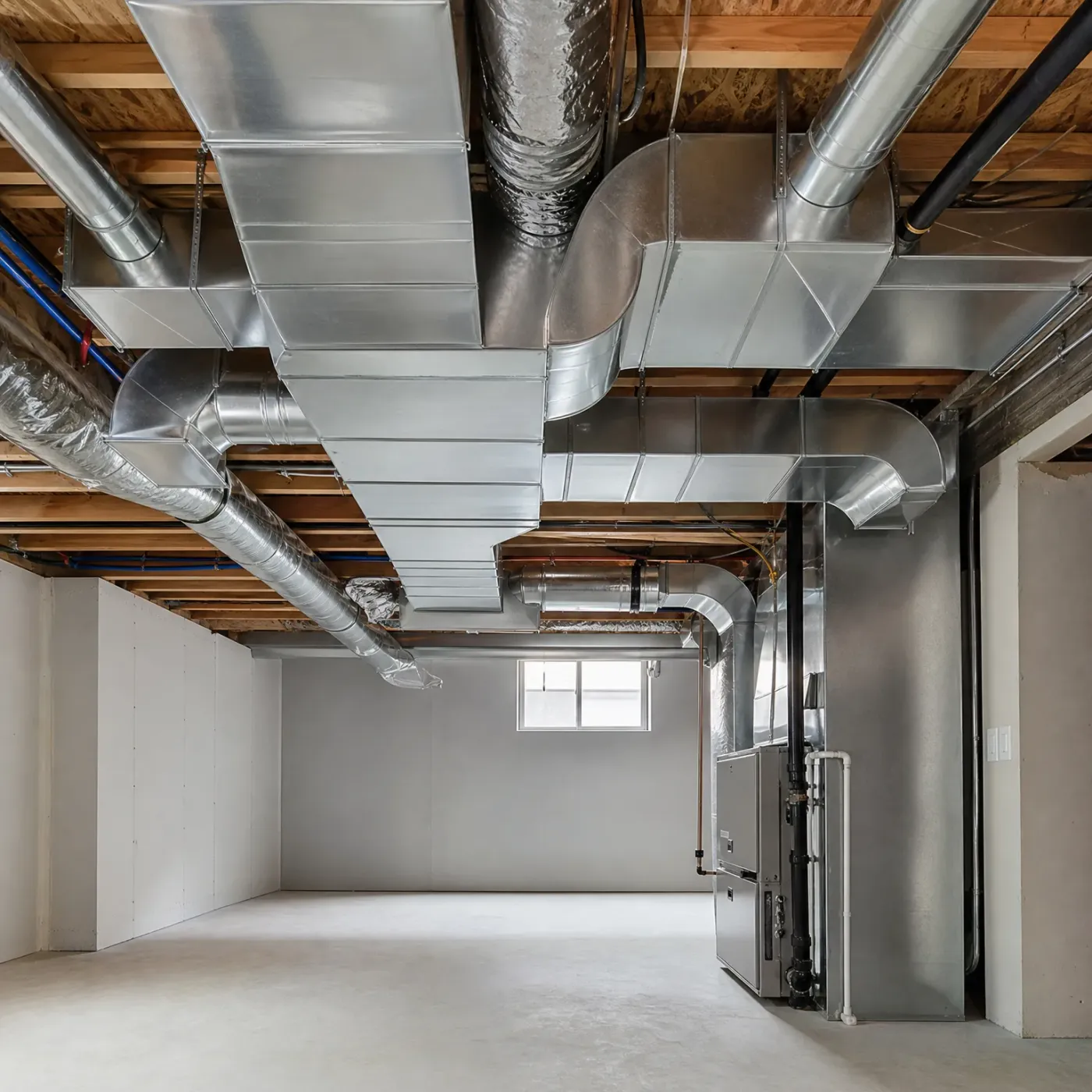
A technician starts with a camera, not a vacuum, looking through the supply and return runs before deciding the job is worth doing. If the ducts come back clean, that's the answer, and you've saved yourself the cost. When there's buildup, the crew hooks a vacuum collection system to the trunk line and works a brush or air whip through each run to knock debris loose so it gets pulled out instead of pushed further into the system. Every register gets done, supply and return both, along with the plenum, because any section skipped just reseeds the rest. The furnace blower and coil are part of the job too. They sit right in the airflow and collect as much as the ducts do. If the camera turns up mold instead of plain dust, that's a different problem, pointing to moisture somewhere in the system rather than dander or dust alone. A good crew also seals any gaps they find in the ductwork while they're in there, so the duct system stops pulling in dust from the attic or crawlspace once the cleaning is done.
How a real cleaning works
- A technician inspects the supply and return runs with a camera before touching anything, since clean ducts don't need the service.
- Cleaning uses a vacuum collection system attached to the trunk line while a brush or air whip knocks debris loose from each run.
- Every supply and return register gets cleaned, along with the plenum, since skipping sections leaves a path for dust to recirculate.
- The furnace blower and coil often hold as much dust as the ducts themselves, and a thorough job includes both.
- If mold shows up in the ducts, that points to moisture somewhere in the system, not just dust buildup.
- Sealing any gaps found in the ductwork during the job keeps outside dust and attic or crawlspace air from getting pulled back in.




Skip the search

Your request goes to one pro, not a list of companies.
It costs nothing to send, and you don't have to hire anyone.
What stays behind after a filter
A furnace filter catches what passes through it, but duct runs have joints, seams and long horizontal stretches where dust and pet hair settle out of the airflow instead of reaching the filter at all. Gas furnaces here run from fall through spring, and that long stretch of daily cycling is what pushes settled dust back into the air you breathe. A camera inspection before cleaning shows whether that buildup is actually there. If the ducts look clean on camera, the allergy symptoms are coming from somewhere else in the house, and cleaning them won't change anything.
Why the whole system gets cleaned
A vacuum collection system attached to the trunk line pulls negative pressure through the entire duct run while a brush or air whip knocks debris loose at each section, register by register. That matters because dust loosened in one branch and left behind would just get pulled into the next room's supply instead of leaving the house. Mold is the other reason to do the whole system rather than a few registers. South Dakota summers run warm but not humid, so duct mold here is less likely than in muggier places, but it still shows up around condensation points near the air conditioner coil.
Power costs 13.32 cents per kilowatt-hour statewide
At 13.32 cents a kilowatt-hour, running the furnace blower longer than it needs to doesn't cost much here. That's worth knowing before you clean ducts for the bill and not the dust. Do it because of what's settled in those runs, not to shave pennies off power you already pay little for.
EIA-861 2025 statewide residential average



So does it help?
If what's bothering you is dust and pet hair sitting in those duct runs, cleaning them out will help. If it's pollen coming in through an open window or dander on the couch, it won't, and no amount of brushing the trunk line will change that. The camera inspection tells you which one you're dealing with before anyone touches your system.
Finding someone to do this right in South Dakota usually means calling around, asking each one what they actually inspect before they quote you, and hoping you're not describing your furnace to a third stranger by Friday. A local technician who services this equipment every season already knows what to check and what it means when they find it. Send one request and you're matched with one licensed contractor, not a stack of callbacks to sort through.


Ductwork Cleaning
Explain it one time

- Your duct cleaning request goes to a local pro who does this work.
- Describe your ductwork job, and a local pro who handles it gets in touch.

- Send the form and the duct cleaning stops sitting on your list.
- Send the request and finding a pro stops being your problem.

- One form replaces the calls you'd make to find a duct system pro.
- Skip calling around for someone who cleans ducts.

- Only one pro gets your request, so you hear from one company.
- Your request stays with one local pro.