Most homes in South Dakota don't need duct cleaning on a set schedule. Every three to five years is reasonable for a typical house, sooner if you've had construction work done, a water leak, or if someone in the house has allergies that flare up indoors. If no one's had work done on the ducts and nothing's changed, there's no reason to rush into it.
Your gas furnace runs hard through the winter, and that system is moving the same air through the same ducts all season. Dust, pet hair, and whatever gets tracked in settles in the ductwork and gets pushed back into the house every time the furnace kicks on. Warm, dry summers here don't put much extra load on things one way or the other, but they don't clean the ducts out either.
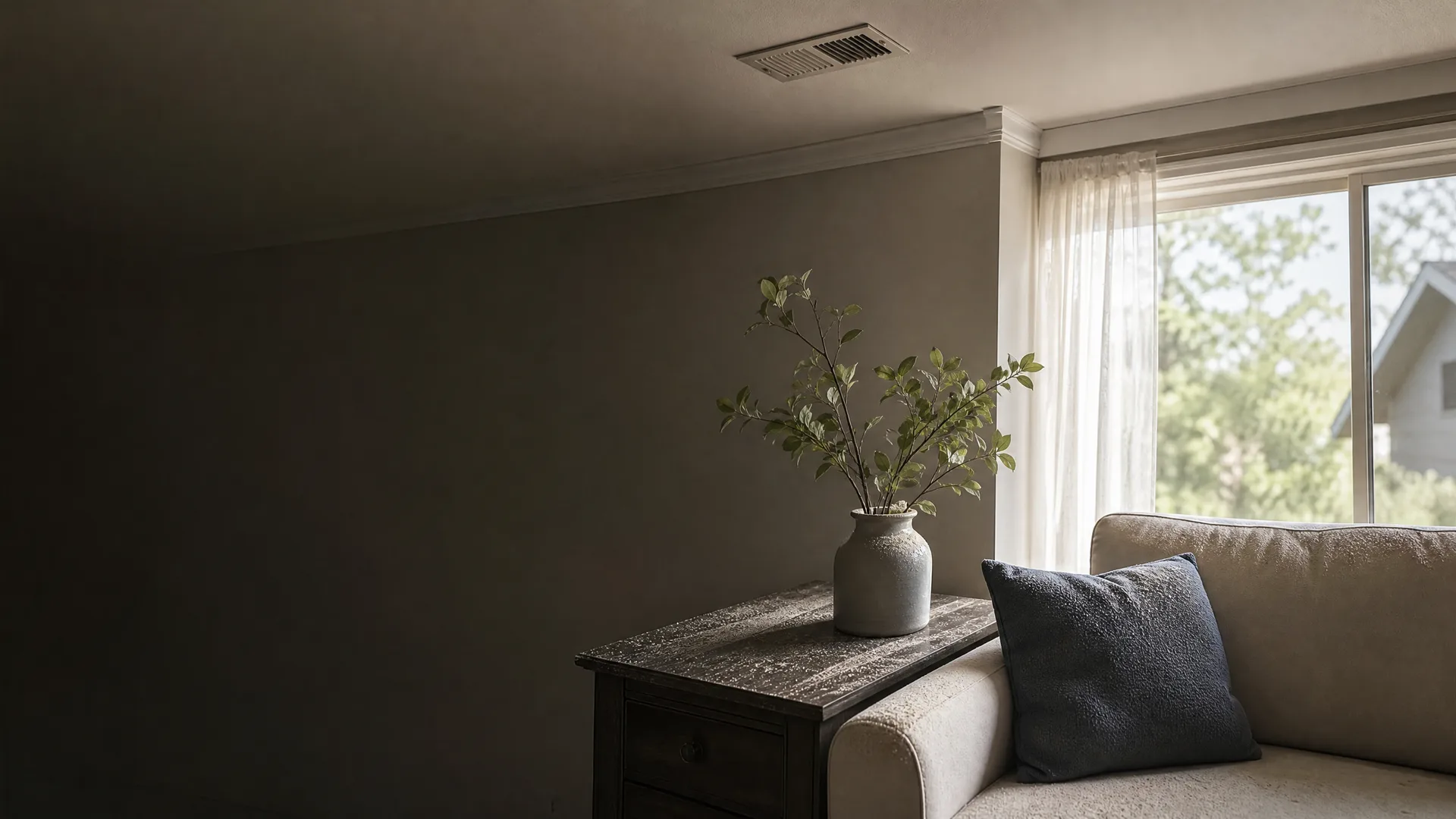
If you've noticed more dust settling on surfaces than usual, or the air feels harder to keep clean no matter how often you dust, that's worth a look. So is a musty smell coming from the vents, or noticing it's been years since anyone's checked what's built up in there.
Finding someone qualified to do this right usually means a string of phone calls: checking who's licensed, asking what their process actually involves, getting a few quotes, explaining your situation over and over to each one. That part is tedious, and it's the part that keeps people putting the job off long after they've decided it needs doing.
Send the form on this page and that search is over. You won't be the one tracking down contractors or sorting through quotes. That work moves off your plate, and what's left is a straightforward decision once someone reaches out.
Most homes in South Dakota do fine with duct cleaning every three to five years. Dust and pet hair settle in the ducts slowly, and with gas heat running the system hard all winter, that buildup gets pushed through the house every time the furnace kicks on. A few things move that timeline up. If you've had remodeling work done, if a pipe or roof leak sent water into the ductwork, or if someone in the house has allergies that act up indoors more than they should, get it checked sooner rather than waiting out the full five years. Mild summers here mean the AC isn't straining the system the other half of the year, so the furnace does most of the work moving air through those ducts. Catching buildup early is cheaper and simpler than waiting until it's an obvious problem, which is the same instinct that's worth applying here.
Ducts running clean push warm air through the house all winter without spreading dust along with it.
Dust built up in the ducts rides every blast of furnace air into the rooms you spend winter in.
The furnace had been off for weeks by the time the April sun started coming in low through the living room window. You noticed it on the ceiling vent grille first, a soft gray line along the slats, then on the end table underneath where it had already settled again a day after you wiped it down. You'd dusted that table Tuesday. It was worse by Friday. The couch cushions near the vent had the same fine coat. Nothing had changed in the house, no project, no leak, just a winter of gas heat pushing air through the same ducts and finally slowing down enough for you to notice what had been riding along with it the whole time.
A furnace that runs all winter pushes a lot of air through the same ducts, year after year, and most homeowners here don't think about what's riding along with it until the vents start showing it. Figuring out whether what you're looking at is normal dust or enough to act on takes a second set of eyes, and so does finding someone who'll actually show up and do the cleaning right. Left on your own, that means searching for duct cleaners, calling a few, explaining what you've noticed in the house more than once, then sitting with quotes trying to guess which one is fair. None of that gets the dust out of your vents any faster. Sending the request here means someone else is doing that legwork, not you, and the only thing left on your end is answering when a contractor gets in touch. With gas heat running hard once the cold sets in, that's one less thing sitting on your list before winter gets here.
Why gas heat matters here
A gas furnace moves a lot of air. Every cycle pulls air through the return duct, across the filter, and back out through the supply side into every room. Over a South Dakota winter that's months of near-constant air movement, far more than a summer-only AC system would see. Whatever is sitting in the ductwork, dust, pet hair, drywall dust from a remodel, gets carried along with it. The filter catches some of that, but not what's already settled in the duct runs themselves. That's the buildup a cleaning removes.
What a clean duct system does
Clean ducts just move air. They don't add anything to it or take anything away. That's the baseline a system should work from, and it's why three to five years holds up for most houses here. The ducts aren't working harder or cooling better when they're clean, they're just not contributing dust and debris to the air already being pushed through them. If allergies flare up more indoors than outside, or a vent grille is showing buildup, that's the system telling you it's drifted from that baseline.
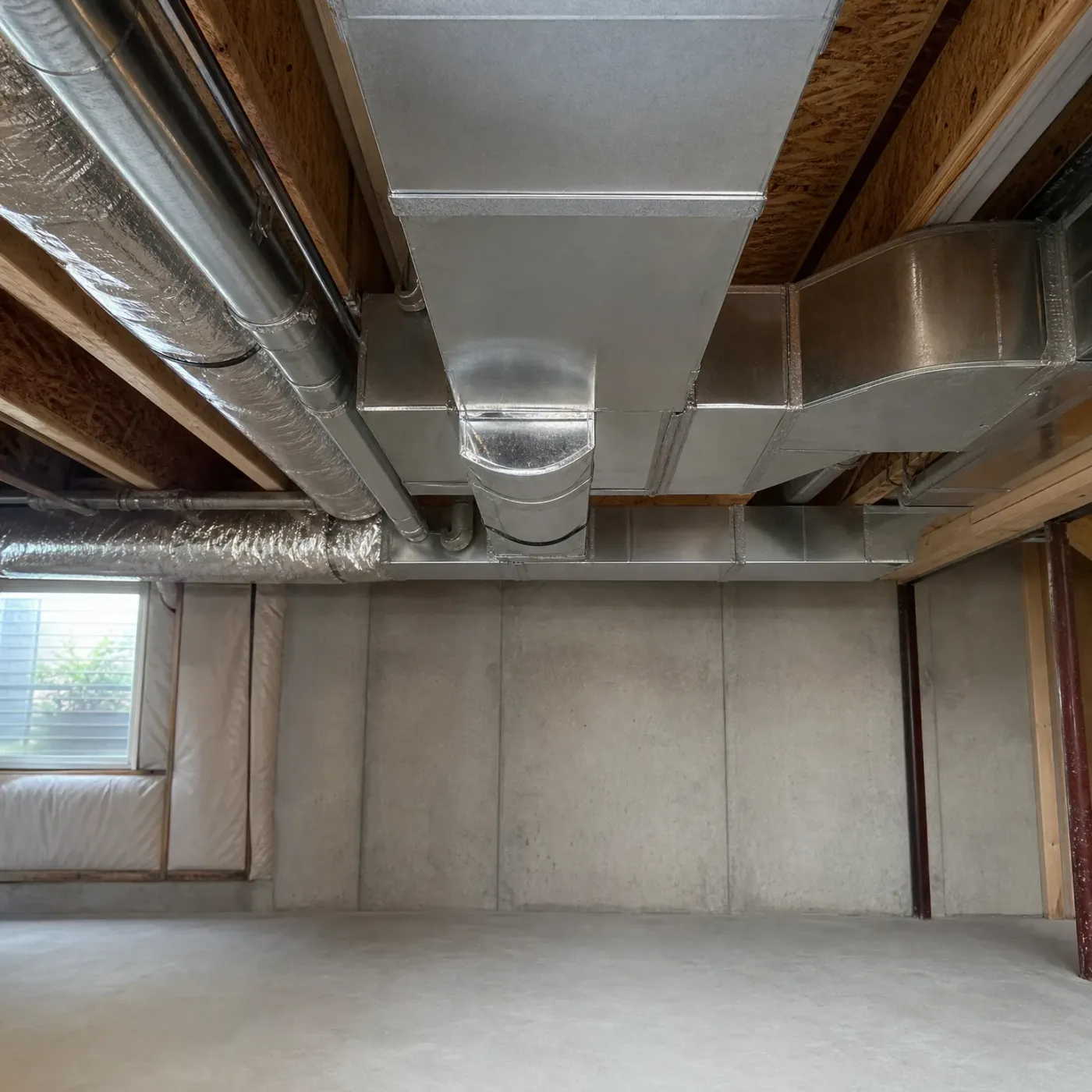
Ducts doing their job
This is what a duct system looks like when it just needs the three to five year schedule. Metal trunk lines run tight across the joists, carrying furnace air to every room without dumping dust back into the house along the way.
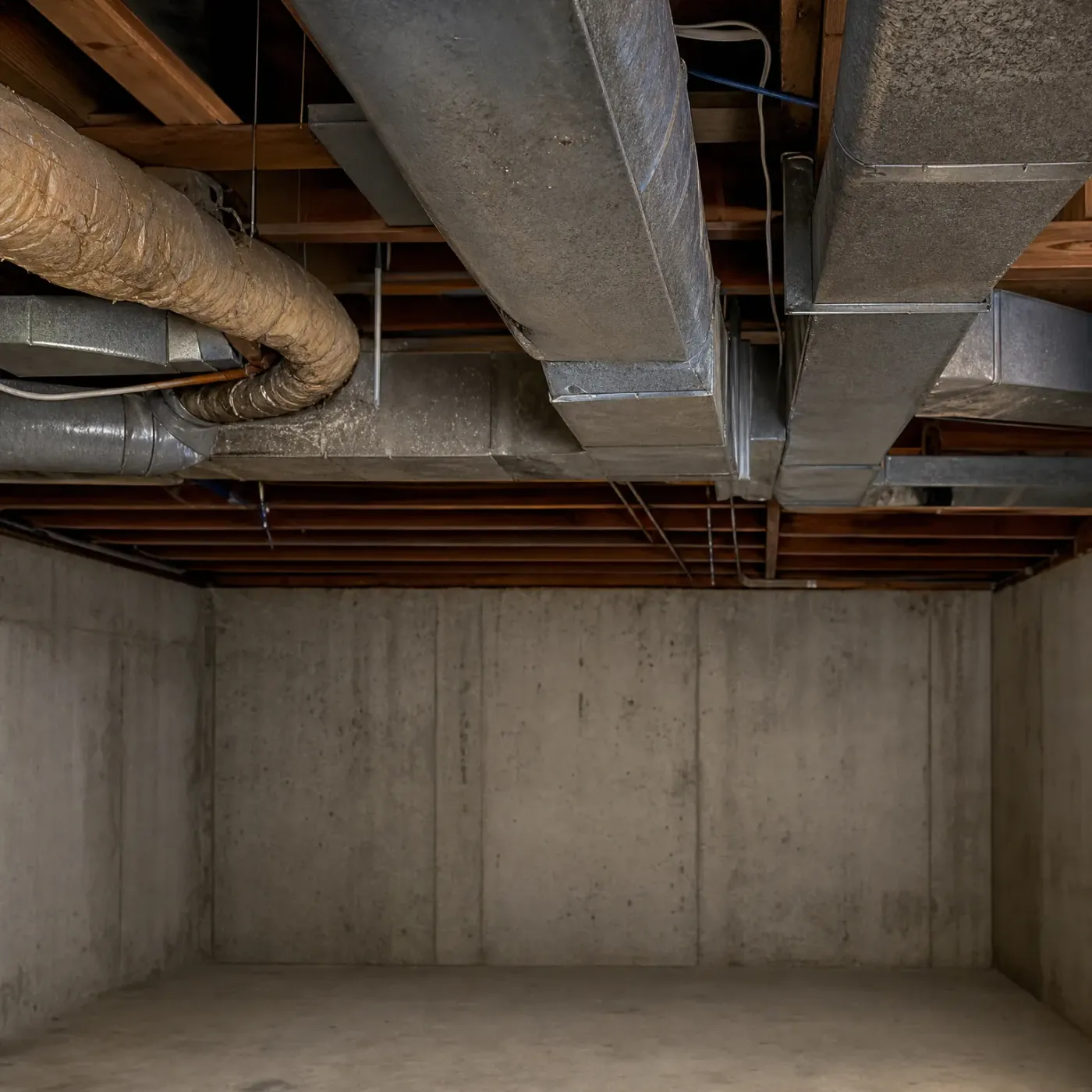
Ducts that need a closer look
Flex duct sagging between joists, wiring run alongside, sections that look patched together over the years. A setup like this is worth having checked sooner, since bends and loose connections are where dust and debris tend to collect and get pushed back out through the vents.
Power costs 13.32 cents per kilowatt-hour statewide
At 13.32 cents per kilowatt-hour, the furnace fan is the cheap part of winter here. That's worth knowing before you put off a duct cleaning to save money, because the fan isn't what runs up a bill. Dirty ducts just mean you're paying to move dust along with the heat.
EIA-861 2025 statewide residential average
Your Duct Cleaning Schedule, Settled
Every three to five years covers most South Dakota homes, with gas heat as the main reason dust and hair keep building up in the ducts.
Construction work, a water leak, or allergies flaring up indoors are reasons to clean sooner than the usual schedule.
A soft gray line on the vent grille or dust settling on furniture nearby points to ducts that need attention now, not later.
Clean ducts push warm air through the house all winter without carrying dust into the rooms you spend time in.
The furnace fan itself runs cheap at 13.32 cents per kilowatt-hour, so the cost of skipping a cleaning isn't on the power bill.
Checking the ducts once in a while catches the buildup before it turns into a bigger problem.
Three to five years is the answer for most houses in South Dakota. Gas heat is why. A furnace that runs hard all winter moves air through the same ducts for months straight, and whatever settles in there rides along with it. That's the baseline. It moves up if you've had construction dust in the house, a water leak, or allergies that get worse indoors than out. Those aren't schedule problems, they're signs the ducts need a look now.
You don't need to guess at this. A gray line on the vent grille, dust collecting on the furniture underneath it, those are the ducts telling you what's going on inside them. Catching that early is the difference between a cleaning and a bigger repair down the line, which matters more than the schedule itself if you're someone who deals with small problems before they grow.
The power bill isn't the thing to watch. At 13.32 cents per kilowatt-hour, running the fan costs little no matter what. Clean ducts matter because of what they carry, not what they cost to run. A house with clean ducts gets warm air all winter and nothing else. A house overdue for a cleaning gets the same warm air with months of dust riding along with it, into the rooms where you spend that winter.
Ductwork Cleaning
Let someone else find the pro
Answer a few questions about the duct cleaning and skip the search.