A local pro who services furnaces gets in touch about the tune-up.
You turn on the furnace this fall and within a day there's a film on the TV screen, the end tables, the floor by the vents. It feels like the house got dustier the minute the heat came on, and that's because it did.
A furnace that's been sitting since spring collects dust in the blower compartment and along the duct runs closest to it. The first few cycles of the season push that loose dust straight into the air before anything settles back down. If it keeps up past the first week or two, the cause is usually something that needs a hand to fix, not time: a dirty blower wheel, a filter that's too loose or too thin for the return, or ductwork that's pulling air from a crawlspace or attic instead of the room you're heating.
Figuring out which one it is means someone looking at your actual furnace and your actual ducts. That's not a guess you can make from a search result, and it's not something you want to spend your weekend calling around about, explaining the same dusty-house story to three different shops before one of them even has time to come out.
South Dakota winters run long, and most homes here heat with gas, which means this furnace is going to run hard from here through spring. Whatever is pushing dust into the air now will keep doing it every time the blower kicks on. Regular maintenance catches the blower wheel and the duct connections before they turn into a bigger mess, and it's a lot easier to deal with before the snow is on the ground than in the middle of a January cold snap.
Tell us a bit about your furnace and your house, and you'll be matched with a contractor who handles maintenance calls like this in your area. They'll reach out to you directly, so there's no more hunting through listings or sitting on hold trying to get someone on the phone.
Dust blowing from your vents usually means the furnace is pushing air through a dirty filter or stirring up what settled in the ductwork over the summer. Every home collects dust in the ducts when the system sits idle, and the first weeks of heating here, once the furnace kicks on for good through the cold months, push that dust straight into the rooms you live in. A clogged filter makes it worse, since air forced around the edges of a dirty filter carries more dust with it than air that passes through a clean one. Loose duct connections can add to it too, especially if the ducts run through a dusty crawlspace or attic. None of this means the furnace is broken. It means it needs a look: the filter changed, the ducts checked, the blower inspected so what it pushes through your house all winter is air, not dust.
Filter and ducts clean
A furnace running clean pulls air through a fresh filter and into ductwork that isn't holding onto anything from last season. The air coming out the vents matches the air going in. No film on the TV screen, no haze on the end tables within a day of the first cold snap.
Filter clogged, ducts loaded
A furnace like this has likely been running on a filter that's past its use, so it's pushing air around a clogged spot instead of through it. The gaps let dust through, and whatever settled in the ducts over the summer rides along with every cycle of warm air into your rooms.
What that dust is doing to your house
Once the dust is in the air, it lands everywhere the furnace pushes air to. The vents nearest the bedrooms get it, the ones in the basement get it, and if you run a humidifier off the furnace, that dust gets distributed right along with the moisture. You end up dusting shelves you just dusted, and wiping down the same end table twice a week instead of once.
It also means the furnace is working harder than it should. A dirty filter or ducts holding onto last year's buildup restrict the air moving through the system, and that shows up on the gas bill before it shows up anywhere else. If nobody's looked at the filter, the blower, or the ductwork in a while, you're guessing at what's actually going on in there. A contractor who services furnaces in your area can look at the specific setup in your house and tell you what's causing it, instead of you working through it filter by filter on your own.
You're down in the basement on an October afternoon, flashlight in one hand, the other pulling the filter the rest of the way out of its slot. It comes out grey, matted, heavier than it should be. You hold it up to the light from the furnace room bulb and can't see through it at all. The blower's been running since you flipped the heat on last week, and you can hear it kick on again somewhere above you. You set the filter down on top of the furnace and stand there a second, thinking about who you'd even call for this, whether it's a furnace problem or just a filter you forgot to change, and whether one visit could sort out both.
Asking costs nothing, and the choice to hire stays yours.
What a dirty filter does
A filter that's loaded up with dust doesn't stop the air, it stops cleaning it. Air finds the gaps around the clogged spots and carries dust straight through into the ductwork and out the vents. The furnace doesn't know the filter is dirty. It keeps pushing the same volume of air whether the filter is new or six months old, so nothing in the system slows down to warn you. The only sign is what shows up on the furniture.
Why the first weeks matter most
Your ductwork sits untouched from April or May until the thermostat gets switched over to heat in the fall. Whatever settled on the inside walls of those ducts over that stretch gets picked up the moment air starts moving again. That's why the dust shows up hard and fast in the first weeks of the season and tends to taper off after, once the loose stuff has worked its way out and landed on your end tables instead.
Winter nights average 11°F statewide
At 11 below on an average winter night, your furnace is running long stretches to keep up. That's more air pushed through the filter and ducts every day, so whatever dust is already in there gets carried into the house faster than it would somewhere milder.
NOAA nClimDiv 1991-2020 county normals weighted by homes
Handling it yourself
You can pull the filter every month and check it against the light. You can track down a filter size that's out of stock, find a weekend to vacuum the supply registers, and get someone out to look at the ductwork if the dust keeps coming back after the filter's been changed. Each of those is one more call, one more trip, one more thing on the list before the furnace runs clean again.
Having it looked after
A contractor matched to your house takes the filter checks and the duct questions off your plate. You stop calling around for someone who'll show up, stop re-explaining the grey film on the end tables to a new person each time, and stop sorting through quotes to find someone who'll actually do the work. The dust still has to be dealt with. Finding who deals with it doesn't.
What am I going to find if I check right now
Go look at the supply vents in the rooms you use most. You'll likely see grey fuzz collecting on the grille itself, and a line of dust on the wall or carpet just below it where the air hits and drops what it's carrying. Run a finger along the top of a door frame or a picture frame in a room with a vent nearby and check it against a room that doesn't have one. The furnace room itself tends to show it worst, since that's the air closest to the source. If anyone in the house has allergies or asthma, this is usually the stretch where it flares up, since they're breathing whatever the furnace is moving before it has a chance to settle.
1
Return air pulls dust and debris into the filter first
2
A clogged or ill-fitting filter lets dust pass instead of catching it
3
The blower pushes that dust through the duct runs to every room
4
Dust settles out at each supply vent where the air slows down
Before you get your furnace maintenanceAfter you get your furnace maintenance
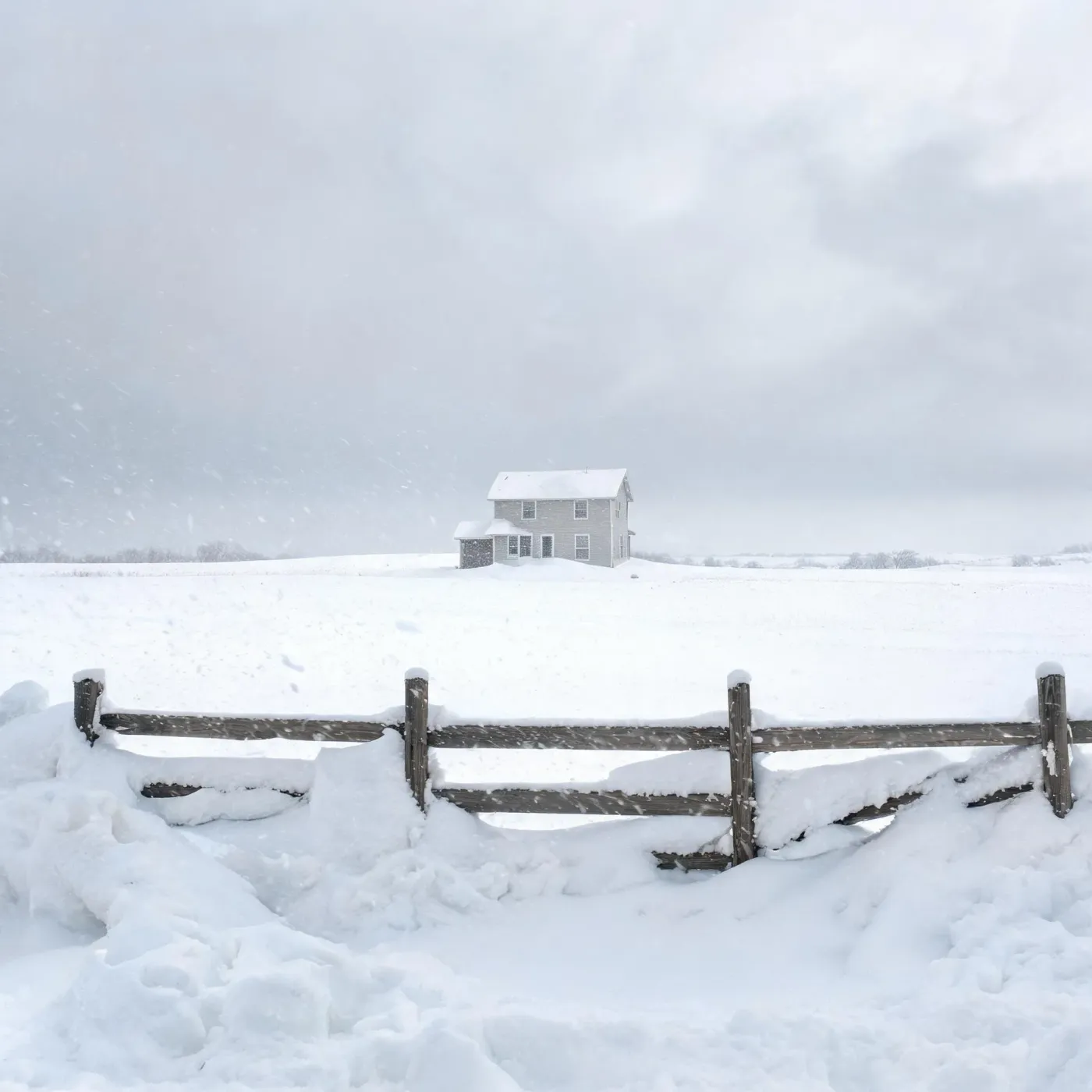
Winter nights average 11°F statewide, according to the National Weather Service, and that's the number that decides how hard your furnace works this winter. At that temperature it isn't cycling on for a few minutes and shutting off. It's running long stretches to hold the house at 68, which means more air pushed through the filter and ducts, day after day. Any dust already sitting in those ducts from summer moves faster into the rooms you live in. A filter that's starting to clog has less of a chance to catch it before the blower sends it out the vents. That's why the film on the TV screen or the end tables tends to show up quick once the cold settles in for good.
NOAA nClimDiv 1991-2020 county normals weighted by homes
New furnace, clean ducts, no history of dust yet to stir up when the heat kicks on.
This one's been sitting in a dusty basement for years, and it's about to push that into your rooms.
Where this leaves your furnace
Dust blowing from your vents comes down to a dirty filter or a duct system that sat idle since spring.
A furnace running clean moves the same air back out the vents it pulled in, with nothing extra riding along.
Checking the supply vents in your main rooms right now tells you whether this is already happening in your house.
Keeping up with it yourself means pulling the filter monthly, hunting down the right size when it's out of stock, and vacuuming registers by hand.
Below zero, your furnace runs long stretches most nights, so whatever's loose in the ducts moves through the house faster.
A technician who checks the filter fit and clears what's settled in the ducts stops the dust before it spreads to every room.
The dust started for a reason. Either the filter isn't catching what it should, or the ducts are still holding onto what settled there since spring, and the first cold stretch is pushing it loose. Neither one fixes itself. The filter keeps letting air past the clogged spots until someone swaps it for the right size, and the ducts keep shedding dust into the rooms until someone clears them out. You can keep after it on your own. That means pulling the filter every month, tracking one down when the size you need isn't on the shelf, and vacuuming out the registers by hand when the dust keeps coming back anyway. Some winters that's manageable. Most winters here, with the furnace running long stretches on the cold nights, it falls behind. A technician looks at both halves of the problem at once, the filter and the ductwork, instead of you guessing which one is to blame this time. That's the difference between chasing the dust room by room all winter and having someone check the whole system once and tell you what's actually going on. You don't have to track down who does this kind of work or call around explaining the same thing twice. A contractor who handles furnace maintenance in South Dakota gets matched to what you're dealing with and reaches out from there.