Profile view of a bearded man wearing a dark baseball cap and a dark gray T-shirt against a plain off-white background.

Birds nesting in a dryer vent in South Dakota

Duct and vent cleaningSouth Dakota
Step 1 of 3

What kind of equipment?

A bird in your dryer vent usually means a house sparrow or starling found the hood flap easier to push open than it looks, and built a nest just inside the duct. Spring is when it happens most, while birds are looking for a tight, warm, sheltered spot to raise a brood, and a dryer vent gives them all three. Once that nest is in there, lint and feathers and twigs start blocking the airway, so your dryer has to push exhaust through a duct that is partly or fully closed off. You'll notice longer dry times, a hot smell, or the vent hood flap barely moving when the dryer runs. It also means the moist, lint-filled air your dryer pushes out has nowhere to go but back into the duct, which is how lint fires start. Clearing the nest and the lint behind it is the only way to get full airflow back.

A smiling man with dark curly hair in a dark green henley shirt sits on a light sofa in a living room with large windows, a lamp, shelving, a stone fireplace, and a bowl of popcorn in the foreground.
A smiling man in a dark long-sleeved henley shirt sits on a beige sofa in a living room, with a bowl of popcorn and a remote on the table in the foreground and shelves, a lamp, and a doorway behind him.
A smiling man with graying hair and stubble in a blue henley shirt sits on a gray sofa with cushions in a living room, with a bowl of popcorn on a wooden table in the foreground.
A smiling man in a dark green long-sleeve shirt reclines on a sofa in a dimly lit living room, with a bowl of popcorn on a side table in the foreground and a bookshelf, lamp, and houseplant behind him.

Why the lint matters here

Dryer lint burns fast and a bird's nest is mostly dry grass and feathers packed against a heat source. Every load you run pushes warm, moist air through that duct, and if a nest is blocking it, the lint that would normally blow outside starts collecting right at the clog. Gas dryers push out warm air every time they run, all year, so the duct is never really idle long enough for the risk to pass on its own.


What a blocked vent does to drying

A duct that can't vent properly makes the dryer work harder to push air through, so clothes come out damp after a normal cycle and the machine runs longer to finish the job. You might notice the vent hood outside barely moves air when you hold your hand near it, or the laundry room gets warmer than usual while it's running. That extra runtime adds to your power use, even with rates as low as they are here.

Power costs 13.32 cents per kilowatt-hour statewide

A blocked vent makes your dryer run longer to finish the same load, and at 13.32 cents per kilowatt-hour that extra time shows up on your bill every single load. Clearing the nest is what gets the drying time back down.

EIA-861 2025 statewide residential average

A nest you can reach yourself

If the hood is low on the wall and you can see the nest from outside, you can pull out what's reachable by hand and check that the flap swings freely again. That clears the blockage at the opening, but it doesn't tell you what's packed further back in the duct, and a dryer vent often runs ten feet or more before it ties into the wall. Lint builds up along that whole run even without a bird involved. Pulling the visible nest out front gets the flap moving, but the duct still needs to be checked end to end before you run a full load through it.

A nest further back in the duct

If the hood looks clear but the dryer is still taking two or three cycles to dry a load, the nest may sit further down the duct where you can't reach it or see it. That takes a brush and rod run from both ends, or a camera to find exactly where it's packed in. It's the same job either way, clearing the duct so air moves freely again, but a nest you can't reach is a cleaning job, not a five-minute fix with a flashlight. A local contractor who works on vents through a South Dakota spring knows where birds tend to pack a nest in and checks that spot first.

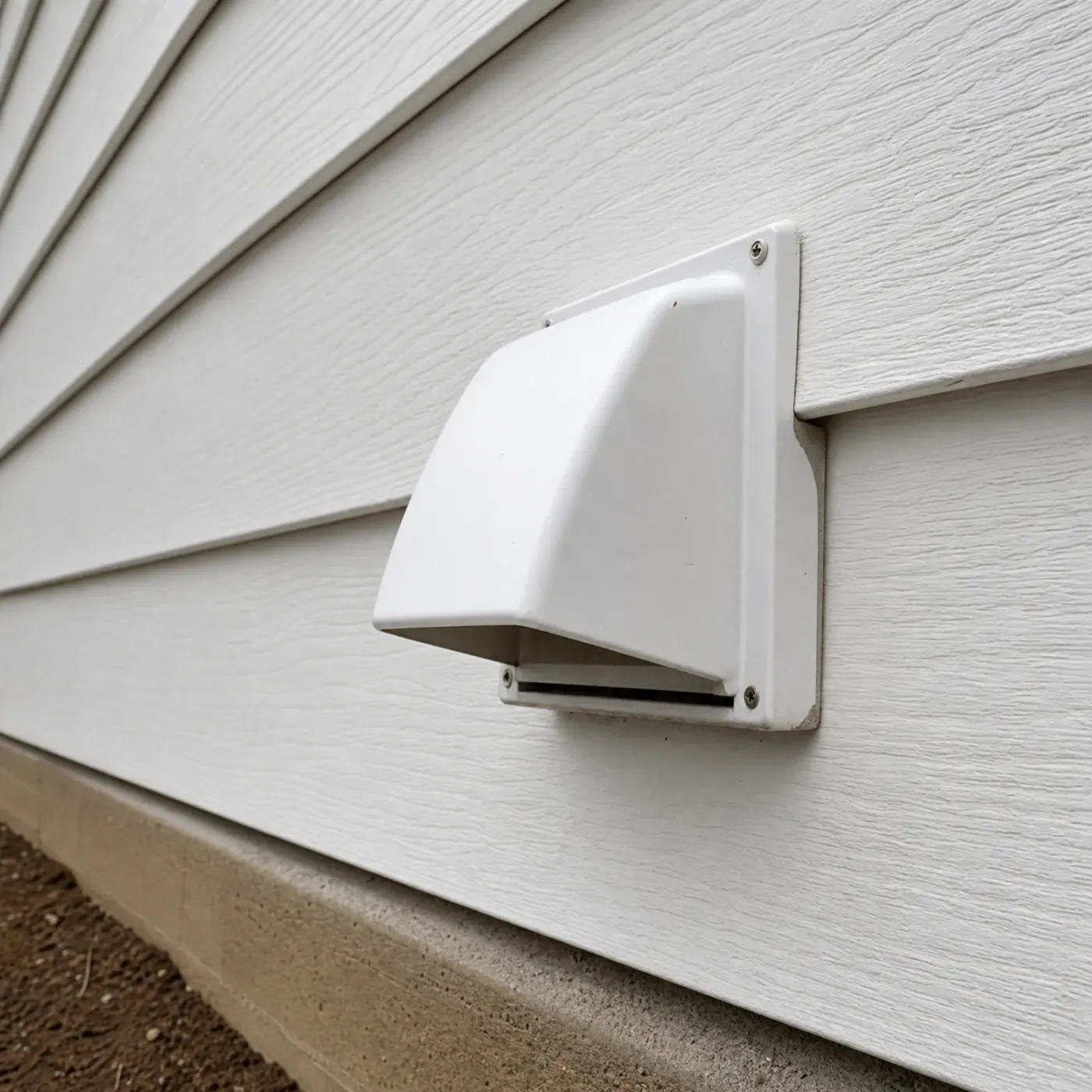
A white plastic hooded dryer vent with a louvered grille mounted on horizontal vinyl siding above a textured concrete foundation wall.
Before you get your dryer vent cleaning
A white plastic hooded dryer vent with a mesh screen, fastened by four screws to beige horizontal lap siding above a concrete foundation wall.
After you get your dryer vent cleaning
A white hooded dryer vent cover screwed to white lap siding above a concrete foundation and bare soil.

Stop chasing a dryer vent pro

Your dryer vent cleaning request goes to one local pro.

Send the request and finding a pro stops being your problem.

Find a licensed pro

No charge to send it. You decide if you hire them.

Why is your dryer taking two or three cycles to dry?

A towel load that used to finish in one cycle now needs two or three, and the top of the dryer feels hotter than usual while it runs. You might catch a musty, almost barnyard smell when the dryer kicks on, especially a few minutes in once the duct warms up. Some homes notice scratching or chirping near the wall where the vent runs, loudest in the early morning. Lint that used to collect in the trap starts building up in the hose instead, which is where it can scorch. A dryer working that hard to push air past a nest is also putting more hours a year on the heating element and the motor than it would otherwise.

A pile of brown and cream towels sits on top of a white dryer in a dim room, with a wooden wall cabinet and a bright window at right.

It's past eight and you're still in the laundry room because the towels won't quit. You pull them out damp again, third time tonight, and pile them on top of the dryer to deal with later. The machine is still warm on top, warmer than it should be. Outside it's a mild South Dakota evening, the kind where you'd rather be anywhere else, but here you are listening to the dryer run another cycle for a load that should've been folded an hour ago. You crack the laundry room window for some air. Somewhere behind the wall, in that vent, something is making your dryer work a lot harder than it used to.

Clear The Hood Or Clear The Duct

Clear it yourself

  • You can pull loose nesting material from the hood if it's within reach and the ladder work is something you're comfortable doing.
  • A flashlight and a gloved hand will tell you if the flap is blocked at the opening, but not what's built up further back in the duct.
  • Birds often return to the same hood the following spring, so clearing it once doesn't mean it stays clear.
  • You won't know how much lint has packed in behind the nest, since most of the duct run is out of sight inside the wall.
  • Any leftover feathers or grass past the first foot or two of duct stay there until something pushes them the rest of the way through.

Have it cleaned

  • A contractor who works dryer vents all season in South Dakota has pulled nests out of hoods like yours before and knows where they tend to pack in.
  • Cleaning runs the full length of the duct, not just what's visible from the hood, so lint caked behind the nest comes out too.
  • You get one licensed, local contractor on the job, not a handful of companies calling about the same request.
  • A full cleaning checks the flap, the duct run, and the connection at the back of the dryer, which tells you more than a visual check from outside.
  • Once it's done you know the duct is actually clear, not just clear at the opening.
A woman with dark hair in a bun reclines on a gray sofa with her eyes closed and a slight smile, wrapped in a cream knit sweater and blanket, with an open book resting in the foreground and a lit lamp in the dim room behind.
A smiling bearded man in a dark crewneck sweater sits at a dinner table with a lit candle, glasses of wine and water, and plates of food in the foreground, with a lamp, framed art and a potted plant behind him.

Clearing the vent for good

  • A nest in the duct is a solid blockage, not a minor one, and it stays until someone pulls it out the full length of the pipe.
  • Running the dryer with the vent blocked keeps pushing heat and moisture into that nest instead of outside.
  • A tech who clears these vents every spring in South Dakota knows the usual spot birds pack a nest and checks the hood flap and the full run while they're at it.
  • You get matched to one local, licensed contractor for this, not a handful of companies calling you back.
  • Once the duct is clear, the dryer goes back to finishing a load in one cycle and the vent stops holding onto heat it shouldn't.

A bird picked your vent because the flap gave way easier than it should have, and once the nest is packed in there, it isn't coming out on its own. The fix is pulling it the full length of the duct, not just what you can reach from outside. Leave it blocked and every load you run keeps feeding that nest heat and moisture instead of pushing it outdoors, which is why towels are taking two or three cycles and the top of the dryer runs hotter than it should.

This is a spring job for a lot of homes in South Dakota, so a tech who works this equipment every season has usually seen the exact spot a sparrow or starling tucks a nest in a hood like yours. They'll check the flap, clear the full run, and make sure nothing's left packed against the back of it. The match you get is one local, licensed contractor, not a string of callbacks from companies bidding against each other.

Once the duct's clear, the dryer goes back to doing what it's built to do. A load finishes in one cycle. The vent stops trapping heat it was never meant to hold onto. The hood flap swings loose again instead of sitting propped open by what's packed behind it. That's the whole fix, and it's one visit to get there.

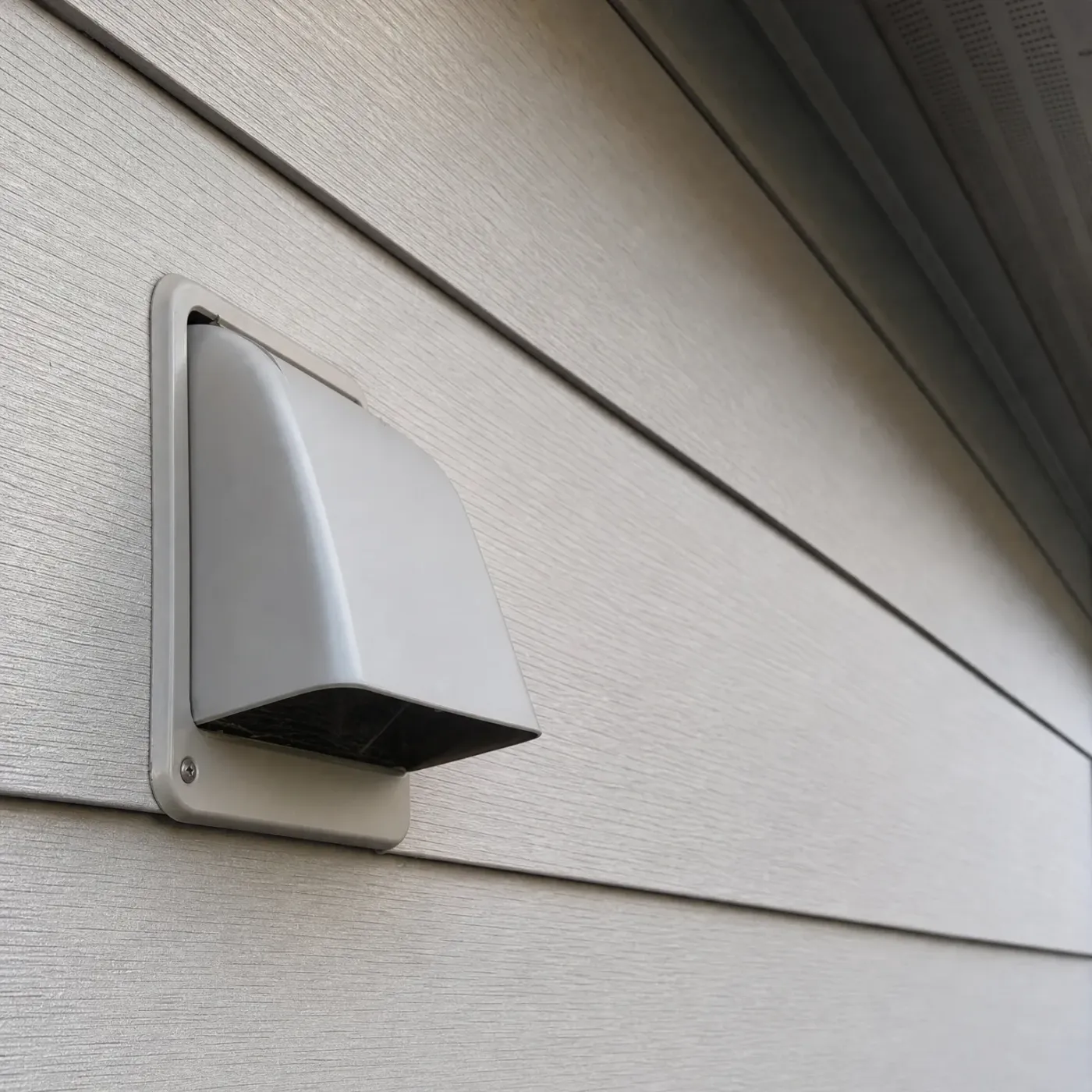
A gray hooded dryer vent cover mounted on light gray horizontal lap siding, viewed at a steep angle.

Send one request and you're done looking

Find a local pro

Your request stays with one local pro.

There's no charge for the request.