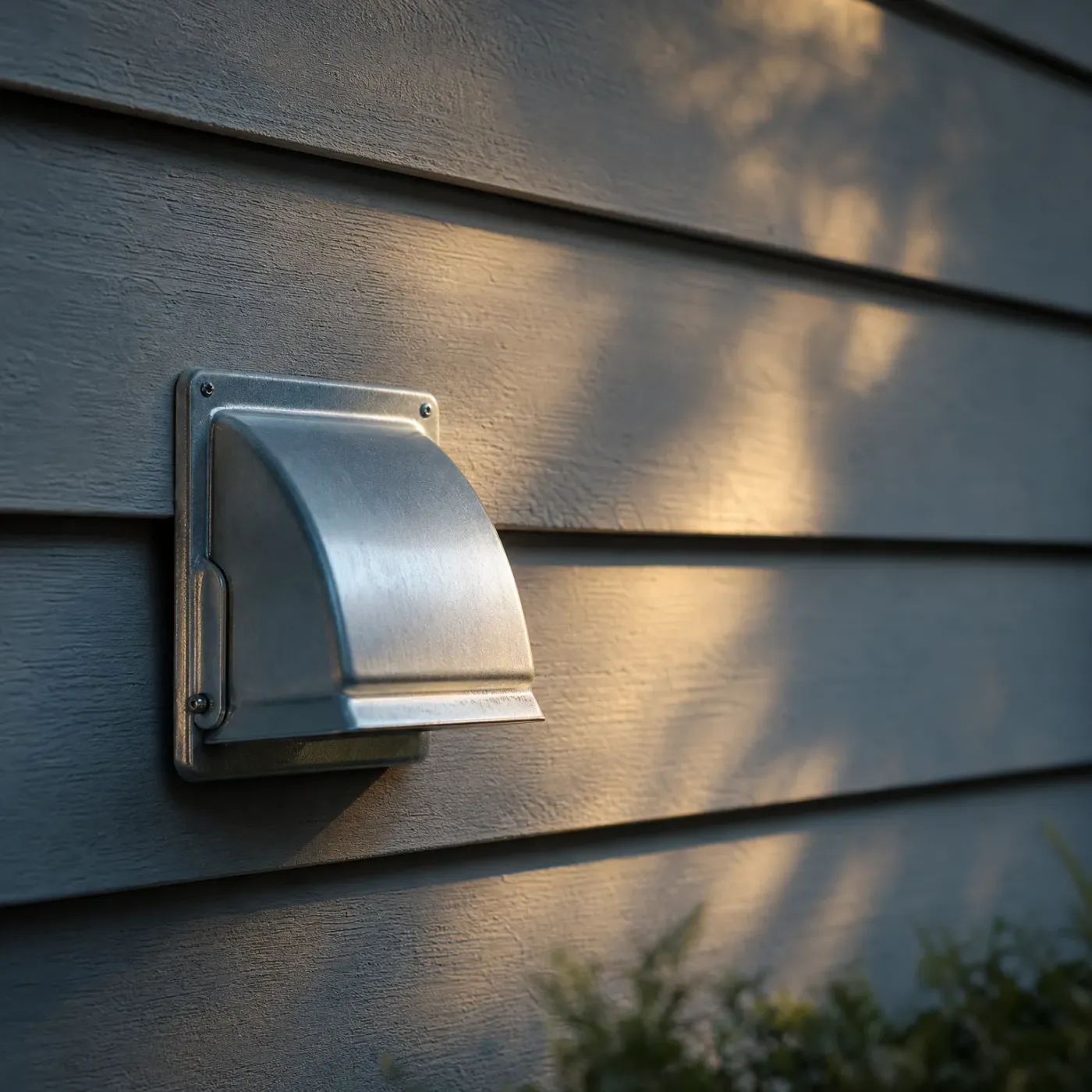
A metal hooded dryer vent cover screwed to gray horizontal lap siding, with warm late-day light and leaf shadows across the wall and green shrubs at the lower right.

Get matched with a dryer vent pro in Lincoln County

Birds nesting in a dryer vent in Harrisburg, SD

Birds in Lincoln County look for small, sheltered openings when spring comes, and a dryer vent hood that won't shut all the way is an easy choice. This page gets into how to tell if that's what's happening, what it does to your dryer in the meantime, and how to get the vent cleared and the hood fixed so it stays out. Once you send the form, finding someone to handle it is off your plate.

Request a pro

A bird in your dryer vent usually means the flap on the outside hood isn't sealing shut, so when the dryer sits idle, there's a gap wide enough for a sparrow or starling to get in and start building. Spring is when it happens most, since that's when birds in Lincoln County are hunting for a tight, sheltered spot to nest. Once a nest is in there, the air from your dryer has to push through sticks and lining instead of straight out the hood. You'll notice clothes taking longer to dry, a burning smell as lint builds up with nowhere to go, or the dryer shutting itself off mid-cycle. It's also a fire risk, since lint packed against a nest in a warm vent doesn't need much to ignite. The vent needs to be cleared and the hood checked so it closes properly again, or the same bird comes back next spring and does it again.

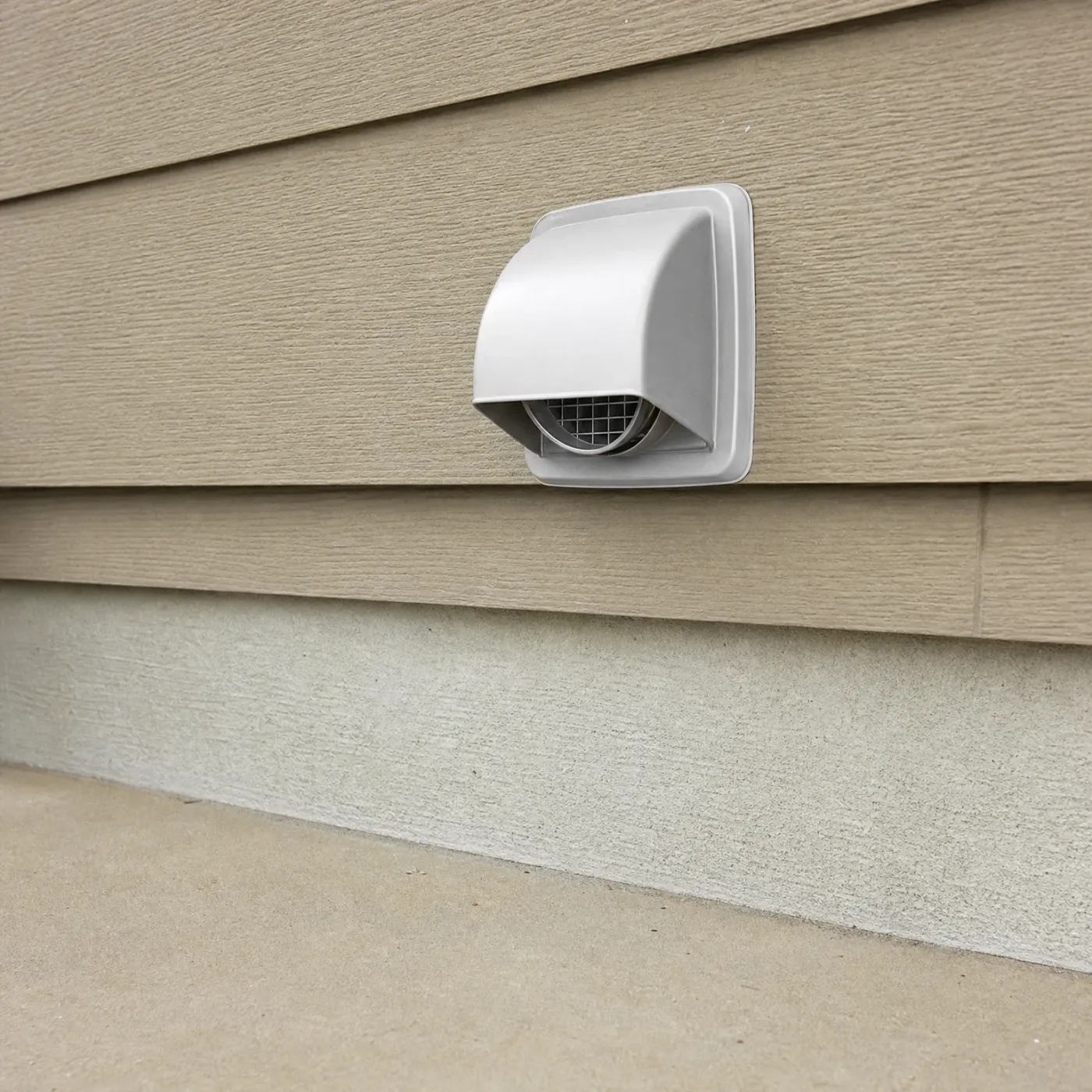
A white hooded dryer vent with a grille mounted on tan horizontal lap siding above a concrete slab.
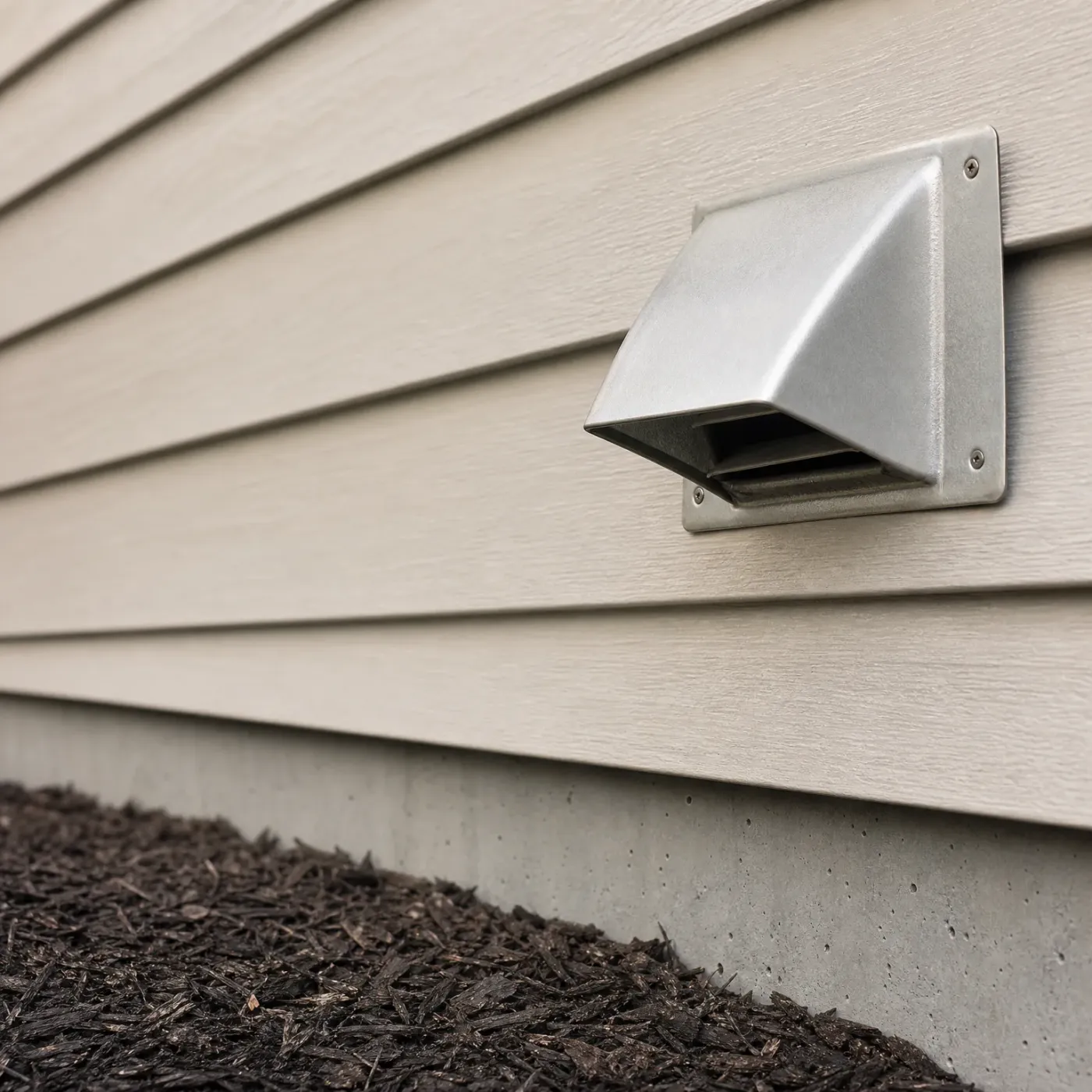
A mesh screen behind the hood cap keeps birds out while still letting the flap open and close on its own each time the dryer runs.
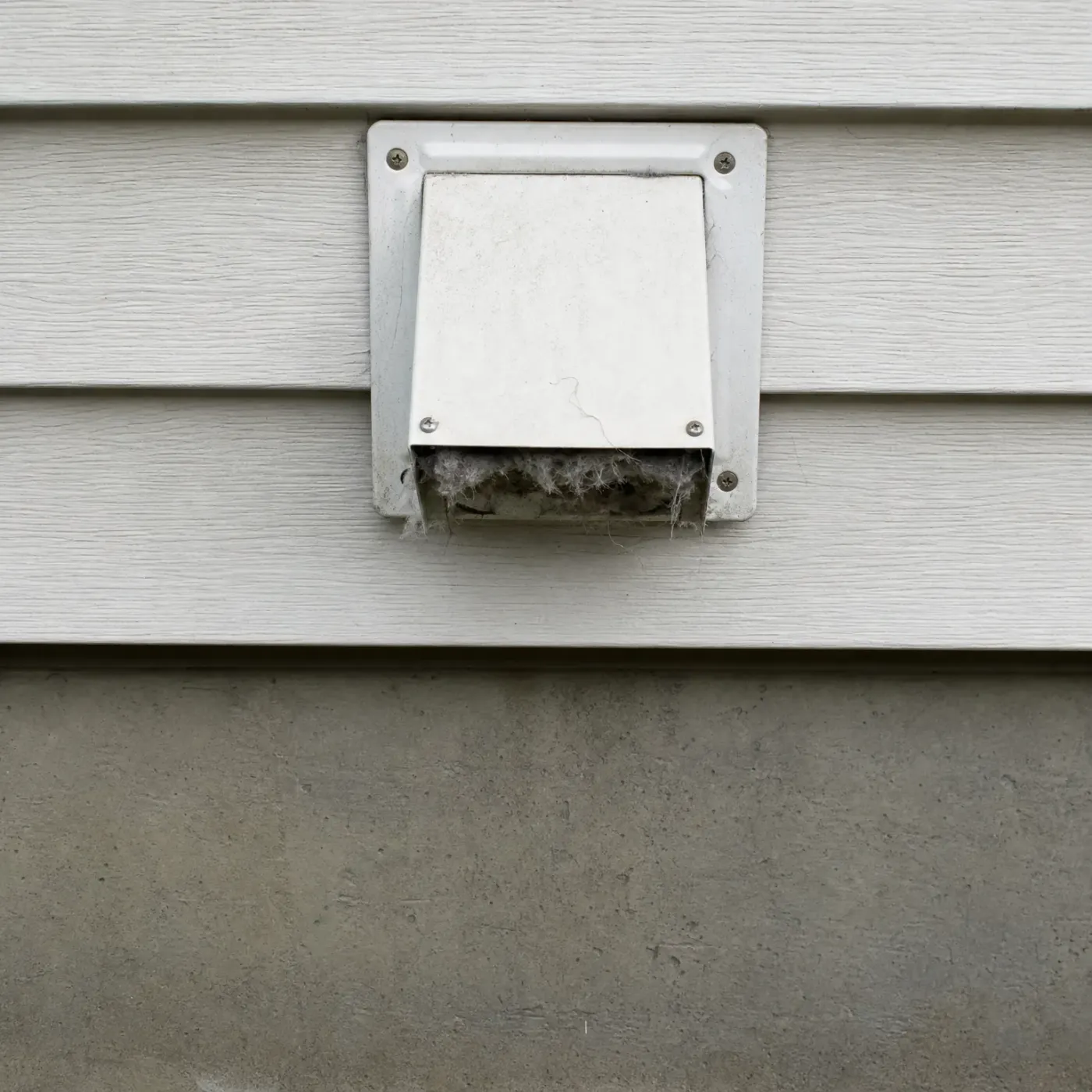
A white plastic dryer vent hood with a hinged flap mounted on light grey horizontal lap siding, with lint clogging the opening beneath the flap and a concrete foundation wall below.
Lint has propped this flap open, and that gap is exactly what a bird looks for when it's picking a place to nest.

How many people and how much lint is your vent dealing with?

  • 2.52 people per household on average

    Households here average 2.52 people, which means loads most days of the week and a vent hood flap working hard enough to wear loose.

  • Half the homes here were built by 2005

    Half the homes in Lincoln County were built in 2005 or earlier, so a lot of vent hoods out there have had twenty years to rust or sag.

  • Power here costs 13.03 cents per kilowatt-hour

    At 13.03 cents per kilowatt-hour, power here is cheap, but a nest blocking the vent still makes the dryer run longer to dry the same load.

ACS 2020-2024 · EIA-861 2025

  1. A bird finds the loose flap and pushes inside the hood.

  2. Twigs and grass pile up in the vent pipe behind it.

  3. Airflow from the dryer drops as the nest blocks the duct.

  4. Lint collects in the nest instead of blowing outside.

Clear It Yourself or Call for a Cleaning

Clear it yourself

  • Pulling a nest out of the hood takes a flashlight and a pair of gloves, nothing more if it hasn't pushed back into the pipe.
  • You can see right away whether the flap closes flush once the nest is gone, which tells you if the hood itself is bent or just blocked.
  • Grass and twigs near the opening are easy to spot and clear without taking anything apart.
  • If the dryer runs fine and the air outside the hood feels strong again, the job's done.
  • You won't know if nesting material packed further back in the duct, past where your hand or a shop vac can reach.
  • A screen you fasten over the hood yourself can come loose or get crushed by the flap if it doesn't leave the opening clear.

Have it cleaned

  • A contractor can run a brush the full length of the duct, past the hood and into sections you can't reach from outside.
  • They can tell you whether the flap itself needs replacing or just the nest removed, since a bent hinge won't reseal on its own.
  • Clearing the whole run matters when lint built up behind the nest for weeks before anyone noticed.
  • A cleaning turns up blockages from prior seasons too, not just whatever a bird carried in this spring.
  • Fitting a proper screen guard at the hood is part of the same visit, so the fix and the prevention happen together.
  • It costs more than doing it yourself, but it covers the parts of the vent you can't see or reach.
A woman in a cream knit sweater reclines on a sofa with her eyes closed and a slight smile, a closed dark book resting on a blanket in the foreground and a lit lamp and small potted plant behind her.
A smiling bearded man in a dark green sweater sits at a dinner table with a glass of red wine, a bowl of salad and a lit candle in the foreground, in a dimly lit room with a framed picture, lamp and potted plants behind him.
A metal hooded exterior dryer vent with louvered opening mounted on beige lap siding above a concrete foundation bordered by dark mulch.

Get your dryer vent to the right pro

Send it once and finding someone is no longer on you.

Your request goes to a Lincoln County pro who takes dryer vent jobs.

Get matched

No fee to send it, and nothing to sign.

What tells you a bird got into your vent

A load that used to take an hour running closer to two is one sign. So is a dryer that feels hotter to the touch than usual, or a burnt smell when it runs. Step outside and look at the hood. If the flap sits open instead of closing flush against the wall, or if you can see twigs poking out around the edges, that's the nest. You might hear scratching or chirping from the vent itself, especially in the morning. Left alone, the blockage keeps lint from clearing the pipe, and lint that can't get out is how dryer fires start.

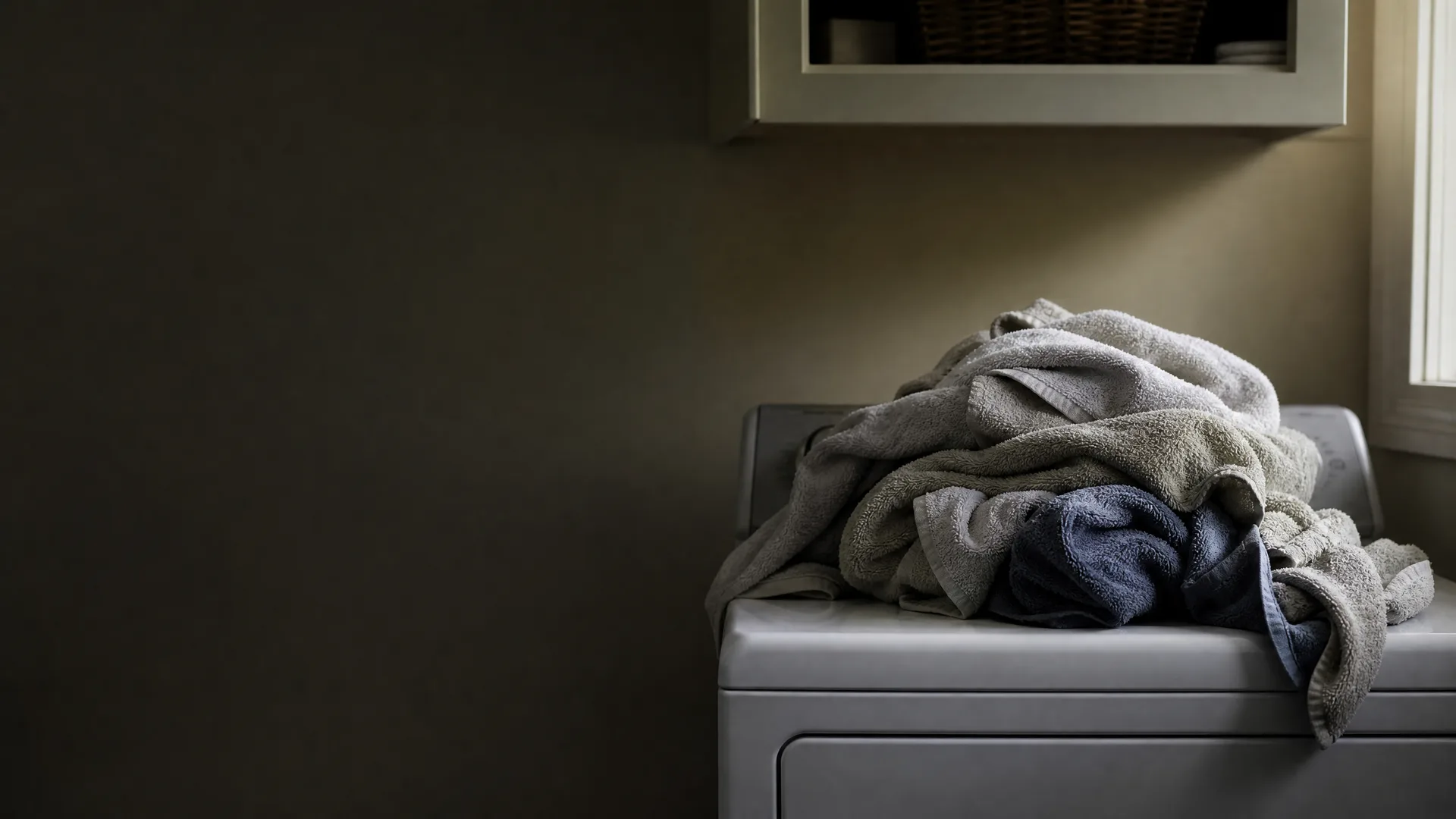
A pile of gray and blue towels sits on top of a white dryer in a dim room with a wall cabinet above and a window to the right.

You pull the Tuesday load out at seven and the towels are still damp at the fold. You run it again. By the second hour the laundry room smells warm in a way it shouldn't, almost scorched, and the dryer's top is hot enough that you pull your hand back. The towels sit in a heap on the lid while you wait, phone in hand, scrolling to see if anyone else in Lincoln County has had a bird get into their vent this time of year. Outside the window it's still light this late in spring. You haven't gone out to look at the hood yet. You're still standing there deciding if it's worth the walk around the house tonight or if it can wait until morning.
A woman in a cream sweater and jeans stands in an open black front door of a white stucco house, viewed over the shoulder of a man in a navy jacket in the foreground.

What a blocked vent does to your house

A nest in the vent pipe doesn't just slow the dryer down. It holds the heat and lint that should be blowing outside, and that heat has nowhere to go but back toward the machine. Lint is what catches fire in a dryer vent, and a bird's nest gives it something to collect on. The longer it sits, the more it builds.

If you'd rather not get up on a ladder or run a brush through the pipe yourself, you don't have to figure out who to call around Harrisburg on your own. Send the form and a contractor who handles this in Lincoln County will reach out to you directly. That's one less thing to track down after a long day.

Interior corner of a living room with a beige upholstered armchair holding a textured pillow and throw, a eucalyptus arrangement in a ceramic vase on a wooden table in the foreground, a blurred glass-front cabinet behind, and a potted plant on a sunlit window sill.
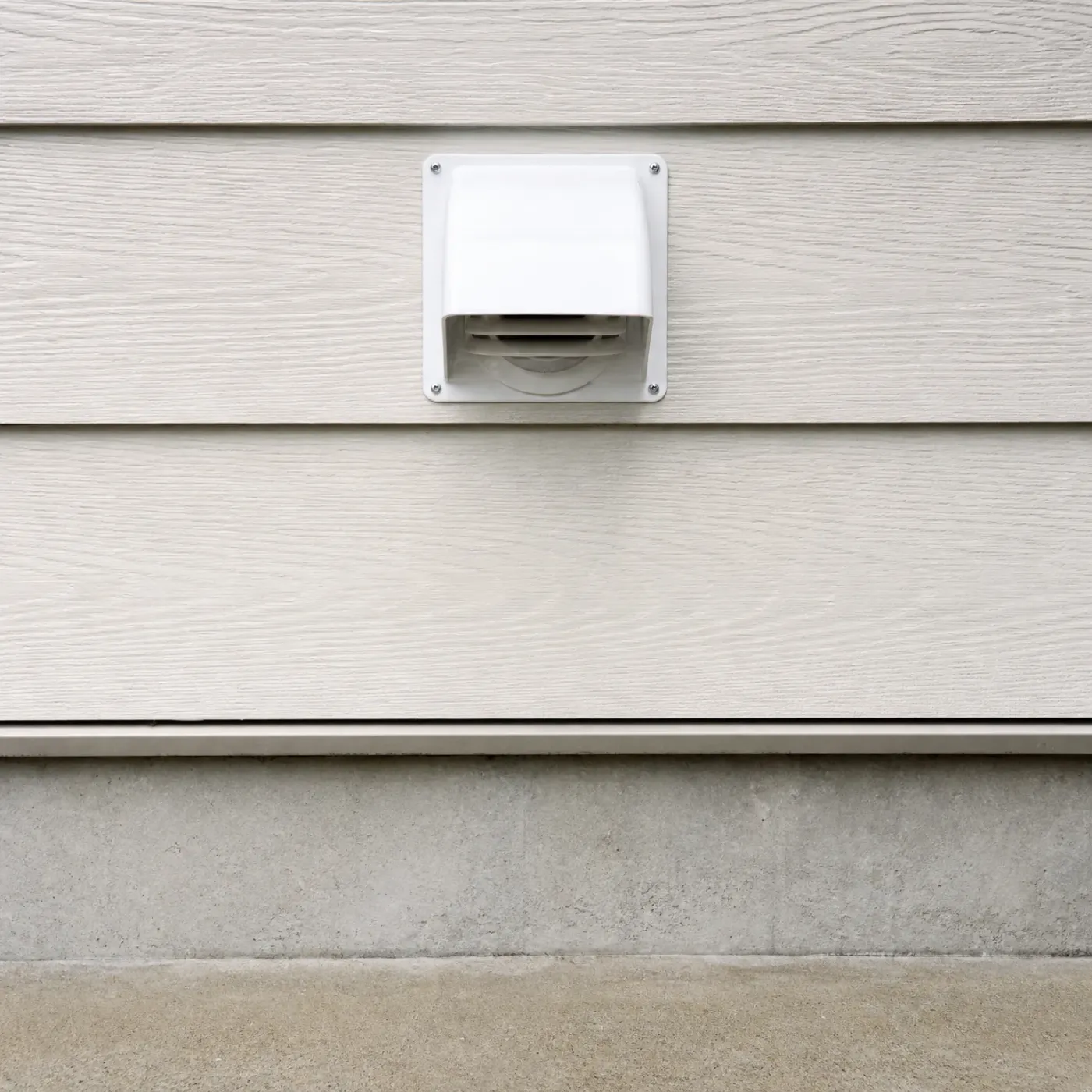
A white hooded dryer vent with a louvered flap mounted on beige horizontal lap siding above a concrete foundation wall.

The hood doing its job

This flap sits flush against the siding with no gap at the corners. Air from the dryer pushes it open when a load runs, then it falls shut on its own. Nothing can wedge in behind it, bird or otherwise, so lint and heat go straight outside.

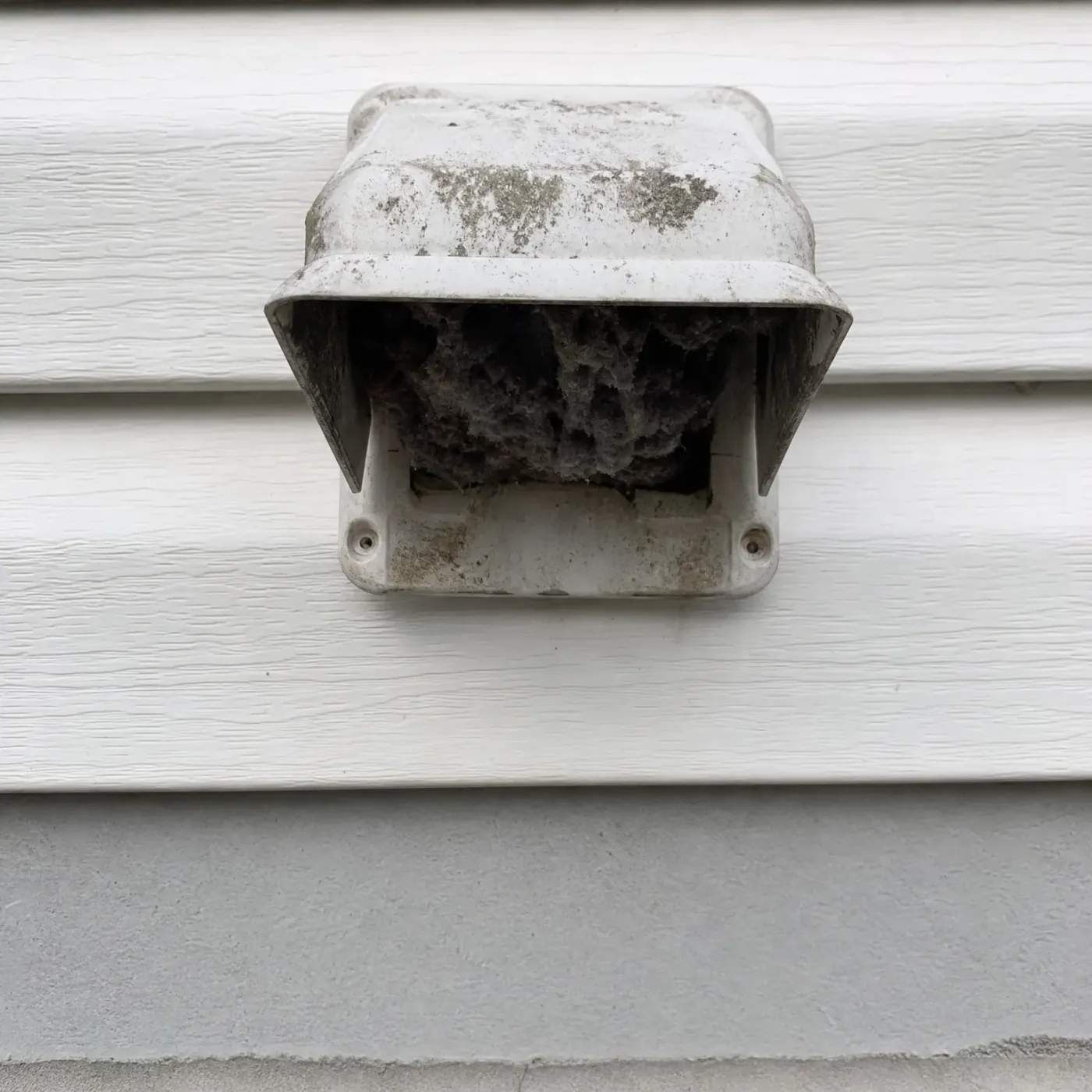
A white plastic dryer vent hood on horizontal lap siding, clogged with thick gray lint and dirt, above a lighter concrete foundation wall.

The hood with a nest behind it

Lint has caked around this opening until the cap itself is grimed with dirt and mildew. Somewhere behind that mass of compacted lint, a nest may already be blocking the pipe. A hood that looks like this hasn't closed properly in a while.

2.52 people per household on average

At 2.52 people, most households here run a load nearly every day. That's a lot of trips through the vent hood flap, and every one is a chance for it to wear loose enough for a bird to push through.

ACS 2020-2024

What a vent bird means for you

  • A dryer hood flap that won't sit flush is almost always why a bird got into the vent in the first place.
  • Once a nest is in the pipe, airflow drops and a load can take twice as long to dry.
  • Heat and lint that should vent outside build up behind the blockage instead, and that's a fire risk.
  • Clearing the nest yourself is possible if it hasn't pushed past the hood, but a flap that still won't close needs a repair.
  • A mesh screen behind the cap keeps birds out without stopping the flap from opening when the dryer runs.
  • With households here running a load most days, a worn flap gets tested often enough to fail.

A bird in the vent almost always traces back to the same thing: the hood flap outside isn't closing all the way, and that gap was enough to let something in. Once a nest is sitting in the pipe, the dryer is working against a blockage it wasn't built to push through. Loads take longer, the machine runs hotter, and the lint that should be blowing out into your yard has nowhere to go but back toward the drum. That's the part worth taking seriously, since lint is what burns in a dryer vent fire, not the bird's nest itself. If the nest is still in the hood and hasn't been pushed back into the pipe, clearing it out is a job you can do with a flashlight and some gloves. What you can't always fix yourself is the flap. If it's bent, rusted, or the hinge has worn loose, pulling the nest out won't stop the next bird from trying the same gap. That's when it's worth having someone look at the hood itself, maybe fit a mesh screen behind it so the flap still opens freely when the dryer runs but nothing can wedge in behind it when it doesn't. With most households here running a dryer load nearly every day, that flap opens and shuts a lot over a year, and it's the part that wears first. Knowing it's the flap, not the dryer, is most of the way to getting it fixed.

A smiling bearded man in a dark green henley shirt sits on a blue-gray couch in a living room, with a bowl of popcorn in the foreground and a houseplant and window behind him.
A smiling man in a dark sweatshirt reclines on a gray sofa in a living room, with a wooden bowl of popcorn on a table in the foreground and a dining area, shelving, and pendant lamp behind him.
A smiling man in a navy long-sleeve shirt reclines on a sofa in a living room, with a bowl of popcorn on a wooden coffee table and framed pictures on the wall behind him.
A smiling man in a dark green long-sleeved shirt sits on a gray sofa in a living room, with a bowl of popcorn in the foreground and windows and a potted plant behind him.

Dryer Vent Cleaning

Find a dryer vent cleaning pro in Lincoln County

Send the form and finding a dryer vent cleaner is handled.

A black-framed smartphone standing upright against a plain light gray background, its screen filled with solid green.
Duct and vent cleaningLincoln County, SD
Step 1 of 3

What kind of equipment?