The hood doing its job
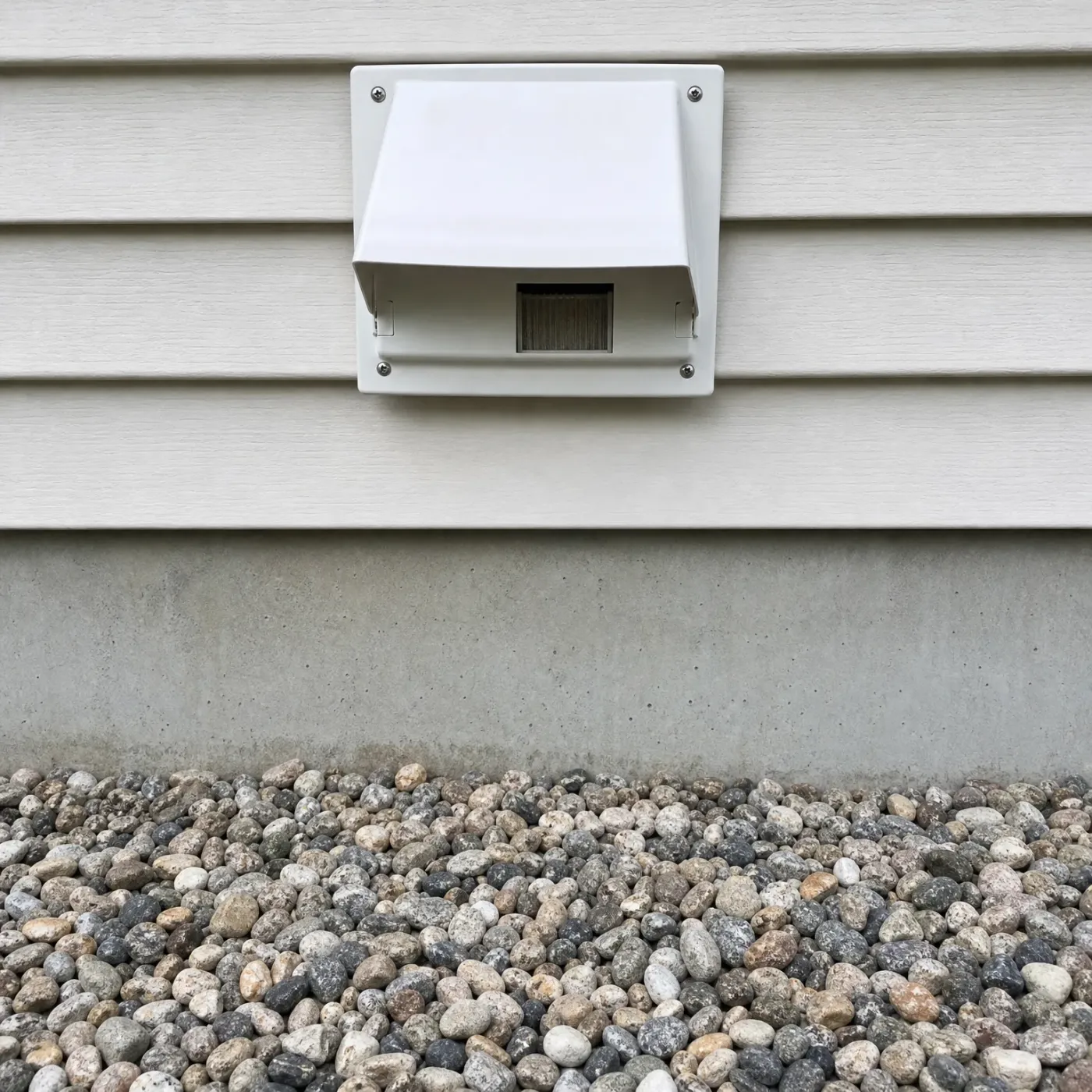
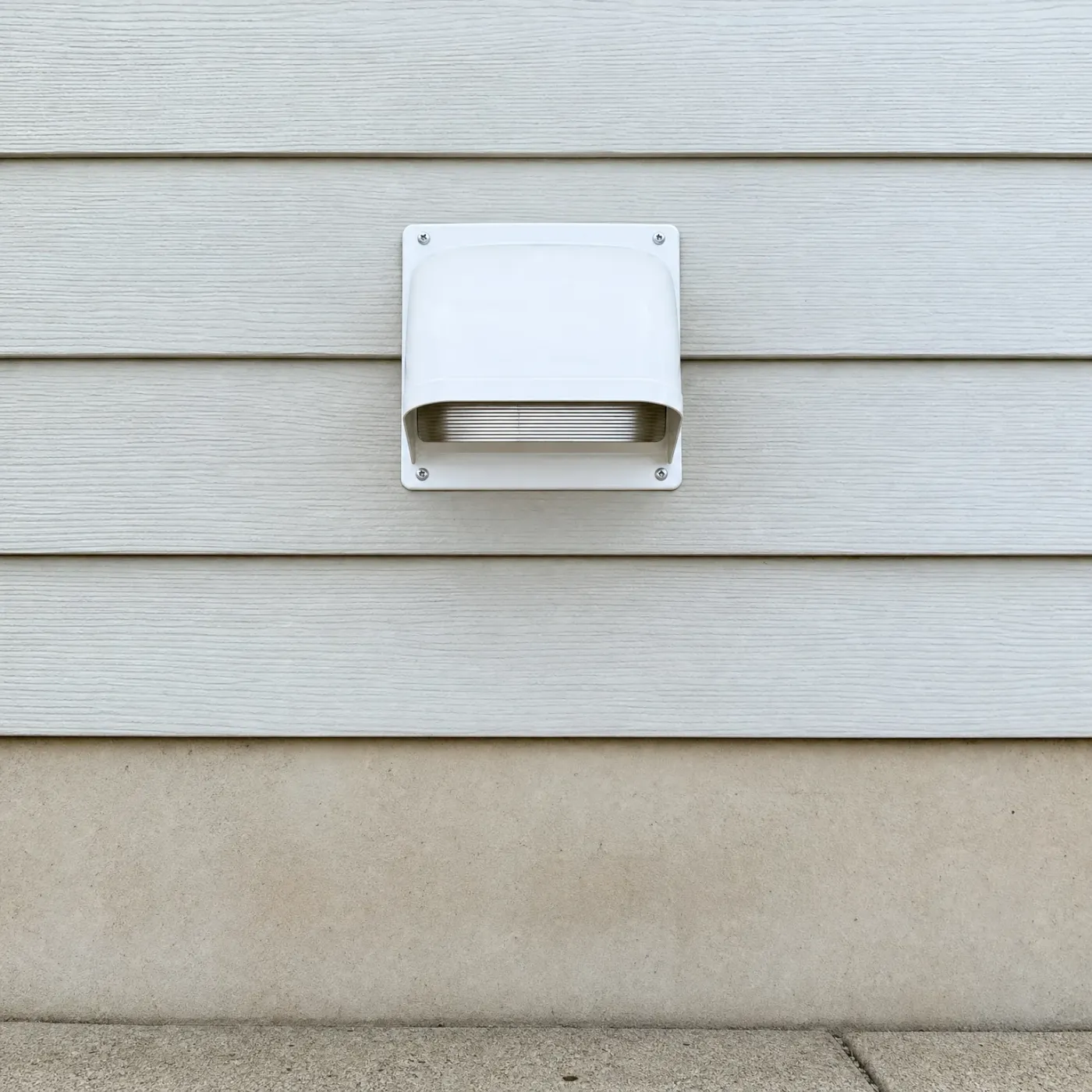
This flap sits tight against the wall and swings shut the moment the dryer stops. No gap, no loose screen, nothing for a bird to grab onto or push through. Air gets out. Nothing gets in.
A bird that got into your dryer vent didn't pick your house by accident. The hood flap is probably bent or stuck open, and that's an easy way in come spring when starlings and sparrows are looking for a place to build. Once a nest is packed into that duct, your dryer has to push air through it, and that's not a problem that clears up on its own. You could spend an afternoon calling around Brookings and the county for someone who'll actually get up there and clear it, then explain the same thing twice more while you compare quotes. This page skips that part. Tell it what's going on and it connects you with one licensed local contractor, not a handful of companies competing for your callback, someone who deals with this exact problem on homes around here every season and knows what a nest does to a vent run over time. The button below starts that.
Spring is when it usually starts. You go to run a load and hear scratching, or the dryer stops venting right and you catch sight of twigs stuffed behind the outside hood. Starlings and sparrows around Brookings look for tight, sheltered spots to build in, and a dryer vent offers exactly that. It doesn't mean anything about your house in particular, but it does mean the vent needs attention before the duct gets blocked further.
Every dryer vent ends outside in a hood with a flap that's supposed to swing open when the dryer runs and close the rest of the time. If that flap is bent, rusted stuck, or missing, the opening stays there year round, and in spring a bird looking for a nesting spot will take it. The warm air coming out of the vent makes it even more appealing early in the season when it's still cold at night. Once nesting material gets packed into the duct, lint builds up behind it fast, and that combination is a real fire risk. The fix starts with clearing the duct, then making sure the hood flap actually closes.

A dryer vent hood should have a flap that swings shut on its own once the dryer stops pushing air out. Birds can't get past one that closes right. The trouble starts when the flap is bent, rusted open, or missing altogether, or when the spring behind it has given out. An open hood looks to a starling or sparrow like any other hole in the siding worth building in.

A dryer pushes hot, damp air out through that duct every time it runs. Twigs and nesting material packed into the line choke that airflow off. Lint that would normally blow outside starts collecting in the duct instead, and the dryer has to work longer to dry the same load. A vent that can't exhaust properly is also a known cause of dryer fires, which is why cleaning it out matters beyond just getting the nest removed.
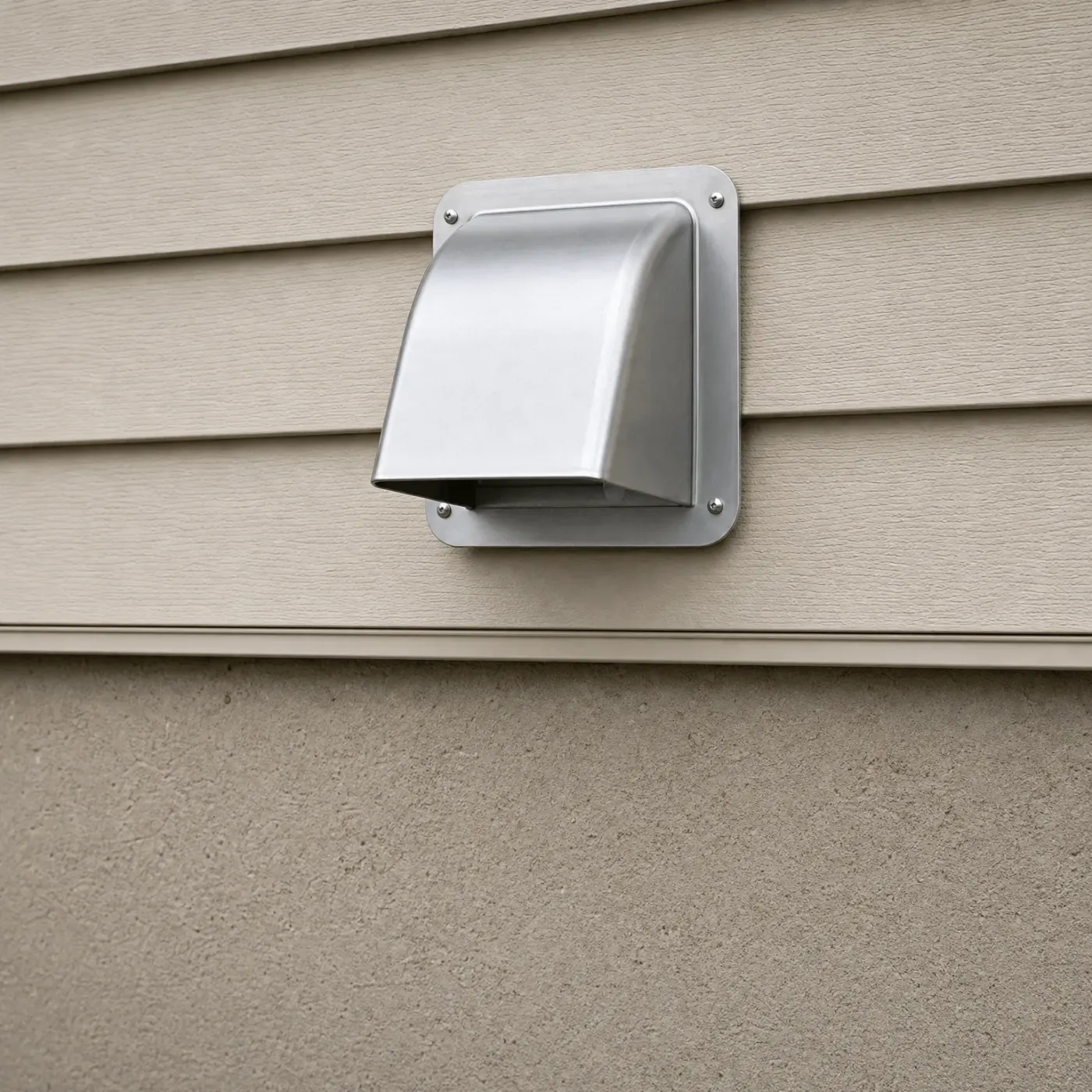
This flap sits tight against the wall and swings shut the moment the dryer stops. No gap, no loose screen, nothing for a bird to grab onto or push through. Air gets out. Nothing gets in.
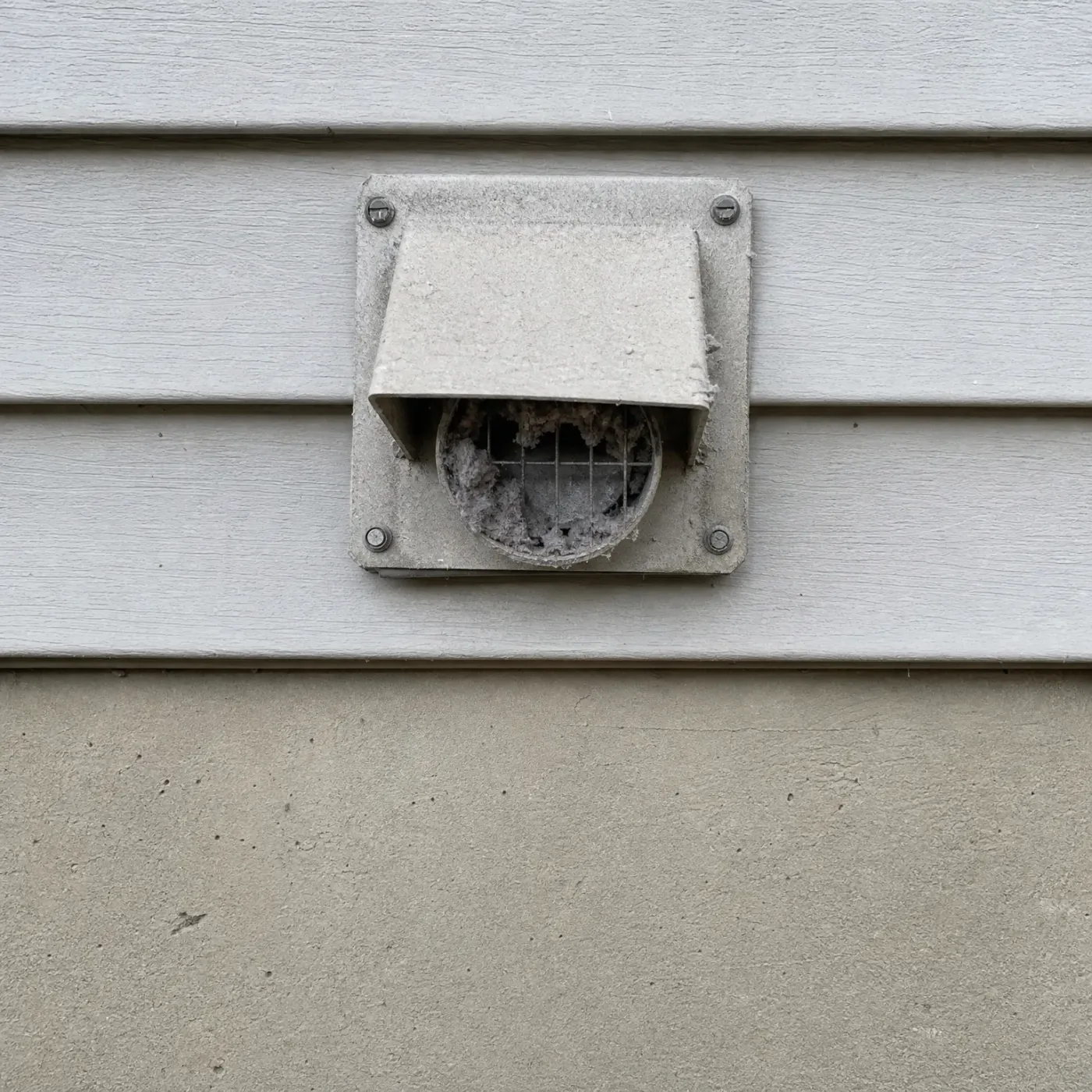
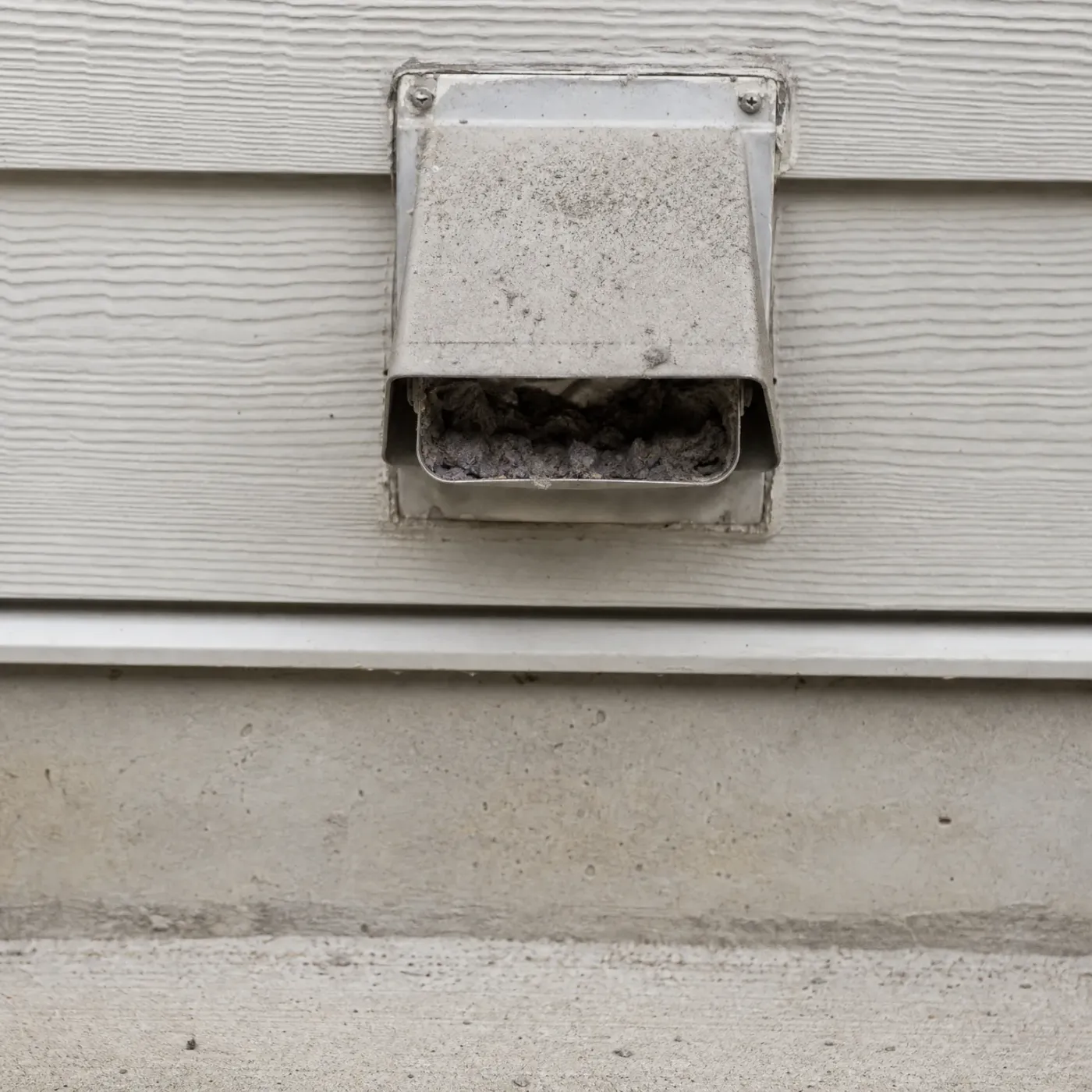
Lint has built up over the screen until air barely gets through, and that screen is exactly the kind of mesh birds tangle nesting material into once a flap won't close. A clogged hood and a bird looking for shelter end up with the same result.




The pro who gets in touch is licensed in South Dakota and works in Brookings County.
Answer a few questions about the dryer vent cleaning and skip the search.
You're not committing to anything by asking.
2.33 people per household on average
A household here runs 2.33 people's worth of laundry on average, so that vent is pushing out loads most days of the week, not sitting idle.
Half the homes here were built by 1983
Half the homes in Brookings County went up in 1983 or earlier, which means half the vent hoods out there have had forty-plus years to rust, bend, or lose that flap.
Power here costs 11.36 cents per kilowatt-hour
Electricity runs 11.36 cents per kilowatt-hour here, cheap enough that most homes lean on gas dryers instead, and a blocked gas vent is a different kind of risk than a blocked electric one.
ACS 2020-2024 · EIA-861 2025
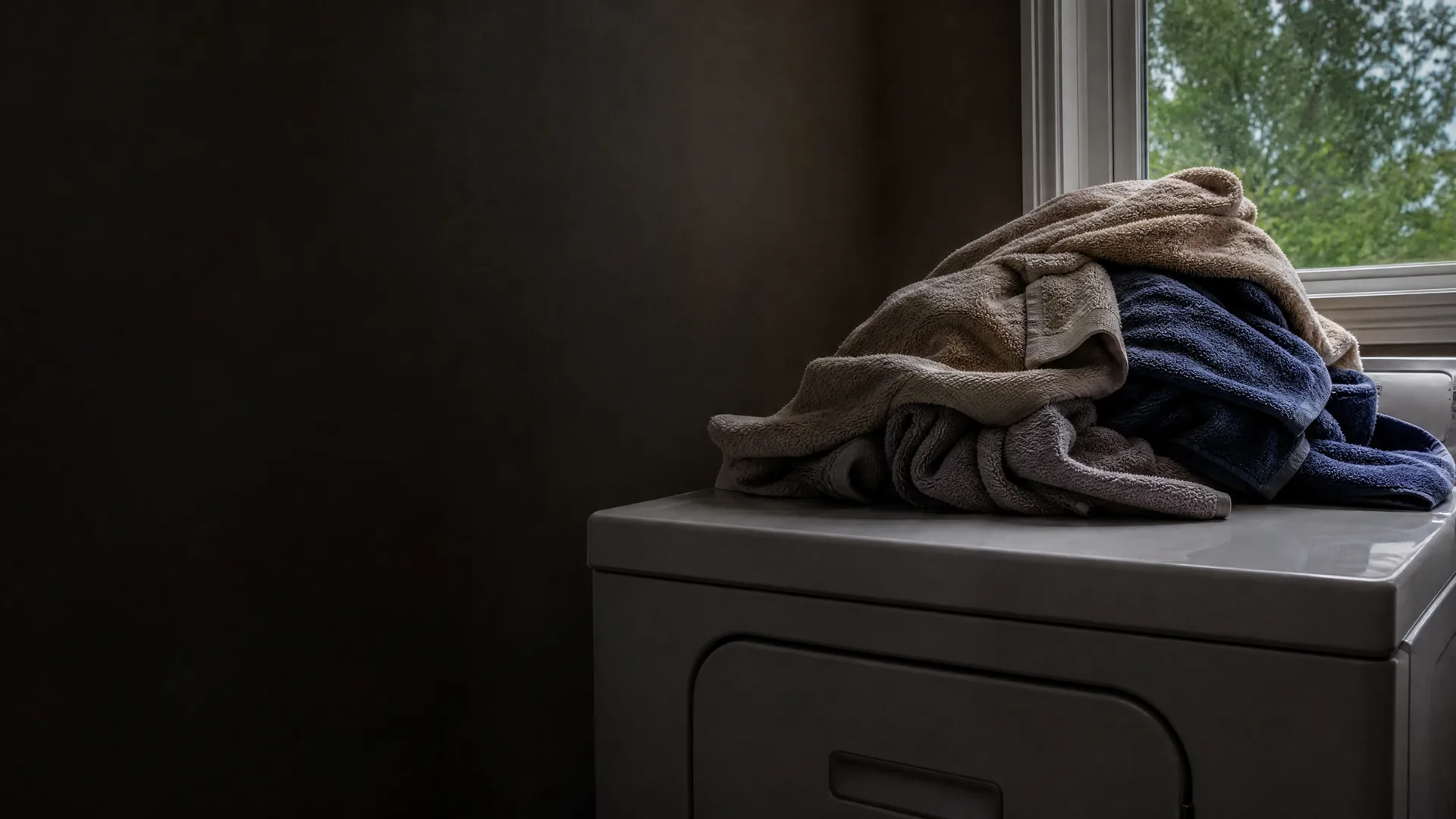
It's almost nine on a Tuesday and you're still in the laundry room, where you've been three times tonight already. The towels came out of the dryer damp again, same as this morning, and now they're piled on top of the machine while you try to decide if it's worth running them a third time. You crack the laundry room window and you can hear it before you see anything, a scratching from somewhere behind the wall. Outside, the hood flap hangs open an inch, feathers caught in the hinge. You leave the towels where they are and go find a flashlight.
Your dryer doesn't just tumble clothes dry. It pushes hot, wet air out through the duct every single cycle, and that duct has to stay clear for the whole trip to the outside hood. When a nest sits in that path, the air has nowhere to go. Lint keeps coming off the load anyway, and it collects right where the blockage is, building up with the twigs and grass instead of blowing clear outside. That's exactly the mix that catches fire, sitting right at the point where the dryer is putting out the most heat. Before any of that, you'll likely notice the dryer working harder. It runs longer than it should and gets hotter trying to finish a load it used to handle in one cycle. Some dryers will cut the cycle short on their own when the high-limit thermostat trips from the heat buildup. And what you see at the hood, a few twigs poking out, usually isn't the whole nest. It's often just what made it to the end of a pipe packed with more further back.
You wait until the dryer takes three cycles to dry one load, then call someone. By then the nest is packed solid and the duct is coated with lint baked on from months of heat with nowhere to go.
You call once the first cycle runs long. The nest is still loose, the lint hasn't built up around it yet, and whoever clears it has less duct to work through to get the air moving again.
At 2.33 people, your household is still doing laundry most days, towels, sheets, work clothes. Every one of those loads needs a clear path out through that hood. A nest behind it doesn't just slow a cycle, it backs up heat and lint with nowhere to go, load after load.
ACS 2020-2024
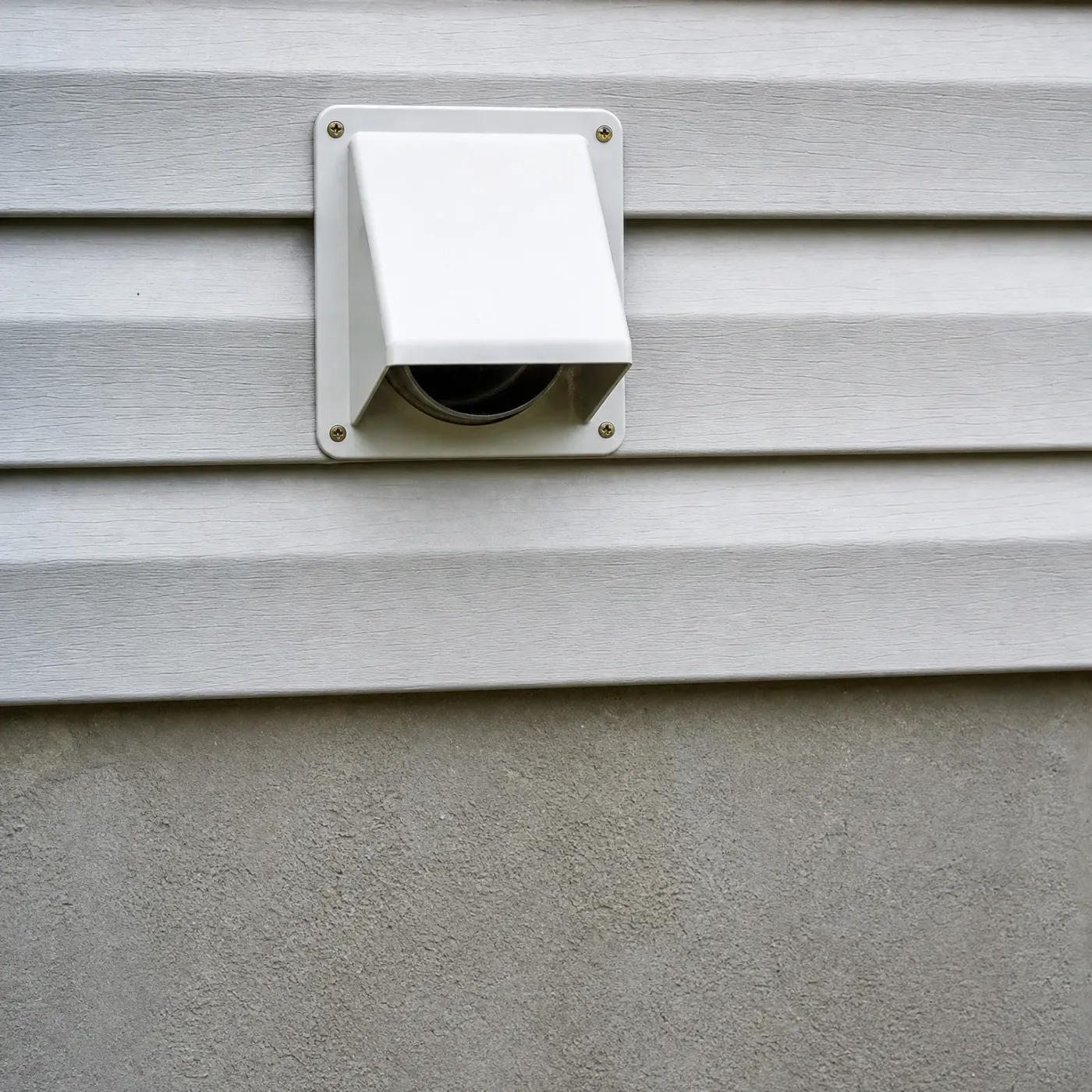
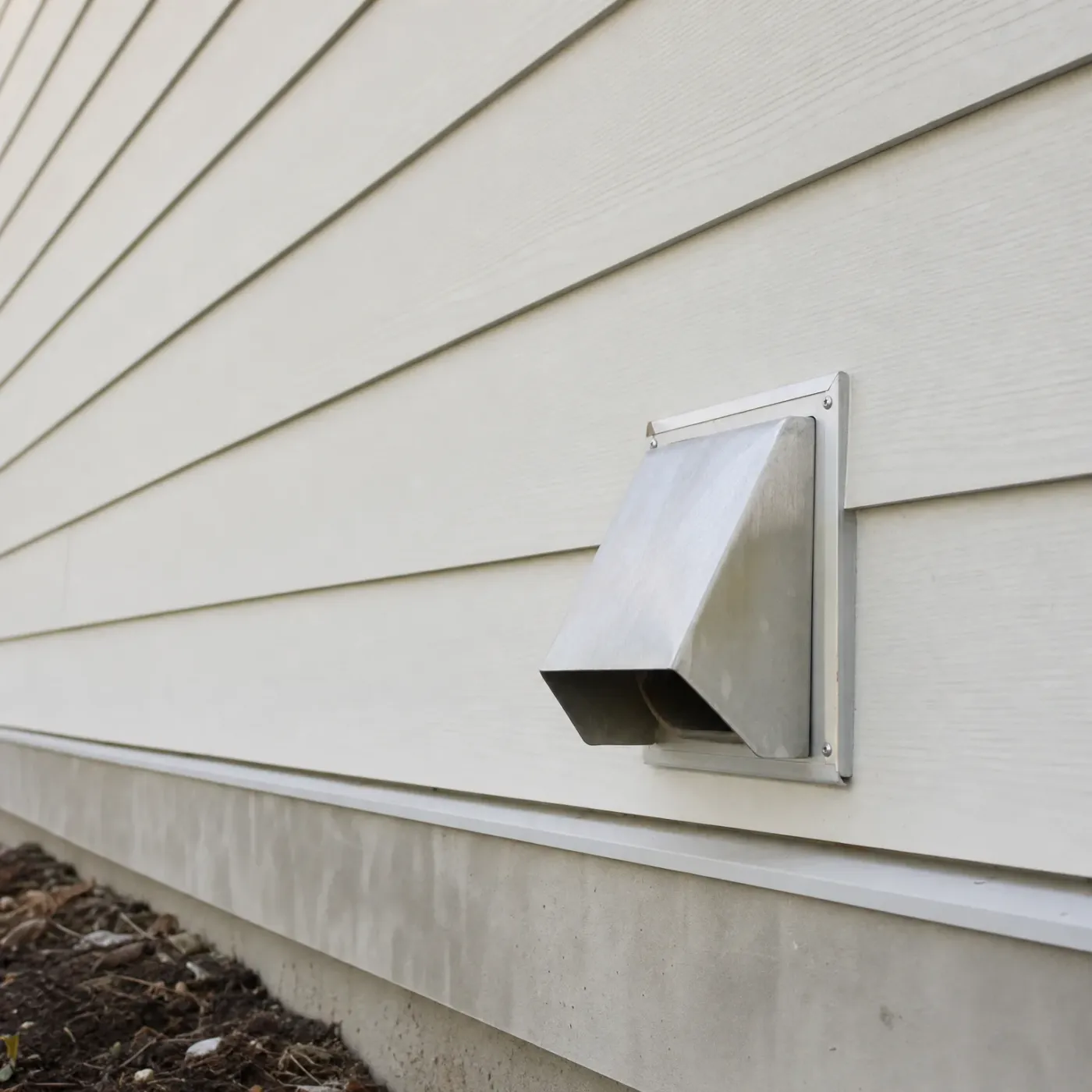
The flap hangs loose and swings shut as soon as the dryer shuts off. Air finds its way out with nothing blocking the opening, no twigs wedged in the screen, no gap a bird could squeeze through. A load dries in one cycle because the duct is doing its job.
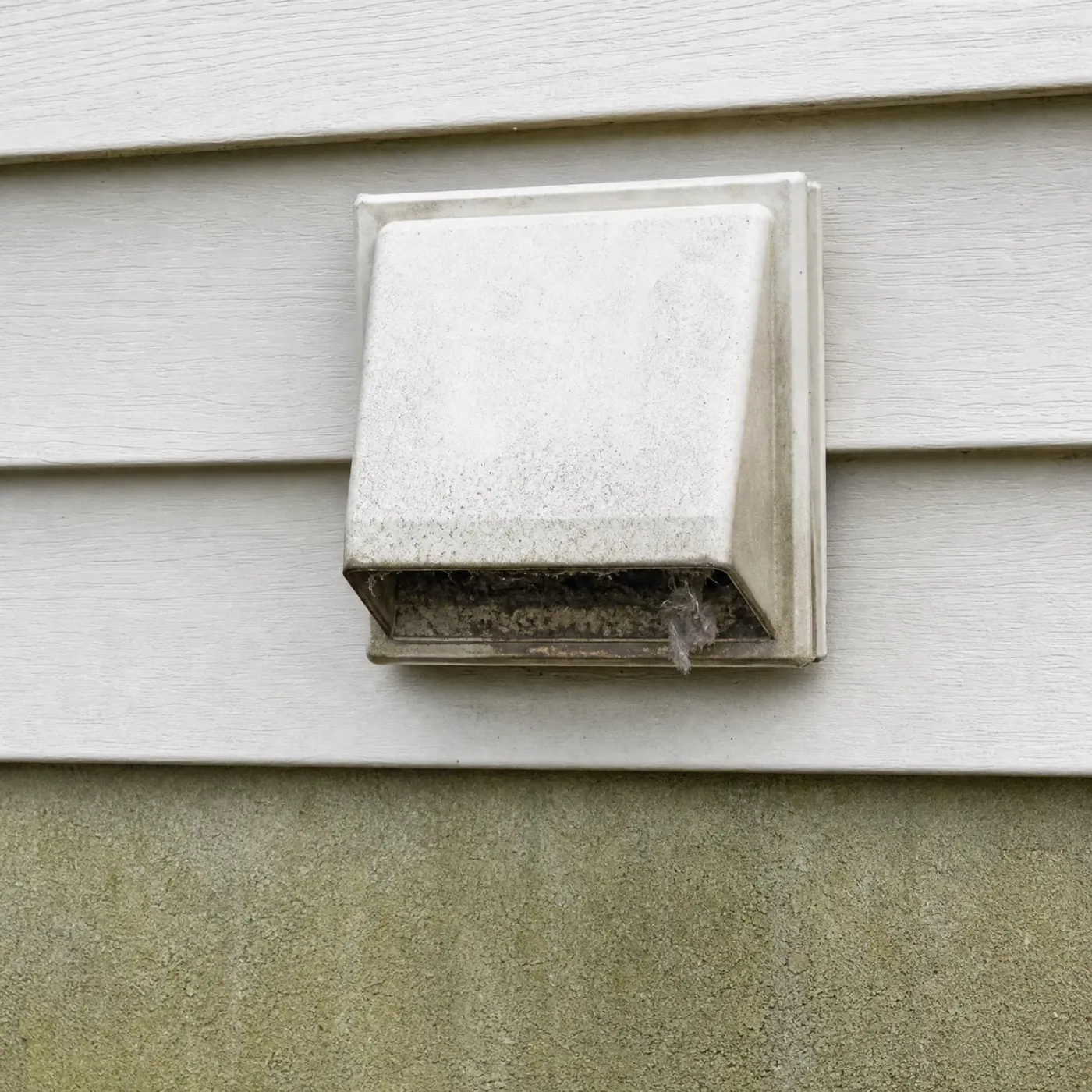
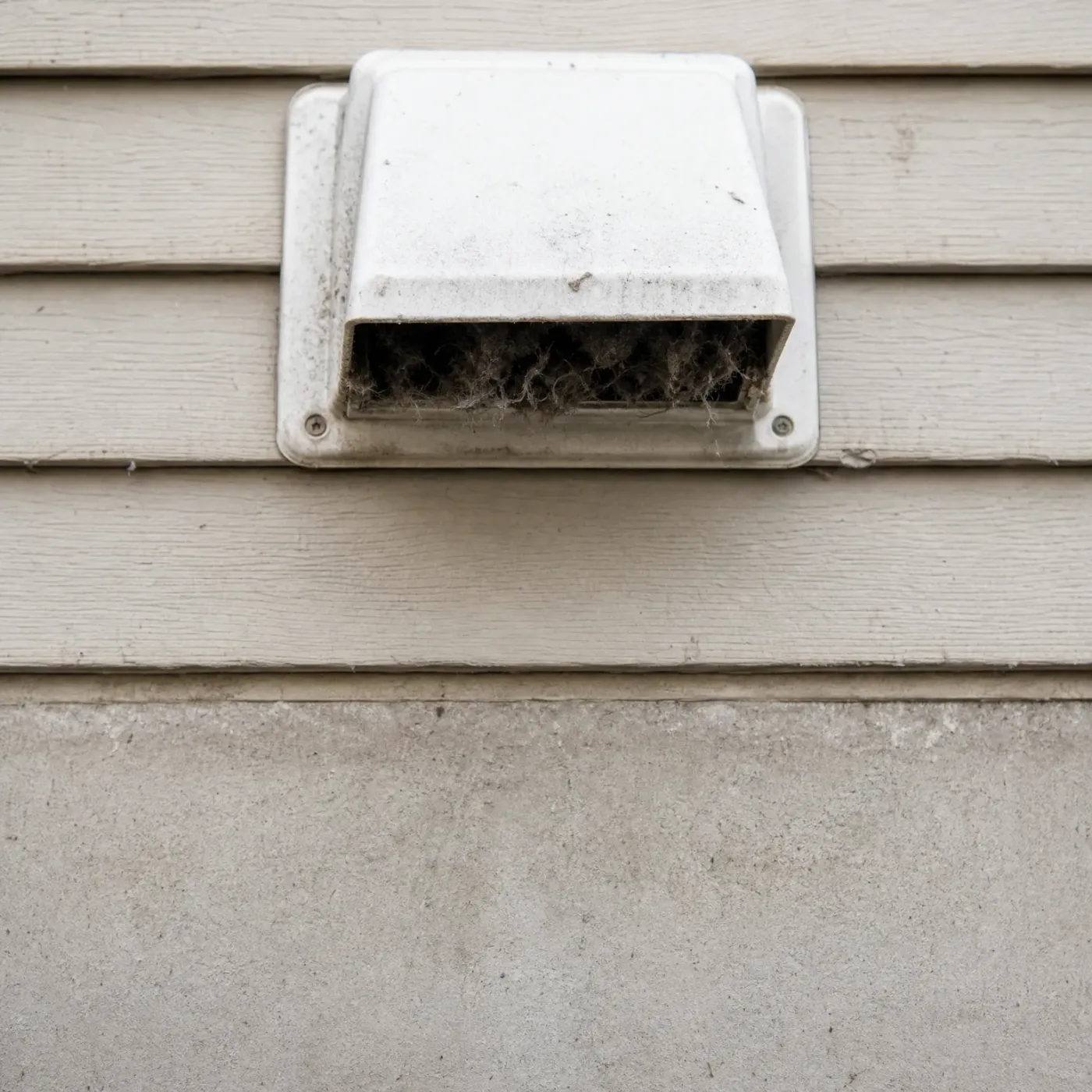
Lint has packed in around the flap until it can't close all the way, and that gap is how a sparrow gets a foothold. What you see from outside is a tuft of lint caught in the opening. What it means is the duct behind it is already narrowed or blocked.
A bird in the vent is a blocked duct, and a blocked duct is a fire risk along with the long drying times. Clearing it means getting the nest out of the whole run, not just the few inches behind the hood, and fitting a flap that actually closes once the dryer shuts off. That's a job for someone who works on dryer vents around Brookings County all year and knows how far back a sparrow's nest usually packs and what the lint underneath it looks like after a winter of heat with no way out. You get matched with one contractor, local and licensed, not a handful of companies working your number. No explaining the problem five times to five different people. Your vent gets fixed so this spring's nest is the last one, and your dryer goes back to drying a load in one cycle instead of three.
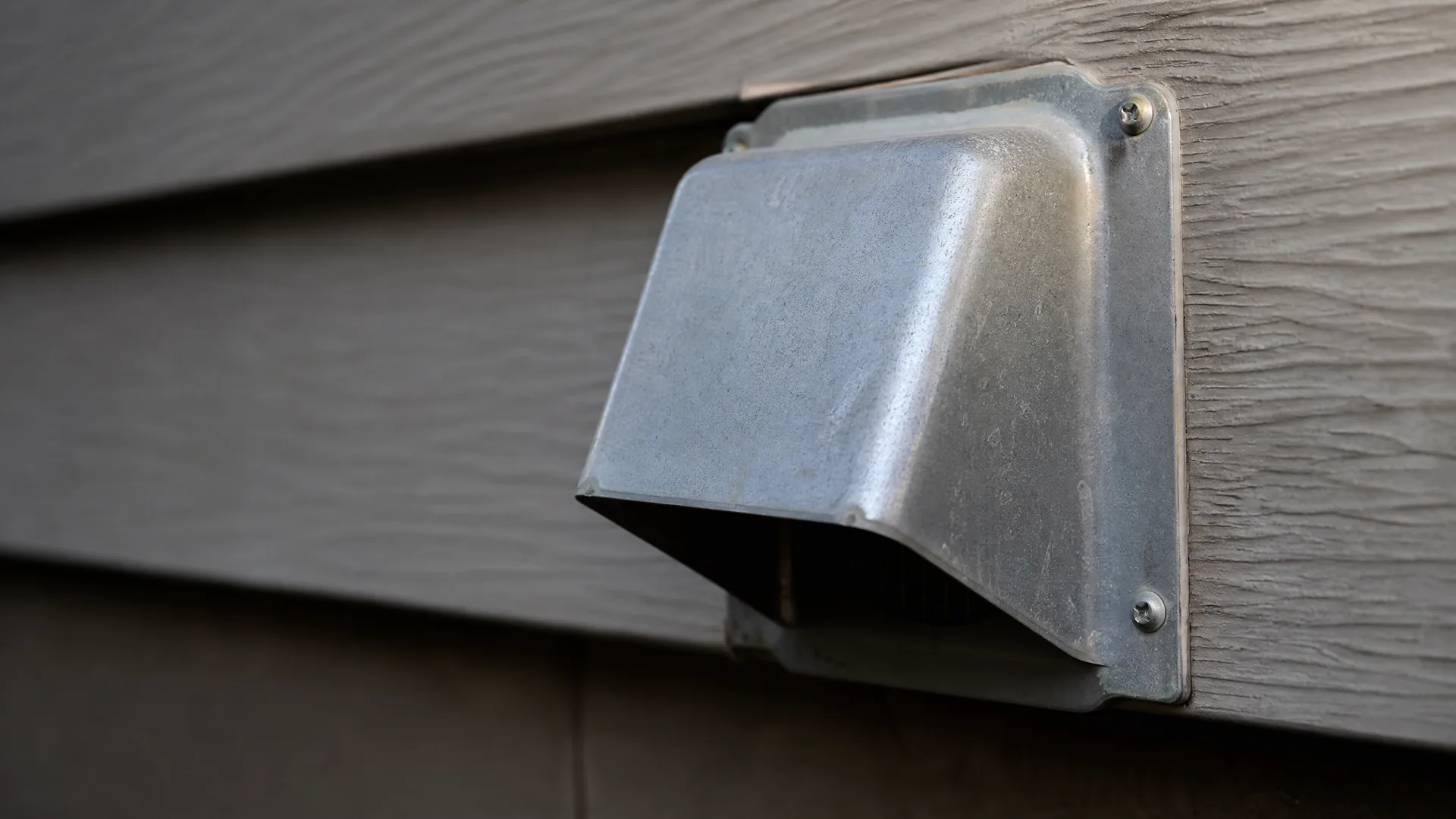
Skip the calls to every shop