









Signs of a clogged dryer vent in Aberdeen, SD

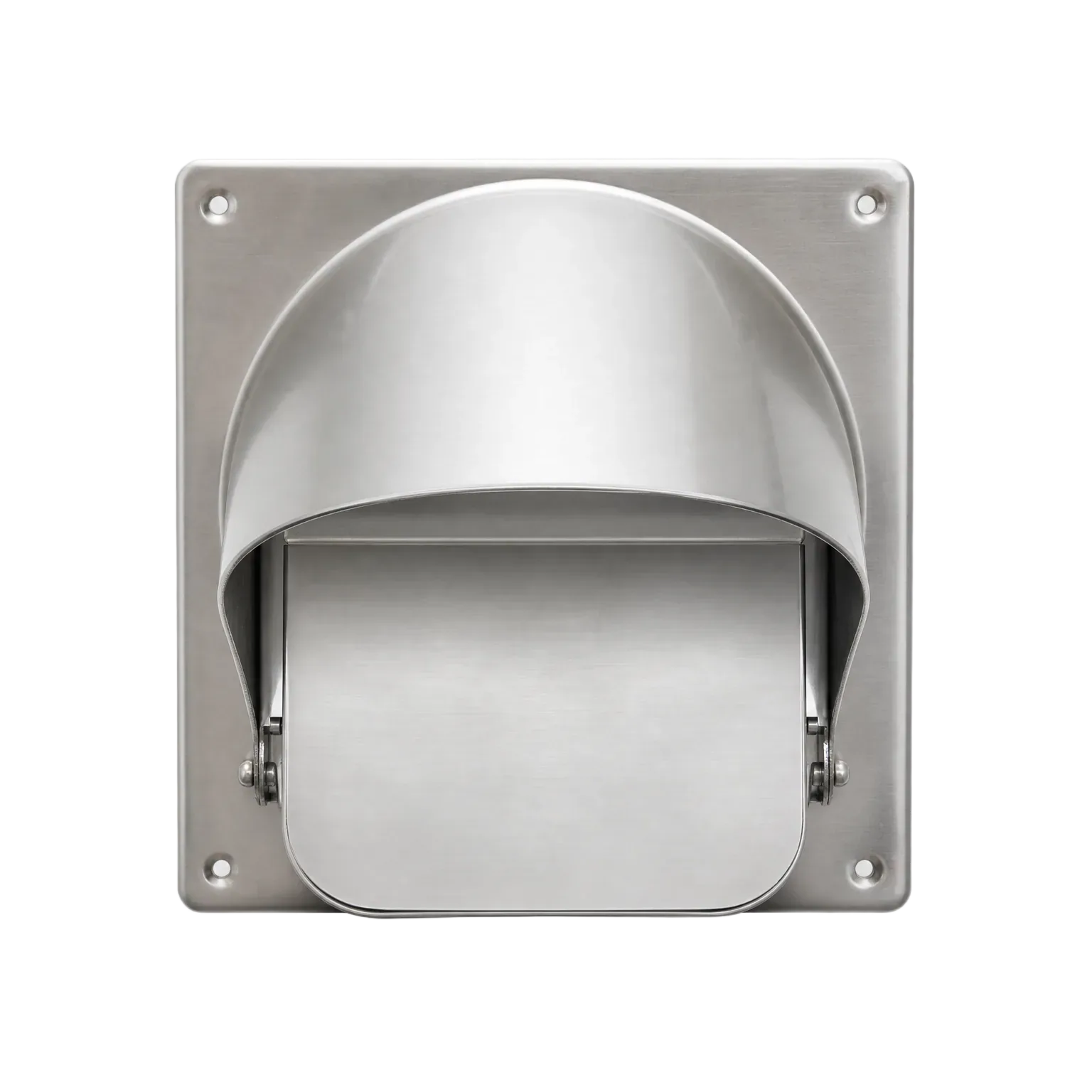
A stainless steel square wall vent with a curved hood and a hinged flap damper, shown straight on against a plain gray background.
Get a local pro

A clogged dryer vent shows up first as a dryer that takes two or three cycles to do what one used to do. Clothes come out hot but still damp. The top of the dryer or the laundry room gets warm to the touch, because the hot air meant to go outside is backing up into the room instead. Check the outside vent hood while the dryer runs: if the flap barely moves or no air comes out at all, lint is blocking the duct somewhere between the drum and the outside wall. You may also notice a burnt smell, or more lint around the lint trap and the back of the machine than usual. With Brown County winters running hard for months, a blocked vent means the dryer's motor and heating element work harder and longer against a backed-up duct, and that heat has nowhere to go but back at the machine. Left alone, it's a fire risk, not just a slow dryer.

Why does your dryer vent clog faster than you'd expect?

  • 2.26 people per household on average

    A household of 2.26 people here runs a load most days, and every load pushes more lint through a vent that's never been cleaned.

  • Half the homes here were built by 1973

    Half the homes in Brown County went up by 1973. A vent run that old has had fifty years to collect lint in its bends.

  • Power here costs 12.45 cents per kilowatt-hour

    At 12.45 cents per kilowatt-hour, power here is cheap, but a dryer fighting a clogged vent still runs longer and still costs you more to finish one load.

ACS 2020-2024 · EIA-861 2025

Run the dryer and go outside to check the vent hood while it's going. Air should push the flap open steady and strong, and you should feel it from a foot away.

If the flap barely moves or only trembles, the line is blocked somewhere between the drum and the hood. That's true whether the run is six feet or thirty.

An older man with gray hair and a beard stands in a doorway of a home, wearing a dark coat dusted with snow, with a lit fireplace and lamp visible in the blurred room behind him.
A bearded older man in a dark snow-dusted coat and scarf stands just inside a home's front door, with a lamp-lit room and snowy window visible behind him.
An older man with gray hair and a beard wearing a dark snow-dusted coat stands in a home entryway, with a lamp-lit living room and a wooden staircase behind him.
An older man with gray hair, a dark coat and scarf dusted with snow stands in a warmly lit entryway with an open wooden door, a table lamp, framed pictures, and a plant in a vase.

The trap in the door catches most of the lint, somewhere around three quarters or four fifths of it. What gets past it travels on the airflow, and where it ends up depends on the shape of the vent run. A straight shot to the outside wall gives lint nowhere to catch. Add a couple of elbows and each one becomes a surface where it builds up. The ducting matters too. Rigid metal pipe is smooth inside, so air and lint both move through it easily. Flexible foil or plastic ducting has ridges, and lint snags on those ridges instead of riding through. Over a long run, air slows down before it reaches the hood, and slower air drops more lint along the way. That's why the worst buildup is usually not near the dryer at all. It's at the far end, right where the line meets the outside wall or comes up through the roof. The hood flap out there is built to block weather and pests when the dryer's off, not to fight through a clog.

Where lint actually collects

  • Lint traps roughly 75 to 80 percent of what the dryer sheds, and the rest rides the airflow straight into the vent line.
  • Every elbow or turn in the vent run gives lint a surface to catch on, so a line with several bends clogs faster than a straight shot to the outside.
  • The hood flap outside is built to keep pests and weather out when the dryer is off, but a weak airflow from a clog can't push it open enough to vent properly.
  • Lint builds heaviest at the point farthest from the drum, which is usually right where the line reaches the exterior wall or roof.
  • A long vent run moves air slower than a short one, giving lint more distance to settle out before it ever reaches the hood.
  • Flexible foil or plastic ducting has ridges that snag lint far more than smooth rigid metal pipe does.
A white hooded exterior dryer vent with a mesh screen, screwed to light gray horizontal lap siding above a concrete foundation.
Open outside, the flap hangs loose, and air pushes it wide open with every cycle.
A metal dryer vent hood mounted on beige horizontal lap siding, with gray lint clogging its open flap, above a lighter textured foundation wall.
Clogged, the flap sits packed with lint and barely lifts when the dryer runs.

Clean It or Replace the Line

Clean the vent

  • A straight or lightly bent run can usually be cleared end to end from the hood or the dryer side alone.
  • Full airflow comes back right away, and the drying time that crept up to two or three cycles drops back to one.
  • The dryer runs cooler because the hot, damp air is actually leaving the house instead of backing up into the duct.
  • Lint sitting in the line since the vent went in gets pulled out, not just the clog closest to the opening.
  • A vent that's never been cleaned may need more than a quick pass if lint has packed into several bends.

Replace the vent run

  • A crushed section, a long run with too many turns, or a hood that's falling apart calls for new duct, not another cleaning.
  • A shorter, straighter path with fewer elbows clogs slower than the layout it replaces.
  • Rigid metal duct holds up better over the years than the foil or vinyl often found on older installs.
  • Replacing the line costs more upfront than a cleaning and isn't needed unless the duct itself is damaged or poorly routed.
  • A new outside hood with a flap that opens freely closes off one more way lint and pests get in.
A white plastic hooded dryer vent cover mounted with screws on beige horizontal lap siding, next to a plain pale wall surface.

Lint holds the cold in too

A blocked vent does more than slow a cycle. During winter, warm moist air that should vent outside backs up into the line and meets the cold metal of the hood and duct. That moisture can freeze or turn to water that soaks the lint further in, packing it tighter. Brown County winters push the outside hood down near freezing for months, so a vent that's already slow in October can seal up hard by January.

A metal louvered exterior vent hood screwed to a beige horizontal lap siding wall, with a blank light-colored surface filling the left half of the frame.

Static builds where airflow stops

Dryer exhaust carries a charge, and moving air normally carries it right out through the hood. When the line is packed with lint, that air slows down or stops moving altogether, and the charge has nowhere to go. Lint sitting against metal ductwork in that kind of still air is part of what makes a clogged vent a fire risk, not just a slow one. A hood flapping weakly in the wind outside is the first sign the air inside has nowhere to go.

2.26 people per household on average

With 2.26 people in the average household here, laundry adds up fast across a week. More loads means more lint moving through the vent, so a run that stays clear for a bigger house somewhere else can pack tight in less time in yours.

ACS 2020-2024

A woman wrapped in a chunky knit blanket sits in an armchair with an open book on her lap, beside a lit table lamp and a window with frost and snow outside.
A smiling older woman with gray shoulder-length hair in a cream cable-knit turtleneck sweater stands behind a wooden board holding a round loaf of bread, in a warmly lit kitchen with a dark window and shelves behind her.

The right pro for this job

A vent that's taking two or three cycles to dry a load, or running warm to the touch, isn't going to clear itself. Lint only packs tighter the longer it sits, and with a load running most days in your house, that buildup moves fast. Brown County winters make a blocked vent worse, since the moisture that backs up has nowhere to go but into the line, where it can freeze solid. Checking the flap outside tells you something is wrong. It doesn't tell you how far back the clog sits or whether the run can be cleared from one end or needs to come apart. A contractor who works these vent lines in Aberdeen can look at yours and tell you what's actually blocking it and what it takes to get full airflow back. Send the request and that part stops being something you have to sort out on your own.

What it does to your bill

Power is cheap in Brown County, but a dryer forcing hot air through a packed vent still runs longer than it should to finish a load. Two or three cycles instead of one means the motor and heating element are working that whole extra stretch. Over a winter of near daily loads, that adds up on the meter even with a low rate, because the appliance is on longer, not because the power costs more.


What it risks in your house

A dryer that overheats because it can't push air out is a dryer working against itself, and the heating element and thermal fuse take the strain. Lint is also the fuel if that heat has nowhere to go. With a load running most days in your house, the lint load builds fast, and a vent that's been packed for months is carrying more than a quick brushing will fix.

A beige plastic dryer vent hood mounted on horizontal vinyl siding, with clumps of gray lint protruding from the open flap.
Before you get your dryer vent cleaning
A white hooded exterior vent cover with a louvered underside, screwed to beige horizontal lap siding above a lighter stucco lower wall.
After you get your dryer vent cleaning

One cycle to dry a load

Air moves the way it's supposed to, the load comes out dry the first time, and the dryer shuts off instead of running a second or third round to finish the job.

Find my pro

Two or three cycles for the same load

The dryer keeps running past when it should stop, clothes come out hot but still damp, and the vent line stays packed with lint that only builds with every load after.

Find my pro
A woman stands in the open front doorway of a single-story house with a covered porch, stone column bases and a dormer window, facing a man in a dark cap and gray polo shirt seen from behind in the foreground.

A slow dryer is telling you something real

Two or three cycles to dry one load, a hood flap that barely lifts, a laundry room warmer than it should be. All of it points to the same thing: lint packed somewhere between the drum and the outside wall. None of that clears on its own, and in a Brown County winter the moisture riding along with it has somewhere worse to go than back into your house.

You don't have to figure out where the clog sits or how bad the run is before you do anything about it. Send the form and a contractor who works on vent lines in this area will reach out to you directly, with a look at your setup instead of a guess. From there it's one call to make, not a list of names to track down yourself.

A dark ceramic vase holding a leafy green branch sits on a round wooden table, with a blurred cushioned wooden armchair, woven basket, window and shelving with pottery in the background.
A single-story white stucco house with dark roof, stone-clad entry tower and three dark garage doors, lit from within at dusk, with a curved concrete driveway and dark mulch beds with boulders and bare young trees in the foreground under an orange and blue sunset sky.

Dryer Vent Cleaning

A dryer vent pro near you

Duct and vent cleaningBrown County, SD
Step 1 of 3

What kind of equipment?

  • A pale ceramic vase holding dried hydrangea blooms sits on a wooden windowsill in sunlight, with green foliage blurred beyond the window glass.
    • Say what's going on with your dryer vent, and a pro who works on them reaches out.
    • Your dryer vent cleaning request goes to a local pro who does this work.
  • Sunlit window seat with a cushioned bench and three textured throw pillows beside a dark wooden round side table holding a small stone bowl and a potted green plant.
    • Once you send the form, finding a pro is off your list.
    • After you send the request, you're done searching.
  • A potted olive-like tree in a wide beige ceramic planter sits on a pale stone ledge beside a black-framed window with blurred greenery outside.
    • One form replaces the calls you'd make to find a dryer vent pro.
    • Skip calling around for someone who cleans dryer vents.
  • A wooden bench by a black-framed window holds a beige striped pillow, a fringed knit throw, and a pale ceramic vase with olive branches, with green foliage and a white house visible outside.
    • The pro who gets in touch is licensed in South Dakota and works in Brown County.
    • A licensed pro who works in Brown County gets your request.