
Side profile of a bearded man wearing a dark faded baseball cap and a dark gray t-shirt against a plain light background.

Dryer taking too long to dry in Aberdeen, SD

Duct and vent cleaningBrown County, SD
Step 1 of 3

What kind of equipment?

Why does my dryer take forever to dry clothes in Aberdeen?

You load the dryer, run a full cycle, and the clothes come out damp or still warm and heavy. So you run it again. It's not your imagination and it's not always the dryer's fault. Something is slowing the air down before it ever gets to pull moisture out of your clothes, and in Brown County that something is usually sitting in the vent line between the dryer and the outside wall.

A clogged dryer vent is the most common cause

Lint builds up inside the vent duct over time, and once it narrows the passage, the dryer can't push damp air outside fast enough. Heat and moisture sit in the drum instead of leaving, so the cycle runs longer and the clothes still come out damp. Vent runs with several turns or longer stretches to an outside wall trap lint faster than a short straight run does. A dryer working against a blocked vent also runs hotter than it should, which wears on the heating element and the motor over time. If drying time has crept up over several months rather than happening all at once, a buildup in the vent line is the likely reason, and cleaning it out restores the airflow the dryer needs.

A white hooded exterior vent cover with a screened lower opening, screwed to beige horizontal lap siding above a concrete foundation.

Vent clear and open

Air moves straight out through the hood and the flap swings open with the airflow. A full load runs its cycle once and comes out dry. The dryer shuts off on schedule because the moisture actually left the house instead of sitting in the duct.


A hooded dryer vent mounted on beige lap siding, with gray lint buildup packed in and hanging from its louvered opening.

Vent clogged with lint

Lint has packed the louvers until the flap barely moves. Air backs up into the duct, so the dryer runs hotter and longer trying to push moisture out through almost nothing. Clothes stay damp, the cycle drags on, and the lint sitting against the siding is a fire risk.

Why does a normal-size load take so long in your house?

  • 2.26 people per household on average

    Most households in Brown County run 2.26 people, which means a dryer here is working through laundry almost daily. A vent that's partly blocked shows up fast.

  • Half the homes here were built by 1973

    Half the homes in Brown County were built in 1973 or earlier. A duct run that old has had decades to gather lint, sag, or get crushed behind a wall.

  • Power here costs 12.45 cents per kilowatt-hour

    Electricity here runs 12.45 cents per kilowatt-hour, cheap by most standards. A dryer running two cycles instead of one still adds up on the bill even at that rate.

ACS 2020-2024 · EIA-861 2025

What a blocked vent does to the dryer

A dryer pushes hot, wet air out through the vent with every cycle. When the hood flap barely moves or lint has packed the duct, that air has nowhere to go. The drum keeps heating, but the moisture stays in the clothes instead of leaving the house. The motor and heating element work the same as always, they're just fighting a duct that won't let the air through. Over time the dryer runs hotter and longer to get the same load dry, and some cycles never quite finish.

Why winter makes it worse here

Cold air is harder to push than warm air, so a vent that was sluggish in July can stall out once Brown County winters set in. Lint sitting in the duct picks up moisture from the cold metal and packs tighter. A hood flap that used to swing open with ease may barely crack. If your dryer dried fine most of the year and started taking two or three cycles once the cold hit, the vent is doing less work than it did in warmer months.

A gray-haired man in a dark coat with snow on the shoulders and collar stands smiling in a dimly lit entryway with a paneled front door, lamps, and a framed picture in an adjoining room.
A gray-haired, bearded man in a dark winter coat with snow on the shoulders stands in a doorway of a home interior with a lit lamp, framed pictures, a potted plant and a staircase behind him, and an evergreen wreath at the left edge.
An older man with gray hair and a beard, wearing a snow-dusted dark coat and knit scarf, stands smiling in a dimly lit house entry with a lit lamp, mirror, and a living room with snow visible through the window behind him.
A smiling gray-haired man in a dark wool coat with snow flecks stands in a dimly lit home entryway, with a lit table lamp, potted plant, framed pictures and a living room visible behind him.
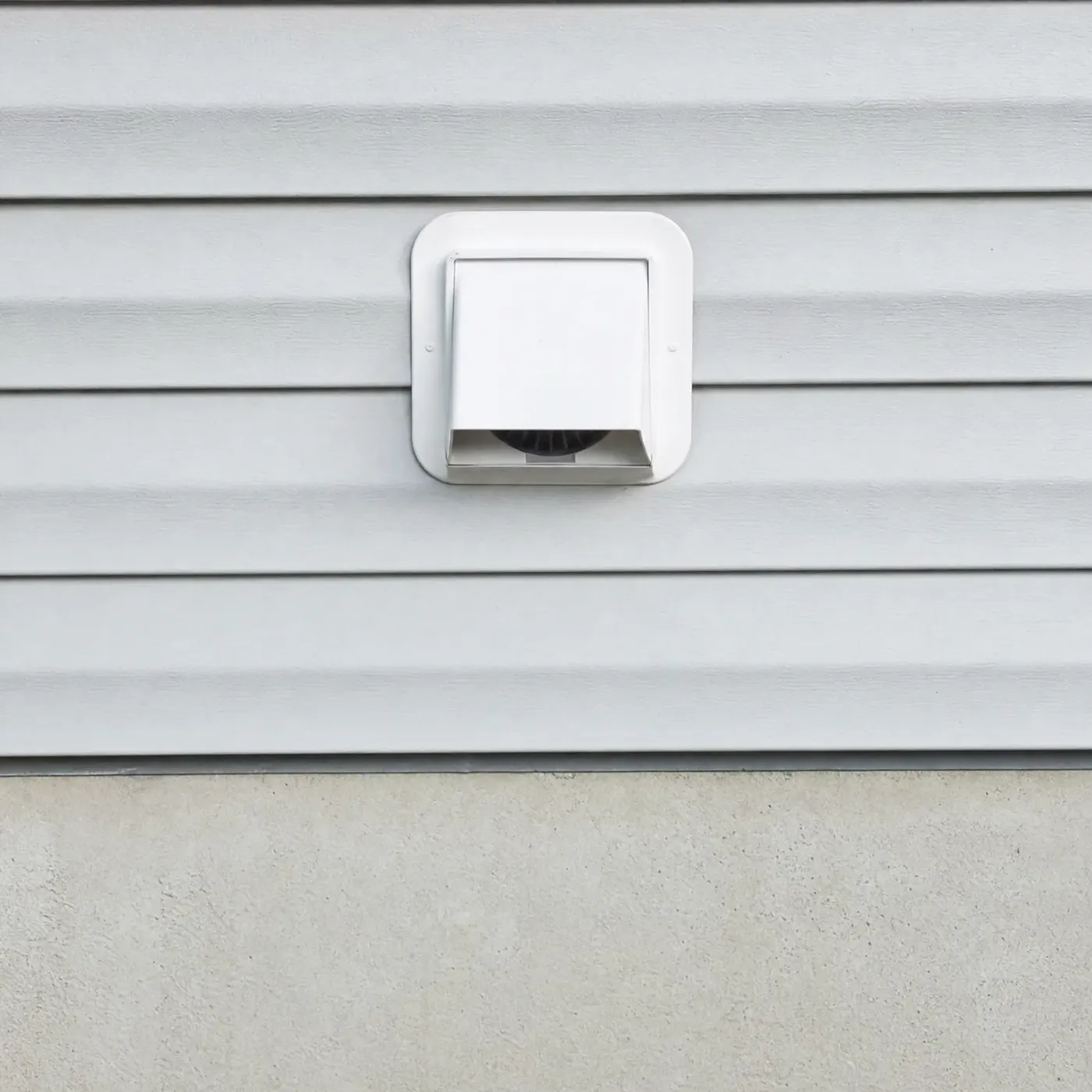
A white square dryer vent hood with a hinged flap mounted on light gray horizontal siding above a concrete foundation wall.

The hood flap swings free

Air pushes the flap open with every cycle and it falls back shut when the dryer stops. Nothing has built up around the opening. One cycle gets a full load dry, and the dryer shuts off on its own timer instead of running long after the clothes are done.

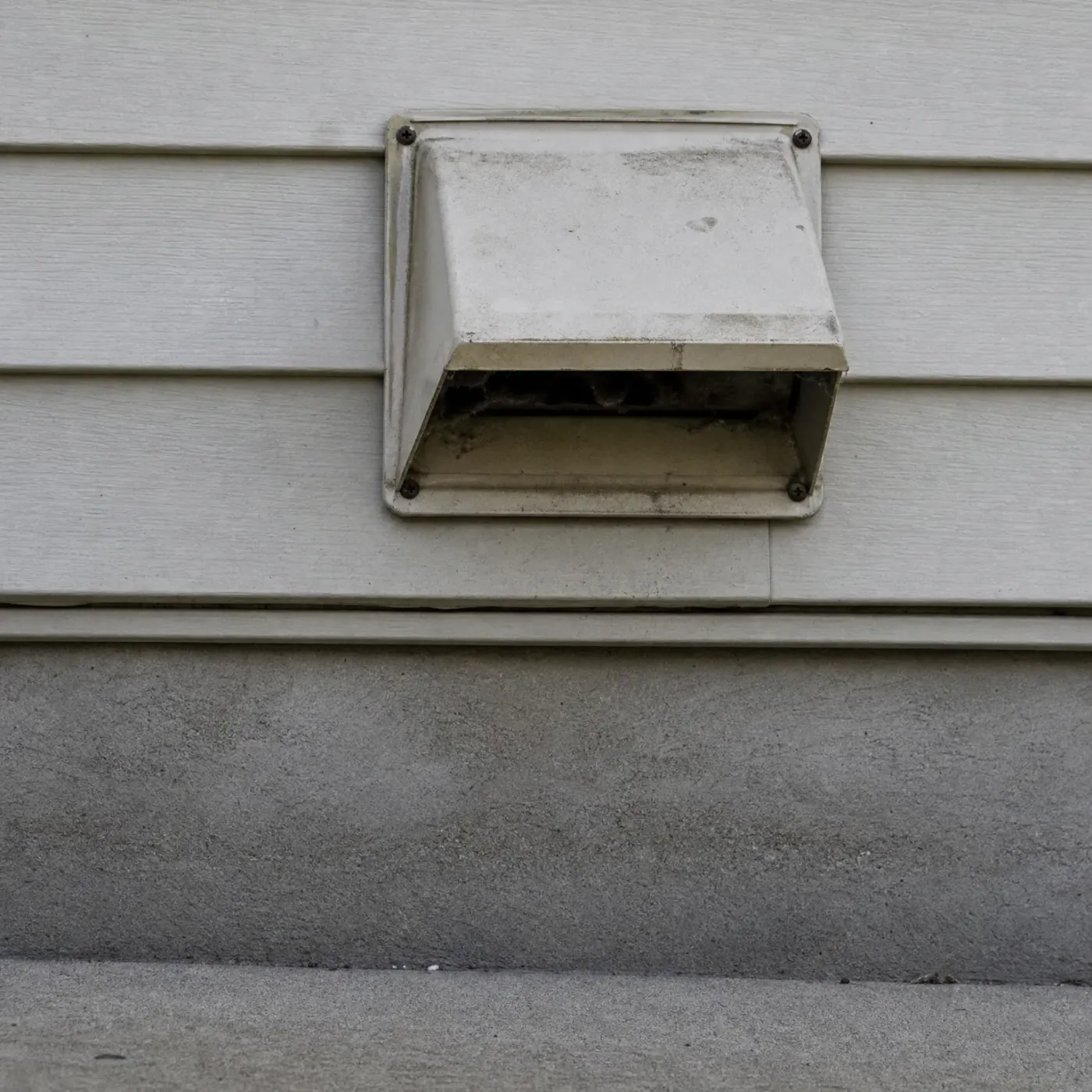
A white plastic hooded dryer vent screwed into light gray horizontal lap siding above a concrete foundation wall, with lint and dirt visible inside the vent opening.

Lint has built up around the opening

The flap barely lifts because the air behind it has slowed down. Dirt and lint are collecting at the vent itself, not just somewhere down the duct. A dryer vent in this shape is why a load that used to take 40 minutes now takes two cycles.

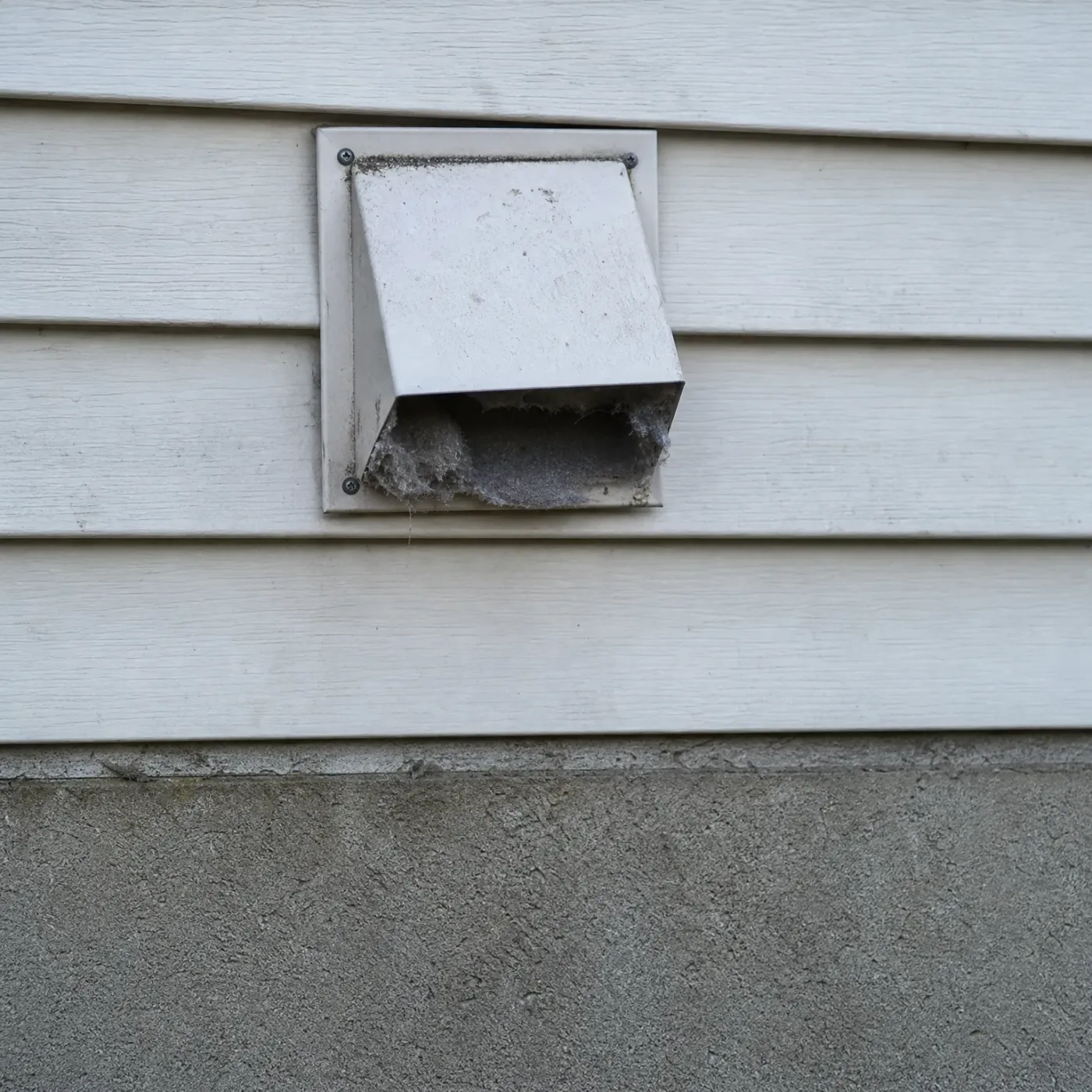
A white hooded dryer vent mounted on light-colored lap siding above a concrete foundation, with lint clogging its opening.
Before you get your dryer vent cleaning
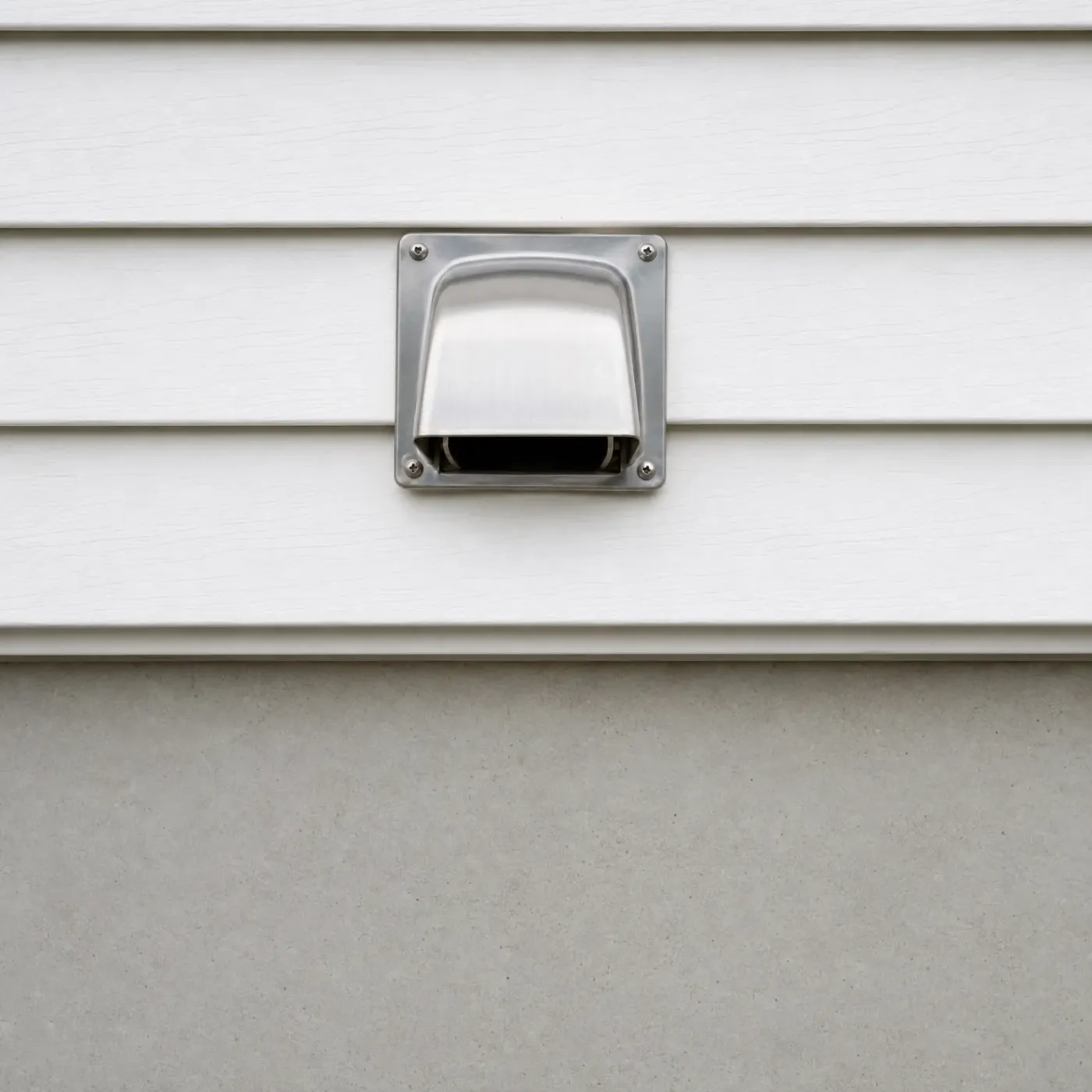
A stainless steel hooded dryer vent with four corner screws mounted on white horizontal lap siding above a gray concrete foundation.
After you get your dryer vent cleaning
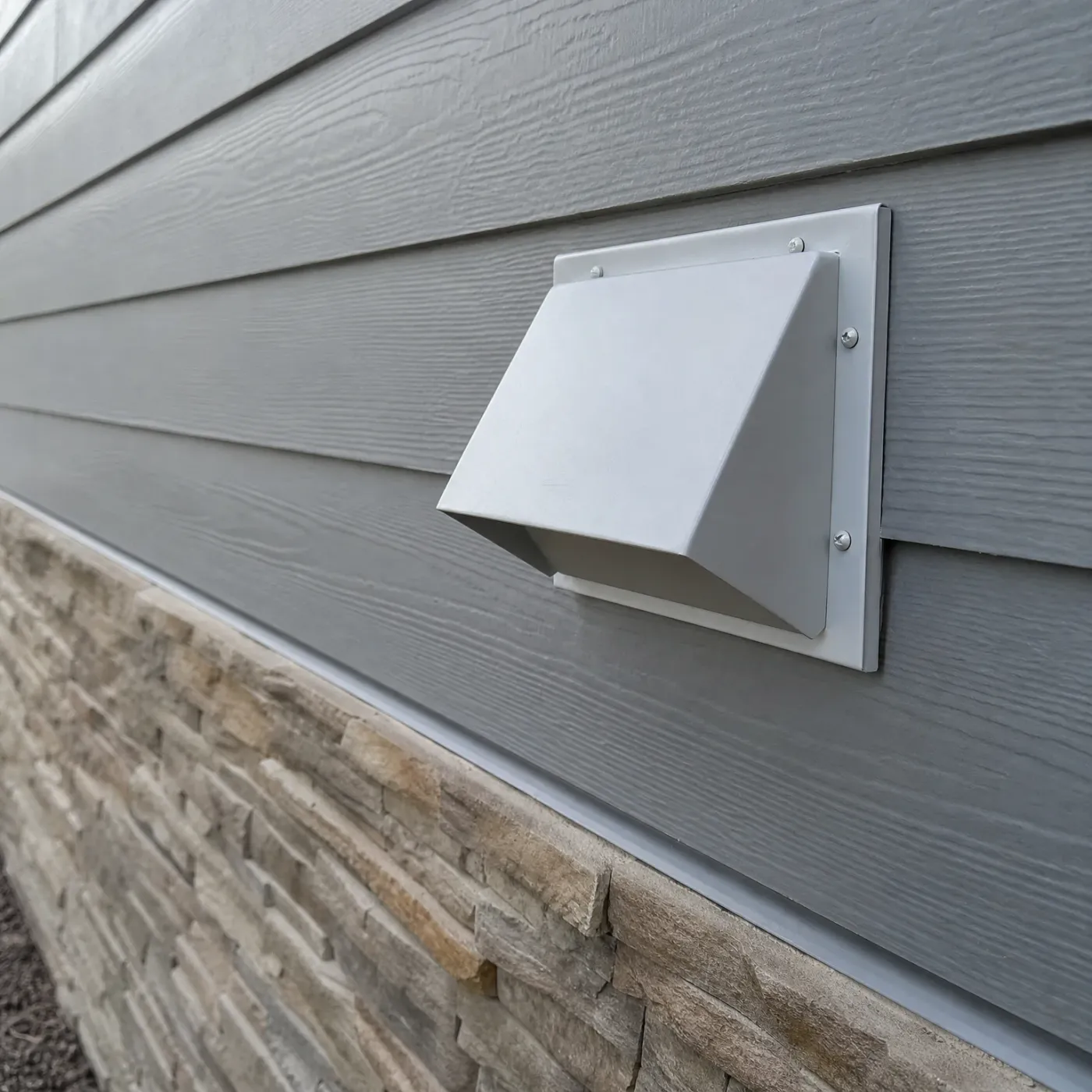
A white hooded exterior vent cover screwed to gray horizontal lap siding above a stacked stone veneer base.

Get your dryer vent to the right pro

Your request goes to one pro, not a list of companies.

Get matched with someone who does this kind of work in Brown County.

Request a pro

Sending the form costs nothing.

A man in a dark polo shirt and cap, seen from behind, walks up a paver path toward a woman standing in the open front doorway of a single-story stucco and stone house.

What a slow dryer is doing to your house

Every load that comes out damp costs you a second run, and that's heat pouring into the laundry room instead of into the duct outside. Open the dryer mid-cycle and feel the air. If it's hot and heavy with moisture instead of warm, that's air that should have left through the vent and didn't. Over a winter of daily loads in a two-person household, that adds up on the gas bill even though gas here is cheap.

It's not just the bill. A dryer that runs long and hot because the vent can't breathe is a dryer working harder than it was built to. The heating element and the motor both take the strain, cycle after cycle, and lint that isn't moving out through the hood is lint sitting in a hot duct. A local contractor who cleans vents in Brown County homes all winter can look at your setup, your duct run, and your hood, and tell you whether what you're seeing is lint buildup or something else in the system.

Living room interior with a light sofa holding a dark green cushion and a brown knit throw, a tall leafy plant by a black-framed window, a wooden coffee table with a round tray, and wooden shelves holding vases and books.
A white hooded dryer vent cover with a screened opening mounted on beige horizontal lap siding, with a blank white area filling the right side of the frame.

Running the dryer twice all winter

A long cold stretch makes a slow dryer worse, not better. Cold air entering the house replaces whatever the dryer is pushing out, so a duct that's already struggling moves even less air once the temperature drops. Running the dryer twice to get one load dry means twice the gas or electricity for that load, and it means warm, damp air sitting in the house instead of venting outside where it belongs. In Brown County winters, that's a habit worth catching early.

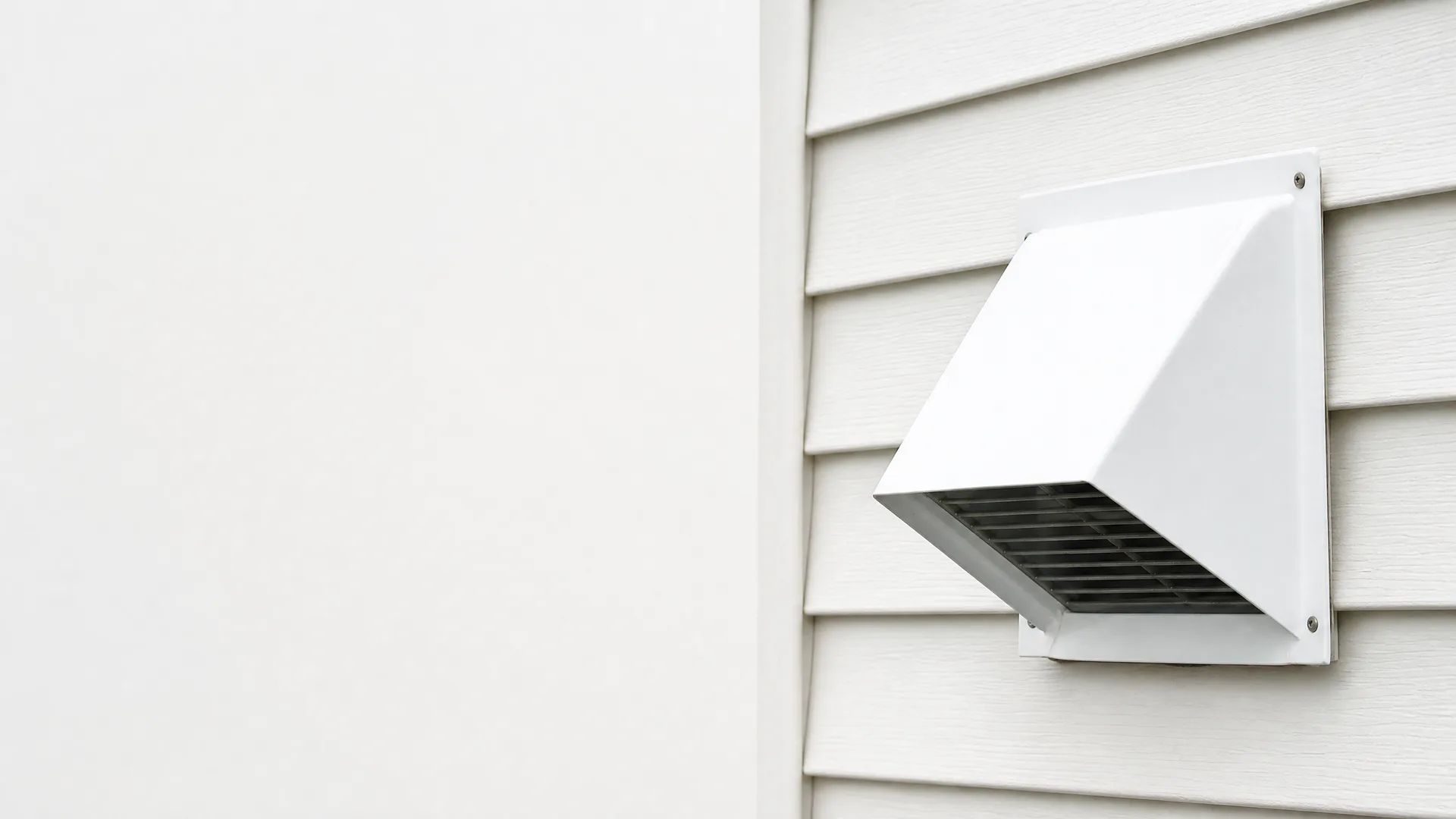
A white hooded exterior vent cover with louvered grille mounted on light-colored horizontal lap siding, next to a blank wall corner.

One cycle, one bill

A clear vent means the dryer runs its cycle once and shuts off. That's the whole difference. The motor and heating element work the same either way, but a clear path gets the moisture out the first time instead of leaving it in the clothes. Over a winter of near-daily loads for a typical household here, that adds up to a lot of cycles the dryer never needed to run. It also means less warm, wet air pushed into the laundry room instead of outside.

A dryer that won't dry in one cycle is telling you the vent isn't clearing the air it should. That's the whole answer, and it holds whether the duct runs ten feet or forty. Clean the vent and the hot, wet air goes where it's supposed to, out through the hood, and the dryer goes back to shutting off on its own instead of running twice. A contractor who services dryer vents around Brown County every winter has seen what builds up in these ducts and where it tends to collect, hood flaps packed stiff, long runs choked halfway through. That's the kind of job suited to one visit from someone who knows the equipment, not several companies working the phones at once. You'll be matched with one licensed contractor local to Aberdeen, and they'll reach out to sort out your vent directly. You don't need to run the dryer twice through another cold stretch to know something's wrong. You already know. What's left is getting the vent cleared before the next load goes in.

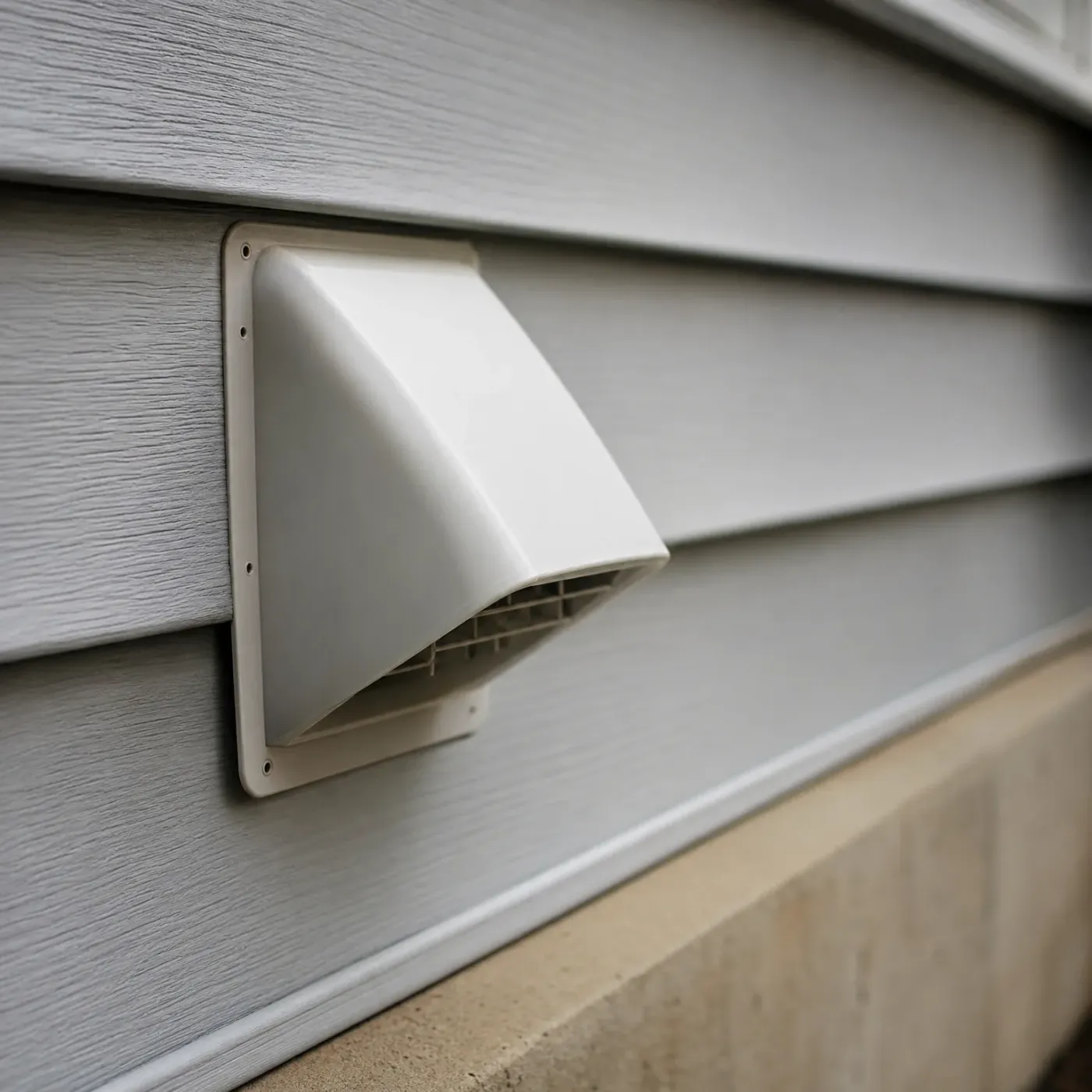
A white plastic hooded dryer vent with a louvered grille mounted on gray horizontal vinyl siding above a concrete foundation.

Find a dryer vent cleaning pro in Brown County

Reach a local pro

The pro who gets in touch is licensed in South Dakota and works in Brown County.

You're not committing to anything by asking.