Is a clogged dryer vent a fire risk in South Dakota

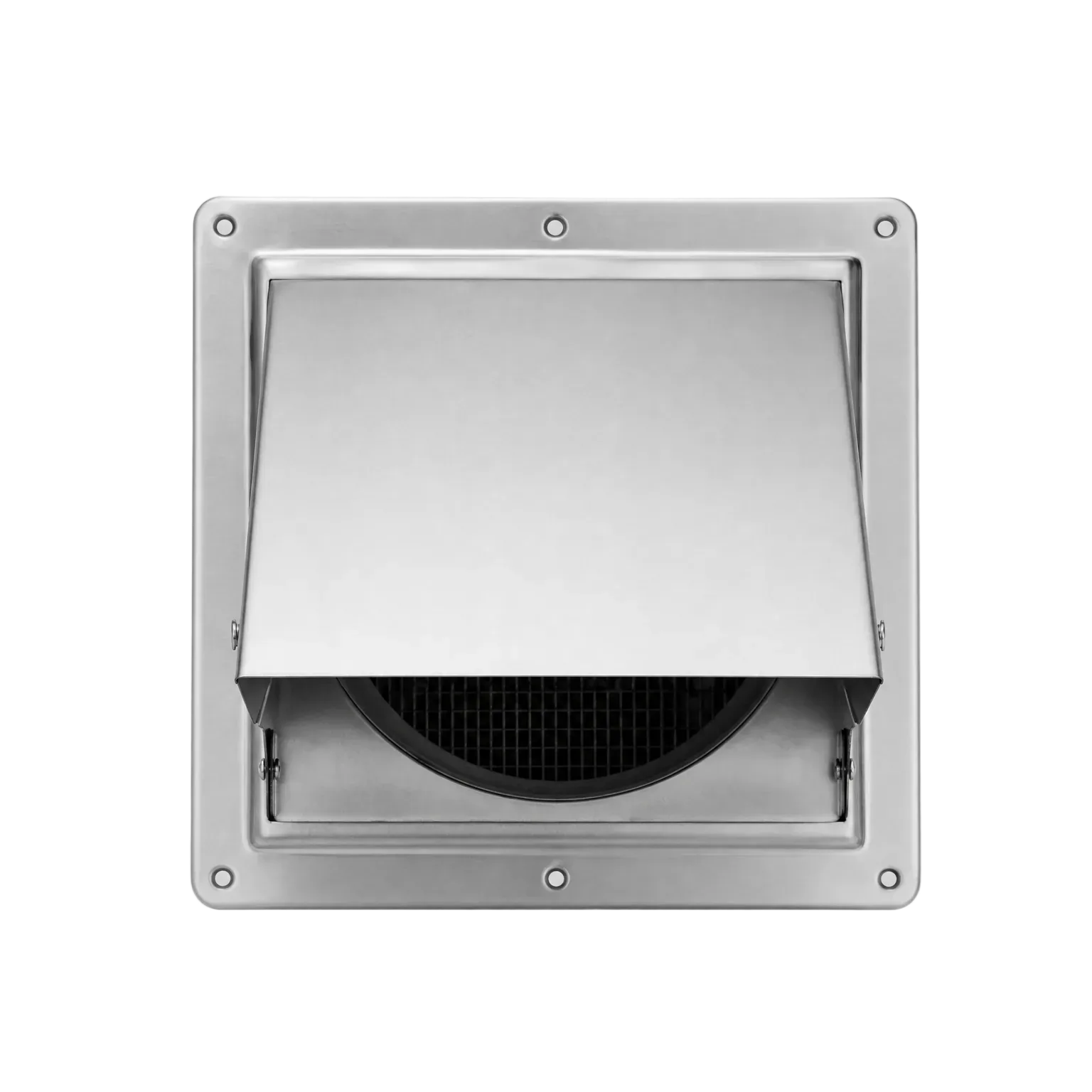
A square stainless steel wall vent hood with a hinged flap cover and a round mesh-screened duct opening, shown centered against a plain light gray background.
Get a local pro

Is a clogged dryer vent a fire risk in South Dakota

You run the dryer most weeks of the year, and you've heard that lint buildup can start a fire. You're not sure if that's really true or just a scare story, and you want to know if it's something to actually check on your own dryer, or just general advice that doesn't apply to your situation.

Yes, a clogged dryer vent can start a fire

Lint is the fuel. It builds up inside the vent line every time you run a load, and it catches fire easily when it sits against the heat of the dryer's drum. A clogged vent traps that heat instead of letting it escape outside, so the dryer runs hotter than it was built to. That heat has nowhere to go but back into the lint packed in the duct. Gas dryers add another risk, since a blocked vent can also push exhaust fumes back into your home instead of venting them outside. If your dryer takes longer than it used to, or the top of it feels hot to the touch, the vent is worth checking before you run another load.

A white louvered dryer vent hood mounted with four screws on beige horizontal lap siding above a gray stucco foundation and concrete walkway.

Clear vent, open airflow

Air moves straight out through the hood with every load. The louvers open when the dryer runs and close when it stops, keeping outside air and pests from coming back in. A clear vent also means the dryer isn't working harder than it has to.

A white plastic dryer vent hood mounted on beige horizontal vinyl siding, with lint clogging its lower opening and a concrete foundation below.

Lint packed in the hood

The louvers can't open against that much buildup, so hot, damp air backs up into the duct instead of venting outside. That trapped lint is the fuel, and heat from the dryer is right there with it. This is the setup behind most dryer fires.

Clogged Vent vs. Clear Vent

Clogged vent

  • Lint is the fuel. It catches a stray spark from the heating element and burns fast once airflow is blocked and heat has nowhere to go.
  • A dryer pushing against a blocked vent runs hotter than it was built to run, and that heat has nowhere to go but back into the machine.
  • Clothes coming out damp after a full cycle means the dryer is working against resistance somewhere in the line, not that the load was too big.
  • A burning or hot smell during the cycle means lint is heating up inside the vent, not just sitting there.
  • The flapper on the outside hood barely moves or stays shut even with the dryer running, a sign air isn't getting through.
  • Gas dryers depend on that exhaust path to carry combustion byproducts outside, so a blocked vent affects more than drying time.

Clear vent

  • Air moves out through the hood in a steady stream, and you can feel it push the flapper open within a few seconds of starting the dryer.
  • A full load of towels dries in one normal cycle instead of needing a second run to finish the job.
  • The outside of the dryer and the vent line stay close to room temperature during a cycle instead of warming up.
  • Lint collects in the trap where it's supposed to, not in the duct behind the machine where nobody checks it.
  • The hood's louvers snap shut as soon as the dryer stops, which only happens when air was actually moving through them.
  • A gas dryer vents its exhaust cleanly outside with every cycle, the way the line was built to handle it.
A pile of gray and taupe towels sits on top of a white laundry appliance in a dim room beside a window with trees and sunlight outside.

It's past eight on a Tuesday and you're still in the laundry room, going on the third load. The towels came out of the dryer warmer than usual, but not dry, just warm and damp, piled on top of the machine while you try to figure out whether to run them again. The room smells faintly like hot dust. Outside, the evening's gone cool and dry the way South Dakota evenings do, but in here the air feels close. You open the lint trap and it's clean, so that's not it. You're standing there doing the math on whether it's worth calling someone tomorrow or just running the load again and hoping.

A dryer vent pro near you

Once you send the form, finding a pro is off your list.

You're not committing to anything by asking.

A dryer vent fire needs three things already sitting in the duct: lint to burn, heat from the element, and no airflow to carry that heat back out. A clogged vent supplies all three at once.

Take the lint away and the fire has nothing to burn. That's what a vent cleaning does, start to finish, through the whole run of duct out to the hood.

A smiling bearded man in a dark green hooded jacket and blue t-shirt sits on a couch in a living room with shelves, a potted plant, and a bowl of popcorn on a wooden table.
A smiling man in a green long-sleeved shirt sits on a beige sofa in a living room, with a bowl of popcorn in the foreground, a large potted plant and shelving behind him.
A smiling man in a dark blue T-shirt sits on a couch in a dimly lit living room with a bowl of popcorn and a remote on a wooden table, a lit floor lamp and bookshelves behind him, and windows showing greenery.
A smiling bearded man in a dark green long-sleeved shirt sits on a leather couch in a living room, with a bowl of popcorn and a remote control on a wooden table in the foreground.

A dryer's heating element runs hot by design, and airflow is what carries that heat out before it has anywhere else to go. Block the vent and the air slows, so the heat stays near the element longer than it should. Lint won't ignite from a warm room, it takes something closer to 450 degrees, but a blocked vent can push conditions near the element that far even while the laundry room feels normal. Most dryers are built to shut themselves down before that happens, tripping a thermal fuse or high limit switch, which is why a dryer that suddenly won't heat is often telling you about a clog rather than anything wrong with the machine itself. The lint that matters most isn't always in the trap. It settles in the duct run, especially at bends and at the cap on the outside wall, where the moving air slows down and drops what it's carrying. A longer duct run, or one with a booster fan pushing air that wouldn't otherwise make the distance, gives a partial clog more room to act like a full one. And the duct material behind the machine, rigid metal versus vinyl or foil, changes how that heat gets handled if it ever does build up.

Where the heat actually builds

  • The heating element can reach several hundred degrees, and moving air is what keeps that heat from building past what the duct can handle.
  • Lint ignites around 450 degrees, a temperature a blocked vent lets the element's housing approach even though the room stays cool.
  • A clogged vent trips the thermal fuse or high limit switch first in most dryers, which is why a dead dryer is often the first sign of a blockage, not a fire.
  • The duct run itself, not just the lint trap, is where lint collects, especially at elbows and at the wall cap where airflow slows down.
  • A booster fan or a longer run past the typical limit makes a partial clog behave like a full one, since the dryer already has less push to clear it.
  • Rigid metal duct resists heat better than vinyl or foil duct, so the material behind the dryer matters as much as how often it gets cleaned.
A wall-mounted plastic dryer vent hood on light-colored horizontal vinyl siding, clogged with lint and debris hanging from its opening, above a gray painted foundation.
Before you get your dryer vent cleaning
A white hooded dryer vent with a louvered grille screwed to beige horizontal lap siding above a lighter foundation wall.
After you get your dryer vent cleaning

Power costs 13.32 cents per kilowatt-hour statewide

At 13.32 cents a kilowatt-hour, running a clogged dryer longer and hotter to get clothes dry costs you more every load. Clear the vent and the dryer stops fighting itself, which is lighter on both your power bill and the risk sitting in that duct.

EIA-861 2025 statewide residential average

A woman stands in the open black front door of a white-sided house with a dark shingled roof while a man in a navy jacket approaches along the walkway, with lantern wall lights, a potted shrub, and flowering garden beds nearby.

A clogged vent is a real fire risk, and a checkable one

A clogged dryer vent in South Dakota is a fire risk for the same reason it would be anywhere: lint burns, the element gets hot, and a blocked duct keeps that heat from going anywhere but back into the machine. None of that changes with the season. What changes is how often you're running loads, and with power here cheap enough that nobody thinks twice about an extra cycle, a slow dryer doesn't get questioned the way it should. It just runs again.

You don't have to guess at the state of your vent or hope it's fine. A contractor who cleans vents for a living can look at yours, tell you what's actually built up in there, and clear it before it becomes the kind of problem you read about instead of the kind you prevented. Once you send the request, that part stops being something you have to figure out on your own.

A wooden table holding a stone vase with a bare branch, two stacked books and a small dark bowl, beside a window with green foliage outside and a sofa in the dim background.
A woman in a dark knit turtleneck sweater reclines on a couch under a cream knit blanket, looking down at an open book, with a lit table lamp and framed pictures behind her.
A smiling middle-aged man in a dark green sweater sits at a candlelit table with wine glasses and a plate of greens in a dimly lit interior.

Dryer Vent Cleaning

A local pro for your dryer vent cleaning

After you send the request, you're done searching.

A black smartphone standing upright against a plain light gray background, its screen filled with solid green.
Duct and vent cleaningSouth Dakota
Step 1 of 3

What kind of equipment?