Still cold upstairs
The blower keeps leaning on the easy path to the main floor, so bedrooms stay well below what the thermostat claims the house is running at.

Cold starts in South Dakota and the upstairs bedrooms still feel like winter while the main floor is warm enough to sit around in. You've checked the vents are open and the filter is clean, and it still doesn't add up. With how hard your furnace runs through a Dakota winter, a dead zone upstairs isn't something to live with until spring.
Warm air naturally drifts up on its own, so the real problem usually isn't a lack of heat, it's distribution. If your ductwork wasn't sized or balanced to push enough air up a second story, the furnace sends most of what it makes to the rooms closest to it. A clogged filter or a duct that's come loose or crushed somewhere in a wall cavity makes this worse, since the blower has to fight harder to reach the far end of the system. With the cold stretch South Dakota winters bring, a furnace already running long hours just won't make up for air that isn't getting where it needs to go.

You wake up at 2 a.m. because your feet are cold outside the blanket. The house is quiet, the kind of quiet that means the furnace isn't running. Out in the hallway the vent makes no sound at all, and when you crouch down and hold your hand near it, nothing comes back. The window at the end of the hall has frost crawling up from the sill. Downstairs the thermostat still reads warm. Up here it doesn't matter what the thermostat says. You stand in the hallway in the blue dark, breath just barely visible, and you know this isn't a settling-in-for-winter kind of cold. Something upstairs isn't getting heat at all tonight.
Furnace fires and pushes heated air into the main trunk line.
Air splits off into branch ducts feeding each floor's vents.
Upstairs branches run longer and climb higher than main floor runs.
Heat loss and friction along the way cost the upstairs air pressure.
You can probably list it without thinking. The thermostat reads fine downstairs but the upper hallway feels closer to the air outside than the air in the house. Bedroom doors stay shut to hold in whatever heat made it up there. Someone in the house has started sleeping in another layer, or under a second blanket, because the vent in their room barely moves air even when the furnace is running. If this has gone on more than a season, check the drywall near upstairs windows and in closet corners for soft spots or staining. Cold rooms hold more moisture than warm ones, and over a winter or two that moisture has somewhere to go.




A furnace that keeps the main floor warm while the upstairs stays cold usually isn't failing all at once. It's a dial-in problem, a duct problem, or a part that's wearing out and showing it first as weak airflow to the far end of the system. Figuring out which one takes someone standing in your attic or crawlspace with a hand on the actual ductwork, not a guess over the phone. A contractor working furnaces in South Dakota winters sees this same complaint from this same kind of two-story layout often enough to know where to look first. Your request goes to one local contractor who takes on this kind of job regularly, not out to a handful of companies competing for the callback. That means someone who already knows what tends to go wrong in homes built the way yours was, looking at your system specifically, instead of you fielding calls while the upstairs stays cold another night.
Warm air rises on its own, but it still has to get upstairs through the same ducts, against the same friction, as the air headed to your living room. A furnace that's low on airflow sends what it has to the easiest path first.
That's usually the main floor, the shortest run from the furnace. The upstairs bedrooms sit at the end of the longest branch, so they're the first to lose ground and the last to get it back.


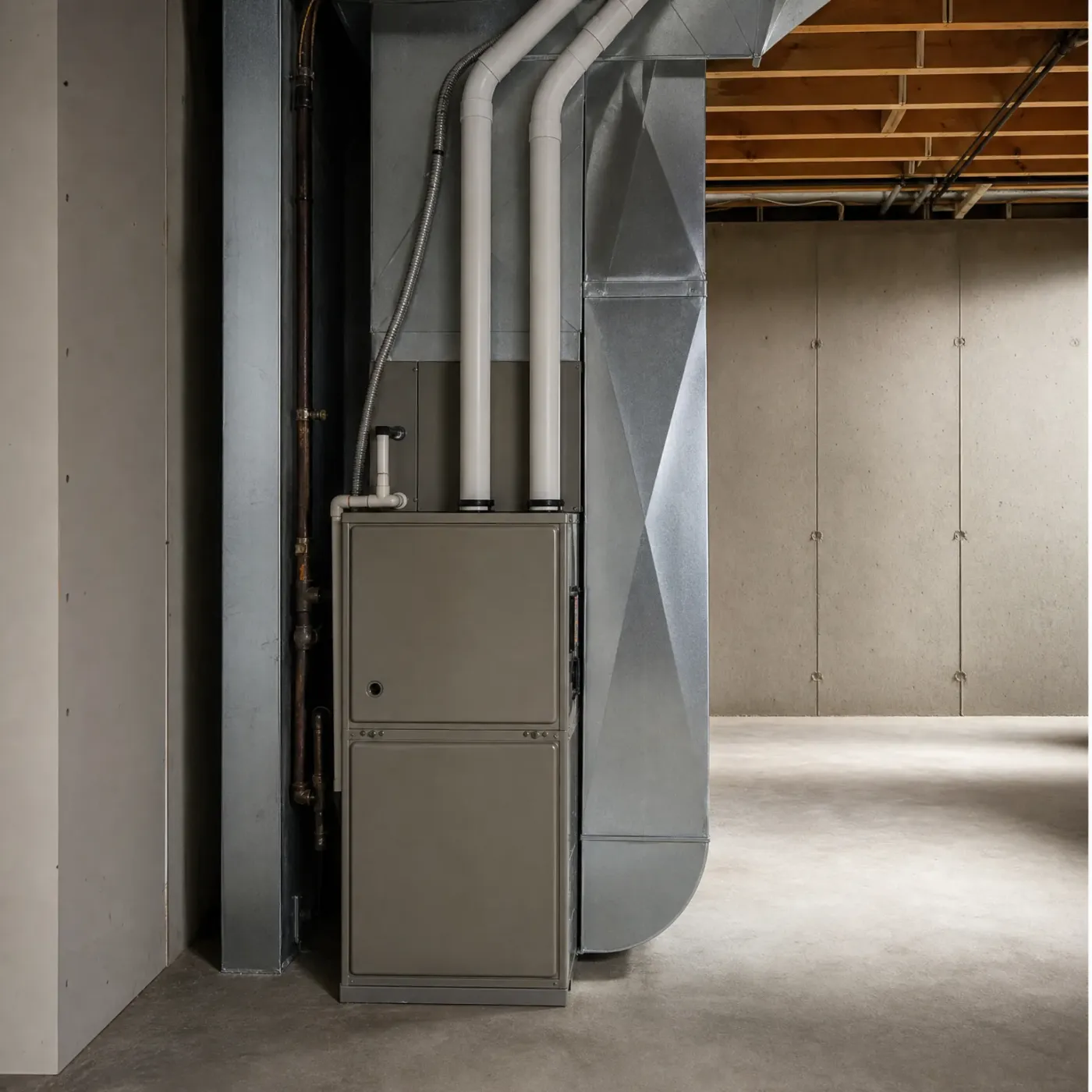
Most of these causes have nothing to do with the furnace itself. They're in the ducts, and they're the kind of thing you'd never spot without pulling off a register or getting into the attic. A zone damper is a motorized plate inside the trunk line that opens and closes to send air where it's told to. If the motor fails or the linkage sticks, it can seal shut and the upstairs branch gets nothing while the rest of the system runs normal. Static pressure is the resistance the blower fights against every time it pushes air through the ducts, and when it's too high, the blower stops working hard enough to reach the far end of the system. It sends warm air to whichever path offers the least resistance, which is almost always the main floor. Return ducts matter just as much as supply ducts. If the upstairs return is too small, air gets forced up but has nothing pulling it back down, so it stalls. Flex duct can also collapse behind a wall or in a tight joist bay, cutting the opening down to a fraction of its size with no outward sign anything's wrong. And a blower set to the wrong speed tap, something a contractor adjusts at the furnace control board, can move plenty of air for a one-story load but fall short once a second floor is added to the run. Any one of these can produce the exact thing you're feeling right now.


The blower keeps leaning on the easy path to the main floor, so bedrooms stay well below what the thermostat claims the house is running at.
A tech who works on furnaces all winter here can find why the upstairs loses out and get warm air moving where it's supposed to go.
An 11°F night is working against your upstairs the whole time it runs. That's a big gap for warm air to close before it ever reaches the far end of a duct run, and a furnace that's already losing ground to friction and height loses more of it on a night this cold.
NOAA nClimDiv 1991-2020 county normals weighted by homes


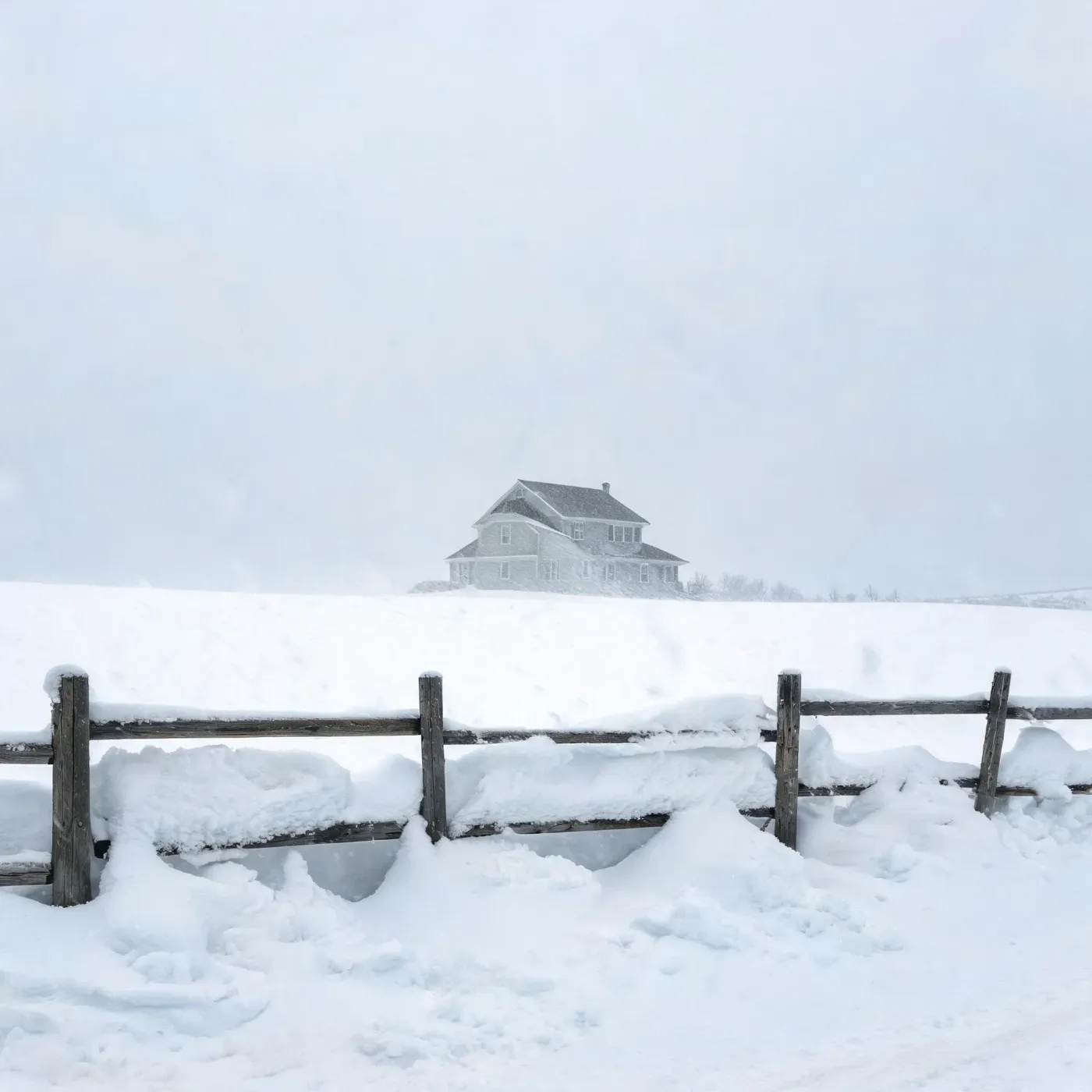
Winter nights average 11°F across South Dakota, according to NOAA climate data. At that temperature your furnace isn't just topping off heat loss, it's fighting a house that's losing warmth fast through the walls and windows upstairs. A furnace running flat out all night still has to push that warm air up and over a longer, higher duct run before it ever reaches the bedrooms. On a mild night it might manage that with some margin to spare. At 11°F there's no margin left, so any weak point in the system, a duct run that's too narrow or a blower losing strength, shows up first as a cold upstairs while the main floor stays fine.
NOAA nClimDiv 1991-2020 county normals weighted by homes
The cold upstairs isn't something you have to live with until spring. It's a furnace that's losing the fight somewhere between the blower and the far end of the duct run, whether that's a stuck damper, a duct sized too small, or a blower that's lost its strength. A tech who works on furnaces through South Dakota winters has seen this exact complaint plenty of times, main floor fine, upstairs cold, and knows which of those causes to check first. Once a furnace repair request goes in, finding someone to sort through it stops being on you. You get matched with one licensed contractor local to you, not a handful of companies competing for the callback, and that contractor is someone who services this equipment all season and knows what tends to fail when the upstairs can't keep up. Your part was figuring out something was wrong. What happens next is someone qualified sorting out which of these it is and fixing that, so the upstairs holds heat the way the main floor already does.
Only one pro gets your request, so you hear from one company.
There's no charge for the request.