
HVAC Installation in Milbank, SD
A new system here will heat from September through May and cool from June through August every year. Tell us about the house, and a licensed contractor who covers Grant County will get in touch.
Tell us about the job
It takes about a minute.

Milbank asks a lot of a heating and cooling system
Winter nights here average 7°F from December through February, and homes need heat from September through May. That is nine months of the year your furnace has to work, with plenty of nights well below zero. Summer is short by comparison, three months of cooling with afternoons averaging 80°F, but that still leaves only a couple months when the system rests at all.
Grant County has logged 52 winter storms and 46 damaging wind events over the past ten years. A new furnace and air conditioner here need to hold up through hard cold, quick summer heat, and the storms that come with both. Sizing the equipment right for those swings matters more than picking the biggest unit available.
- 9 months
- September through May, your system heats
- 3 months
- June through August, it cools
- 7°F
- the average winter night it heats against
- 80°F
- the average summer afternoon it cools against
NOAA nClimDiv, 1991–2020 normals
In South Dakota, HVAC licensing for homes is left to the cities and towns.
South Dakota does not test or license HVAC contractors at the state level. Whatever rule applies in Grant County comes from the city or town where the house sits, not from a state board or a state record. That means there is no statewide list to check and no state exam standing behind the work. What exists instead depends on the local building office.
For a heating and cooling installation, the protection that matters here is the permit and inspection most cities and counties require when a furnace, air conditioner or heat pump gets replaced. That permit puts the job on record with the local building office, and the inspection that follows checks the work once it is done, including the gas and electrical connections that make the install dangerous if done wrong. South Dakota leaves that check to the city, not to a state license.
Source: South Dakota Legislature
- When should I replace my HVAC system?
- Replace it when repairs start piling up or the system can't keep the house comfortable through the winter. Homes here need heat from September through May, so a furnace that struggles early in that stretch is only going to get worse once temperatures drop toward the winter average of 7°F. If you're calling for repairs most years and the cost of keeping it going keeps climbing, replacing it before it fails is worth planning for. A contractor can look at the specific unit and tell you where it stands.
- Should I replace my furnace and air conditioner at the same time?
- If they're close in age, yes, it usually makes sense to do both at once. A furnace and air conditioner often share a coil and blower, and pairing a new one with an old one means the two may never run as well together as a matched set would. Homes here need heat nine months of the year and cooling just three, so the furnace carries the heavier load and tends to wear out first. If both units are getting old together, replacing them together is worth asking a contractor about.
- What happens during an HVAC installation?
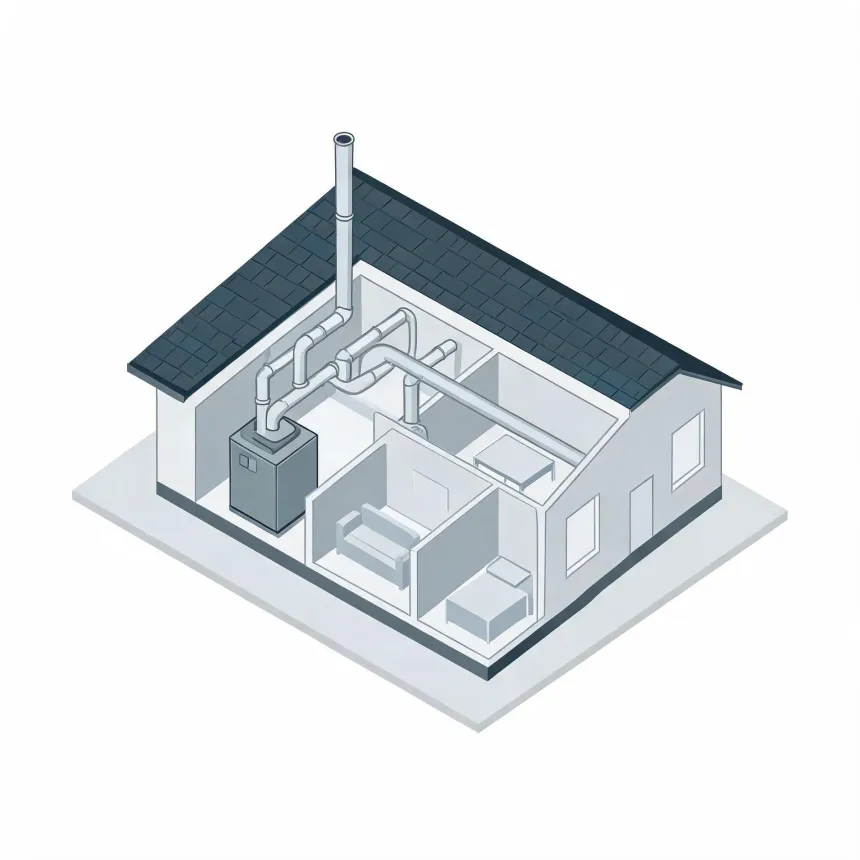
- A contractor removes the old furnace or air conditioner, sets the new one in place, and connects it to the ductwork, gas line or refrigerant lines, and electrical. The system gets tested to make sure it's heating or cooling correctly and that the thermostat is communicating with it the way it should. In most cities and counties around Milbank, this work needs a permit from the local building office and an inspection once it's done, since South Dakota leaves HVAC licensing rules to the city or town rather than the state. A contractor familiar with the local office will know what that town requires.