
HVAC Repair in Milbank, SD
Homes here need heat from September through May and cooling from June through August. If your system quits, tell us what it's doing and a licensed contractor who covers Grant County will get in touch.
Tell us about the job
It takes about a minute.
Nine months of heat, three of cooling, and not much break
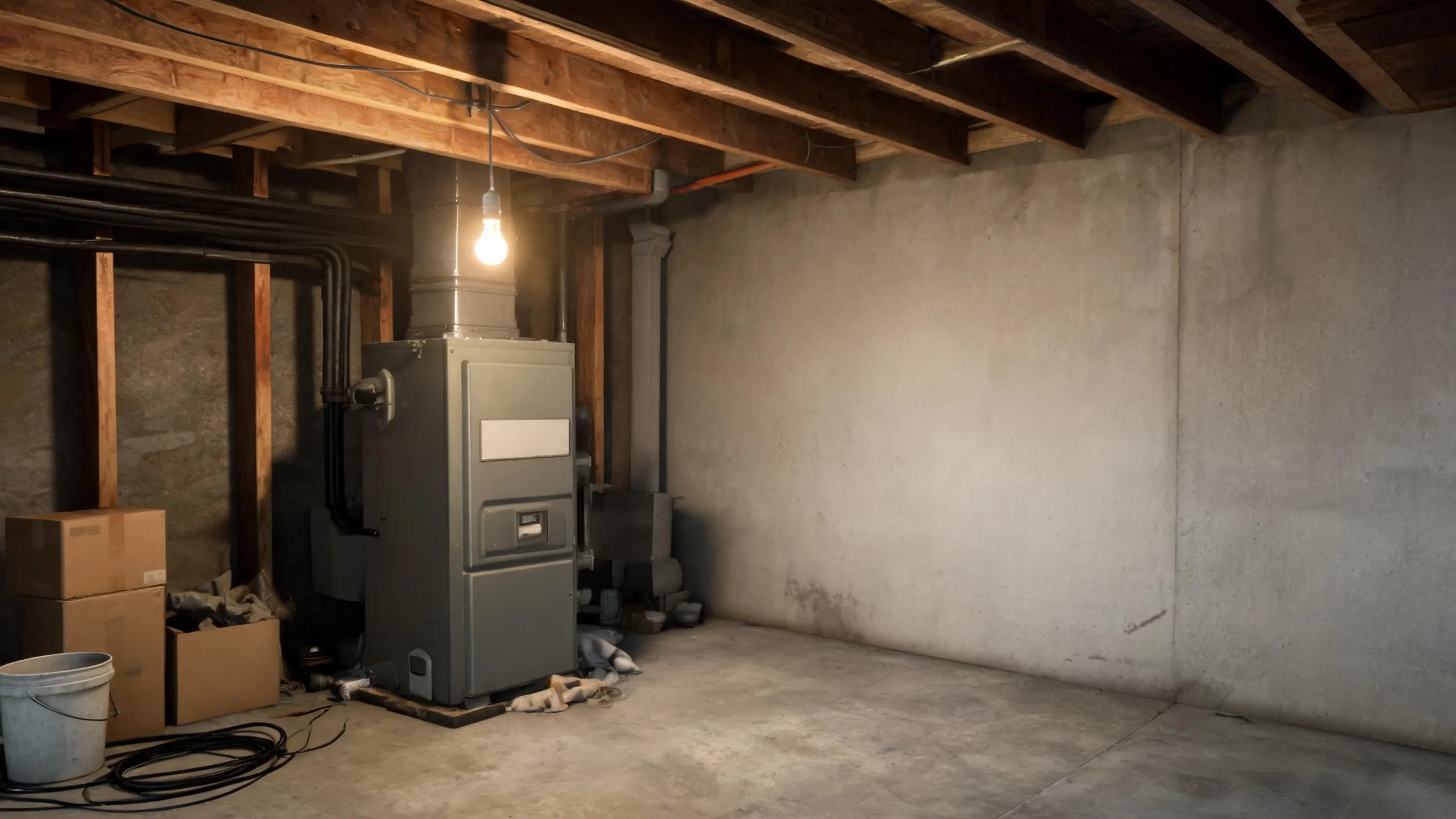
Your furnace in Milbank runs from September through May. Winter nights average 7°F through those months, and the burner is cycling on and off through all of it. Every start puts wear on the igniter and the parts that light the burner. When one of those parts finally gives out, it tends to happen on the coldest nights, which is when the furnace is working hardest.
Summer asks less of the system here, just June through August, with afternoons averaging 80°F. But Grant County has logged 46 damaging wind events and 52 winter storms over the past ten years, and either one can knock an outdoor unit out of alignment or damage a line. With heat or cooling needed all 12 months of the year, this system does not get much of a break to recover from that kind of stress.
- 9 months
- September through May, your system heats
- 3 months
- June through August, it cools
- 7°F
- the average winter night it heats against
- 80°F
- the average summer afternoon it cools against
NOAA nClimDiv, 1991–2020 normals
In South Dakota, HVAC licensing for homes is left to the cities and towns.
South Dakota does not license HVAC contractors at the state level. Whether this repair requires a license depends on Grant County or whatever town the house is in, since that is where the rule would come from, not the state.
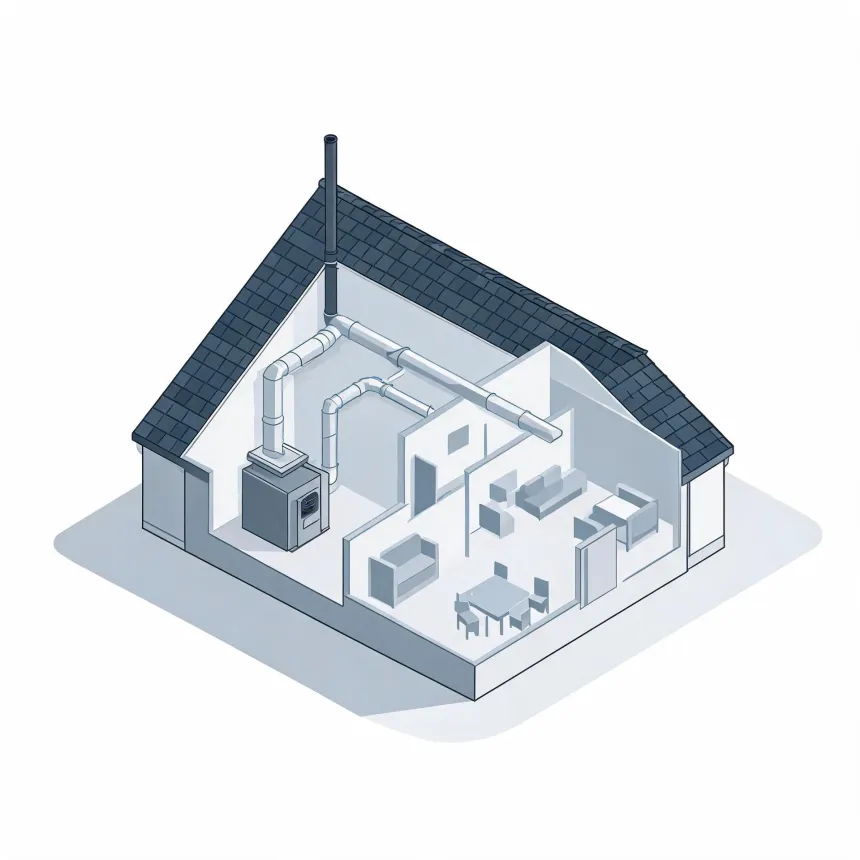
With no state license behind this job, there is no state record of who did the work or what they were tested on. Repairing a heating and cooling system often means handling the gas side, and a bad connection there is the dangerous part of the job. Whether anyone checks that here depends on what Grant County or the local town has set up on its own.
Source: South Dakota Legislature
- Why is my heat not working?
- Most often it's the igniter, the flame sensor, or a clogged filter choking off airflow. If the furnace won't even start, check that the thermostat has power and the filter isn't packed with dust. With winter lows here averaging 7°F, a furnace that's short cycling or blowing cold air needs attention fast, since it won't just be an inconvenience overnight. If the burners light and then shut off again, that's usually the flame sensor telling the system something is wrong, and it's not something to keep resetting on your own.
- Why is my system running but not cooling the house?
- The blower could be running while the compressor outside isn't, which means air is moving but it's not getting cold. Go outside and check whether the outdoor unit's fan is spinning and you can hear the compressor. If it's silent out there, the problem is likely electrical or the compressor itself. If the outdoor unit is running fine but the air from your vents is barely cool, check the filter first. A filter clogged with dust cuts off airflow across the indoor coil, and that can ice it up, which stops it from pulling heat out of the air at all.
- What can I check before calling for HVAC repair?
- Start with the thermostat. Make sure it has power, batteries if it uses them, and is actually set to heat or cool rather than sitting on fan or off. Next, check the filter. A filter that's gray and packed with dust restricts airflow enough to cause real problems on both the heating and cooling side. Check that the breaker for the furnace or the outdoor condenser hasn't tripped. If your system uses a standing pilot light, check that it's still lit. None of this fixes everything, but it rules out the easy things before a contractor even walks in the door.