
HVAC Installation in Sisseton, SD
A new system here will heat from September through May and cool from June through August every year. Tell us about the house, and a licensed contractor who covers Roberts County will get in touch.
Tell us about the job
It takes about a minute.

A system that works nine months of the year
Winter nights in Sisseton average 6°F, and homes here need heat from September through May. That is nine months of the year the furnace has to be sized right and running well. Summer only asks for three months of cooling, with afternoons around 80°F, but a new system still has to handle both jobs since the calendar barely gives the equipment a break.
Roberts County has logged 54 winter storms and 115 damaging wind events over the past ten years. A furnace or heat pump going in here needs to hold up through that, not just the cold. Almost half the homes in the area heat with propane, so whatever gets installed has to match the fuel already running to the house.
- 9 months
- September through May, your system heats
- 3 months
- June through August, it cools
- 6°F
- the average winter night it heats against
- 80°F
- the average summer afternoon it cools against
NOAA nClimDiv, 1991–2020 normals
In South Dakota, HVAC licensing for homes is left to the cities and towns.
South Dakota has no state HVAC license. That decision is left to cities and towns, so whether an installer needs a local license depends on where the house sits. A state license comes with a test and a record the state keeps. Here, that record only exists if the town chooses to keep one.
What stands in for that in most places is the permit process. Installing a furnace, air conditioner or heat pump normally needs a permit from the local building office, and the finished work gets an inspection when it is done. That is the check this job gets in most places, in place of a license number.
Source: South Dakota Legislature
- When should I replace my HVAC system?
- Replace it when repairs get frequent, when it can't keep the house comfortable, or when it's old enough that a breakdown is just a matter of time. Homes here need heat or cooling all year, nine months of heat and three months of cooling, so the system runs harder than it would somewhere with a shorter season. A cracked heat exchanger, a compressor that's failing, or a repair bill that costs a big share of a new system are all signs it's time. If your furnace has quit in the middle of a 6°F night more than once, don't wait for a third time.
- Should I replace my furnace and air conditioner at the same time?
- If both are old, it usually makes sense to do them together. They're often matched to work as a pair, and a new air conditioner paired with a furnace near the end of its life means separate labor and losing the benefit of a system built to work as one unit. It's not a rule though. If your furnace is only a few years old and the air conditioner failed on its own, replacing just the one that's broken is the right call. A contractor can look at the age and condition of each and tell you whether pairing them makes sense for your house.
- What happens during an HVAC installation?
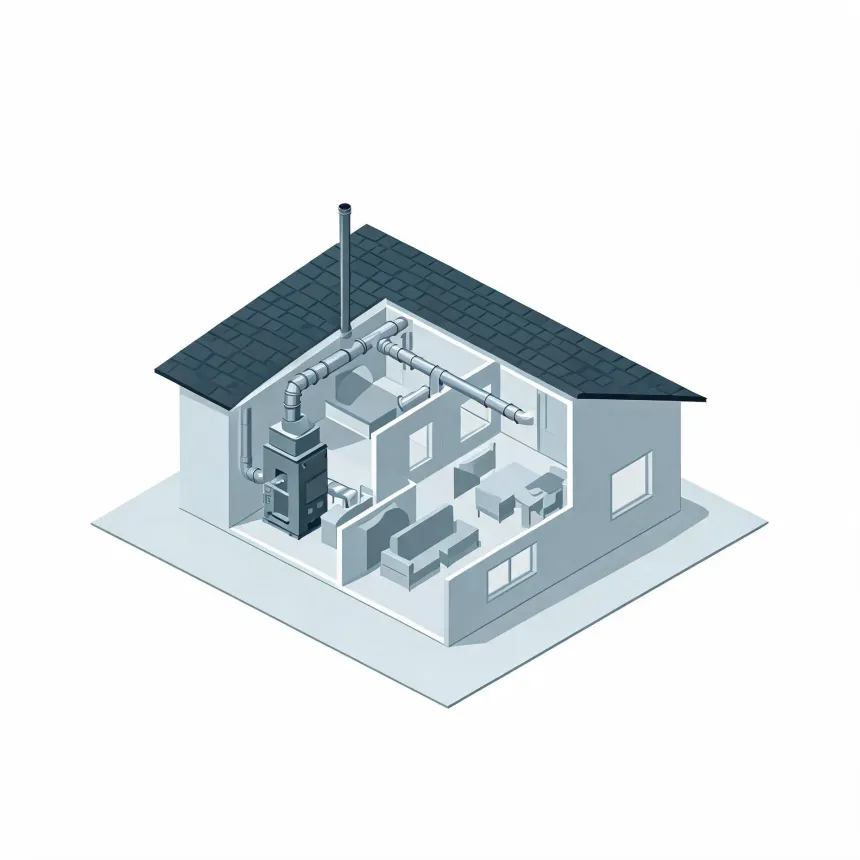
- A contractor removes the old equipment, sets the new furnace, air conditioner or heat pump in place, and connects it to the ducts, gas line or electrical circuit, and the vent hood or flue. Refrigerant lines get connected and tested if it's an air conditioner or heat pump, and the gas or electrical connections get checked before the system is fired up and run through its paces. In most cities and counties around Sisseton, this work needs a permit from the local building office and an inspection once it's done, since South Dakota leaves HVAC licensing and permitting to the individual towns. A contractor pulling the permit is a sign the work will be checked and signed off, not just installed and left.