
HVAC Installation in Hot Springs, SD
A new system here will heat from September through May and cool from June through August every year. Tell us about the house, and a licensed contractor who covers Fall River County will get in touch.
Tell us about the job
It takes about a minute.
Hot Springs asks a new system to work almost every month of the year
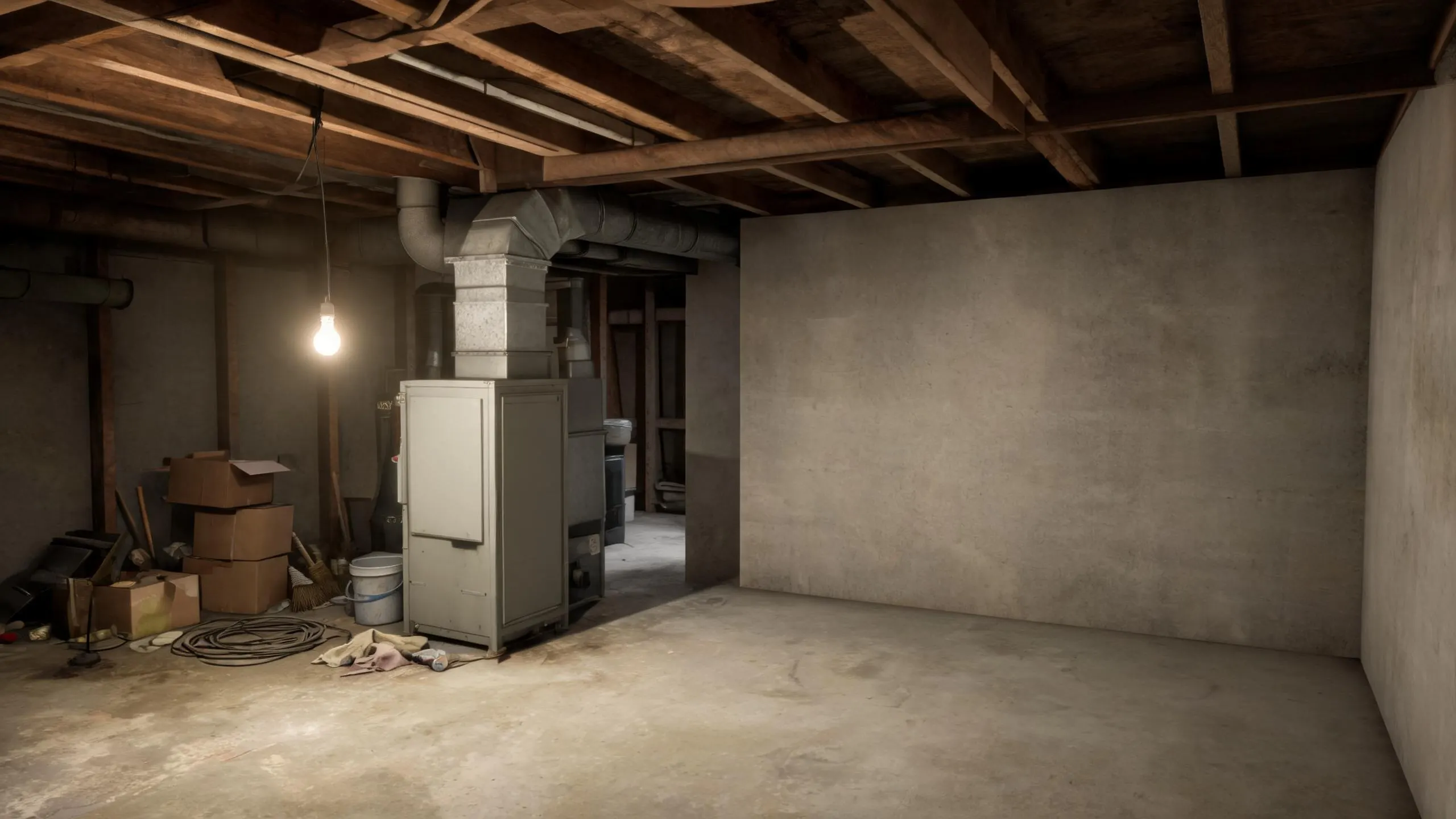
Winter nights here average 14°F, and homes need heat from September through May. That is nine months of the year a furnace or heat pump has to hold up. Summer only asks for three months of cooling, June through August, but 85°F afternoons still put real load on a system.
Between the two seasons, a heating or cooling system here is working close to twelve months a year. The area has also logged 59 winter storms and 154 damaging wind events over the past ten years. A new system needs to be sized and installed to handle a long, cold winter and a run of hot summer afternoons, and to keep working through the storms and wind that come with living here.
- 9 months
- September through May, your system heats
- 3 months
- June through August, it cools
- 14°F
- the average winter night it heats against
- 85°F
- the average summer afternoon it cools against
NOAA nClimDiv, 1991–2020 normals
In South Dakota, HVAC licensing for homes is left to the cities and towns.
South Dakota has no state HVAC license, and Fall River County does not run one either. Whether a contractor needs any local license at all depends on the city or town the house is in, so there is no single record covering the whole state or county.
In most cities and counties here, installing a new furnace, air conditioner or heat pump needs a permit from the local building office, with an inspection once the work is done. That inspection is what checks the gas connections and the finished install, since there is no state license behind the contractor to catch a bad one first.
Source: South Dakota Legislature
- When should I replace my HVAC system?
- Replace it when repairs get frequent, the unit is old, or it can't keep up on the coldest nights or hottest afternoons. A furnace working hard through nine months of heating a year, December through February lows near 14°F, wears faster than one in a milder climate. If a contractor is telling you the same part is failing again, or your energy bills keep climbing while comfort keeps dropping, that's a system nearing its end rather than one needing another patch.
- Should I replace my furnace and air conditioner at the same time?
- If both are old, replacing them together is often the better route, but it depends on the condition of each. A furnace and AC installed at different times can end up mismatched, and an old blower paired with a new coil doesn't always perform the way either was designed to. Since homes here run heat nine months and cooling three, both halves of the system get real use every year, so if one is already near the end of its life, the other usually isn't far behind. A contractor can check both and tell you honestly whether one needs to go now or if it makes sense to wait.
- What happens during an HVAC installation?
- A contractor removes the old furnace, air conditioner, or heat pump and puts in the new equipment, connecting it to the existing ductwork, gas line or electrical circuit, and thermostat. Before that happens, most cities and counties around Hot Springs require a permit from the local building office, since South Dakota leaves HVAC licensing and rules to the cities and towns rather than the state. After installation, the work usually gets inspected to confirm it was done to code. The contractor will also test the system, check for proper airflow, and make sure everything is running before calling the job done.