
HVAC Installation in Batesland, SD
A new system here will heat from October through May and cool from June through August every year. Tell us about the house, and a licensed contractor who covers Oglala Lakota County will get in touch.
Tell us about the job
It takes about a minute.
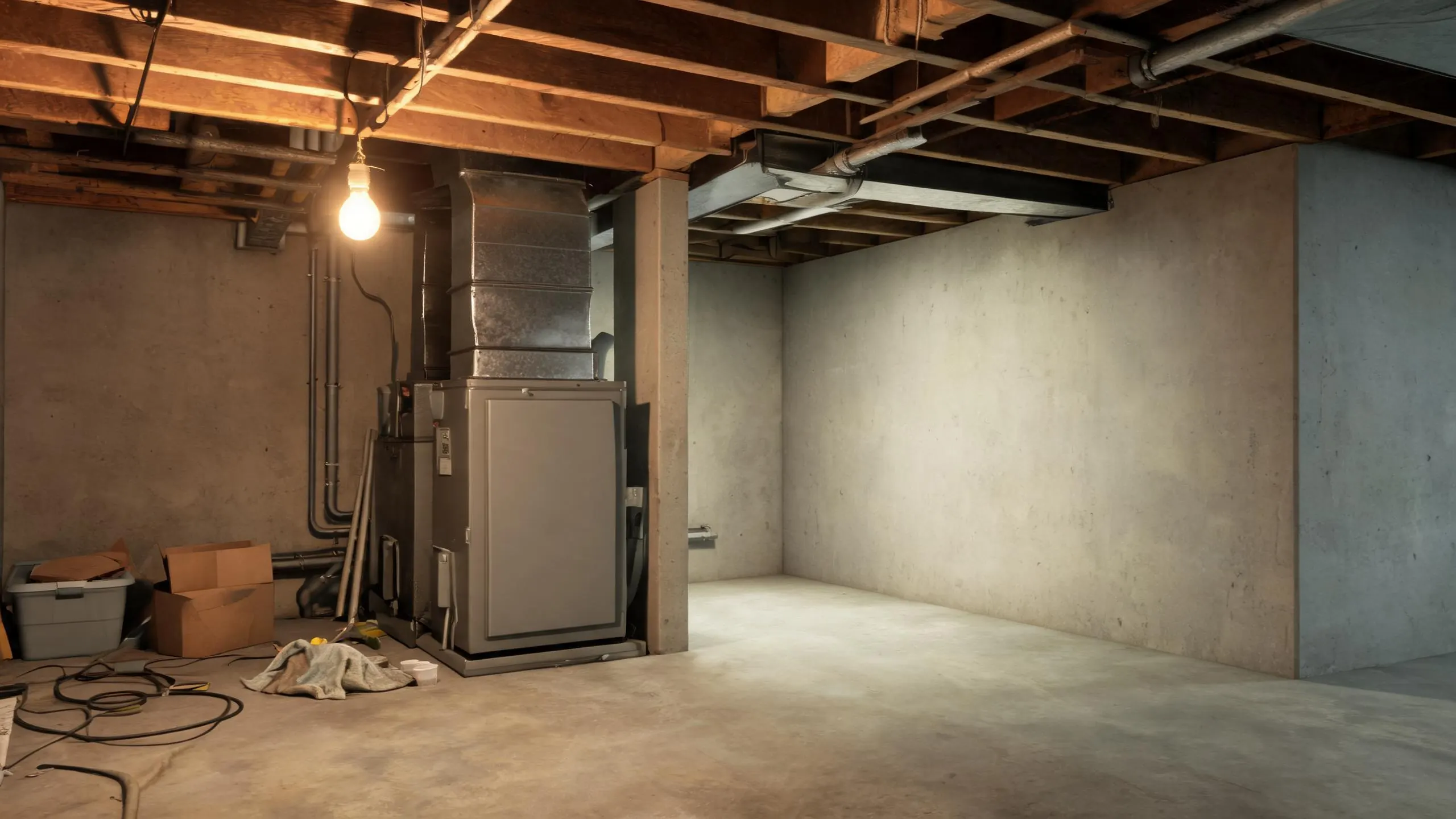
Batesland asks a lot of a heating and cooling system
Winter nights here average 15°F from December through February, and the house needs heat from October through May. That's 8 months a year the furnace is the thing keeping the place livable. Only three months, June through August, let it rest, and even then summer afternoons average 85°F, so the system switches straight to cooling with barely a break. Out of the year, 11 months ask something of it.
More than half the homes here heat with propane, so a new furnace has to match the fuel already run to the house. And whatever goes in isn't just fighting temperature. Oglala Lakota County has logged 28 winter storms and 141 damaging wind events over the last ten years. The system needs to hold up through both.
- 8 months
- October through May, your system heats
- 3 months
- June through August, it cools
- 15°F
- the average winter night it heats against
- 85°F
- the average summer afternoon it cools against
NOAA nClimDiv, 1991–2020 normals
In South Dakota, HVAC licensing for homes is left to the cities and towns.
Oglala Lakota County has no city or town HVAC license behind it, and South Dakota has no state license either. That leaves no license record to check for this job anywhere in the county.
What stands in its place, for a furnace and air conditioner installation, is the permit and inspection most local building offices require when that equipment gets replaced. That inspection is what catches a bad gas or electrical connection, not a license. Whether it applies here depends on the county's own building office.
Source: South Dakota Legislature
- When should I replace my HVAC system?
- Replace it when repairs start costing more than they're worth, or when the system can't keep up anymore. An older furnace or air conditioner works harder to hold the temperature, and that shows up as higher bills and rooms that never quite reach the setting. With 11 months of the year here needing heat or cooling, a system that's struggling doesn't get much rest to hide the problem. If you're calling for repairs more than once a season, that's usually your answer.
- Should I replace my furnace and air conditioner at the same time?
- If both are old, yes, it's worth doing together. A furnace and air conditioner installed at the same time are matched to work as one system, and replacing only one can leave the other running less efficiently than it should. This matters here since the furnace carries the load from October through May and the air conditioner picks up June through August, so both units see real use every year. A contractor can look at the age and condition of each one and tell you whether pairing the replacement makes sense for your house.
- What happens during an HVAC installation?
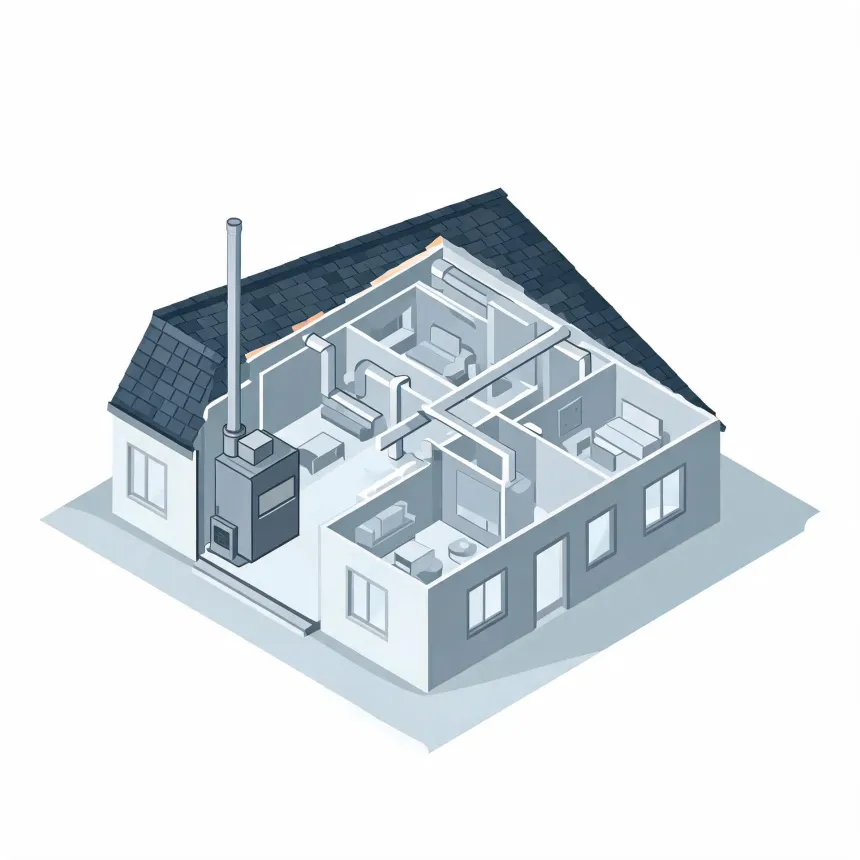
- A contractor removes the old equipment, sets the new furnace and or air conditioner in place, and connects it to your ductwork, gas or electrical line, and condensate drain. They'll check the ducts for leaks or sizing problems while they're in there, since new equipment performs worse when it's pushing air through ducts that were sized for something else. Most cities and counties here require a permit for this work along with an inspection once it's done, since South Dakota leaves HVAC licensing to the local building office rather than the state. Once everything is connected, the contractor tests the system to make sure it's heating or cooling correctly before they leave.