
Furnace Installation in Custer, SD
A new furnace here will run from September through May every year. Tell us about the house, and a licensed contractor who covers Custer County will get in touch.
Tell us about the job
It takes about a minute.
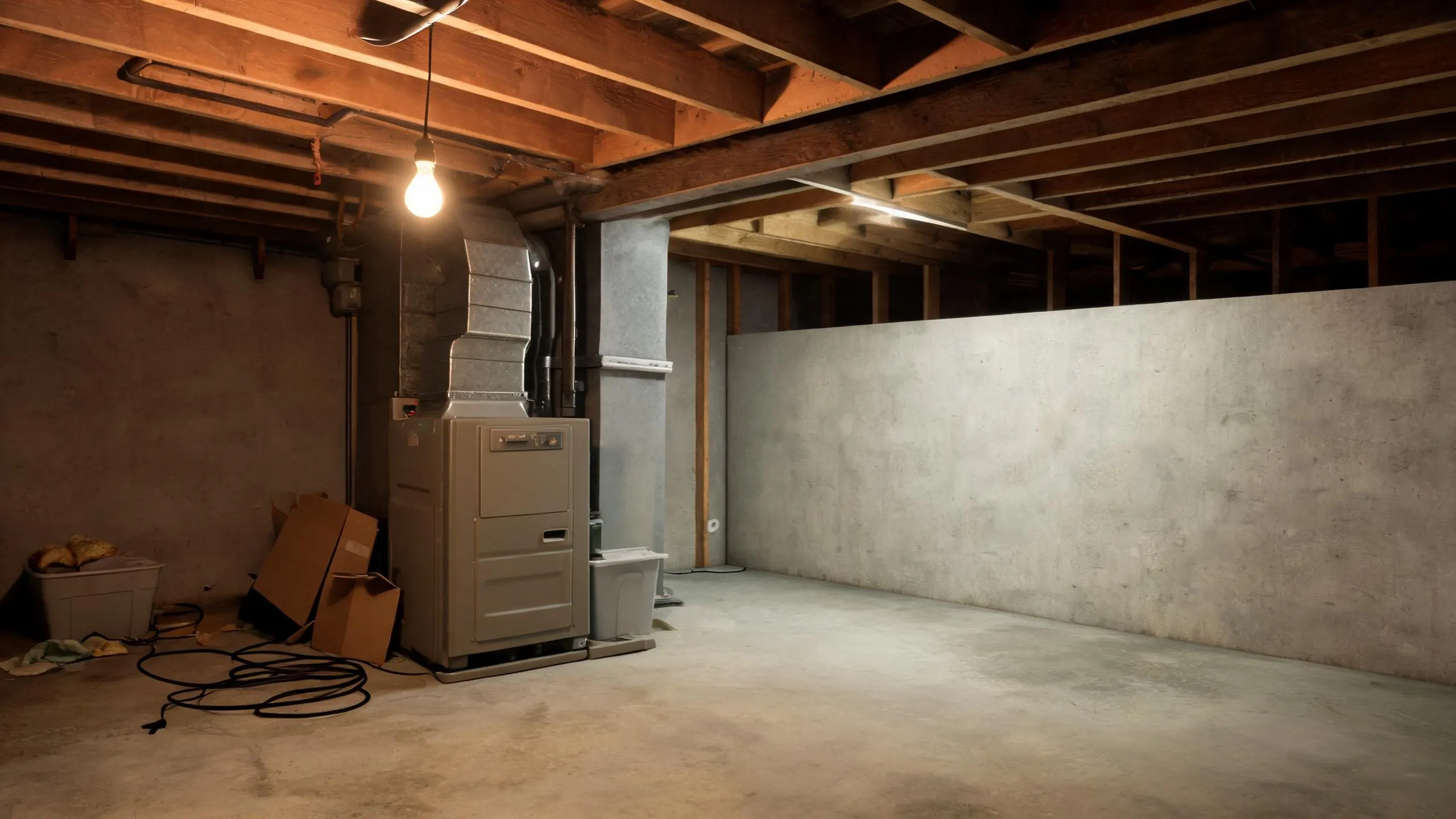
Nine months of heat, and winter nights near 15 degrees
Custer County homes need the furnace running from September through May. That is nine months of the year, with winter lows that average 15°F. A new furnace here is not built for an occasional cold snap. It is built to carry the house most of the year.
The county has seen 125 winter storms and 158 damaging wind events over the past ten years. A furnace installed here has to start reliably on the coldest nights and keep running through the storms that knock out power or pile up snow against the vents. Any new gas furnace built after November 2015 has to reach at least 80.0 percent AFUE, so that baseline is already covered. The question for a house here is what it takes above that to get through nine months of real winter use.
- 9 months
- September through May, your furnace is on duty
- 15°F
- the average winter night it heats against
- 80% AFUE
- the federal minimum any new unit must meet
NOAA nClimDiv, 1991–2020 normals
In South Dakota, HVAC licensing for homes is left to the cities and towns.
Custer County itself does not run an HVAC licensing program, and South Dakota doesn't either. Whether a contractor needs a local license to install your furnace depends on whether the town you're in has set up that kind of rule, and not every one has. So there's no statewide list to check and no state exam a contractor here was required to pass.
What stands in for that in most places is the permit process. A furnace installation typically needs a permit from the local building office, and the work gets inspected once it's done. That inspection is what catches a bad gas connection or a venting mistake, the part of this job that actually matters most for safety. It isn't a license and it doesn't vouch for the contractor ahead of time, but it does mean someone with no stake in the job looks at the work before it's called finished.
Source: South Dakota Legislature
- What size furnace does my house need?
- The right size comes from a load calculation, not the square footage alone. A contractor measures your walls, windows, ceiling height, insulation and duct layout and runs the numbers from there. Two houses the same size can need different sized furnaces if one has more windows or less insulation. With winter lows here averaging 15°F, sizing matters more than in milder places. A furnace that is too small will run constantly and still fall behind on the coldest nights. One that is too large will short cycle, turning on and off before it heats evenly, which wears out parts faster and leaves rooms uneven.
- How do I know it's time to replace my furnace?
- Age is one of the first things to check, along with how often you are calling for repairs. A furnace that needs service more than once a season is telling you something, especially if each repair costs more than the last. Watch for uneven heat between rooms, a furnace that runs longer than it used to, or a yellow flame instead of blue, which points to a combustion problem. Heat is needed here from September through May, so a furnace that is already struggling has nine months of work ahead of it, not a few weeks. If a repair would cost a large share of what a new furnace costs, replacement is usually the better call.
- Is a high-efficiency furnace worth it?
- It depends on how much heating your house actually needs. Homes here need heat nine months out of the year, with winter nights averaging 15°F, so a furnace here runs far more hours than one in a milder climate. That is the situation where higher efficiency has the most chance to pay off over time. Any non-weatherized gas furnace installed new today has to reach at least 80.0 percent AFUE, since that has been the federal standard since November 2015. High-efficiency models go beyond that minimum, but they also cost more upfront and some require different venting. A contractor can walk through the options for your house and price out what each one involves.