
AC Repair in Custer, SD
Air conditioners here run from July through August. If yours quits, tell us what it's doing and a licensed contractor who covers Custer County will get in touch.
Tell us about the job
It takes about a minute.
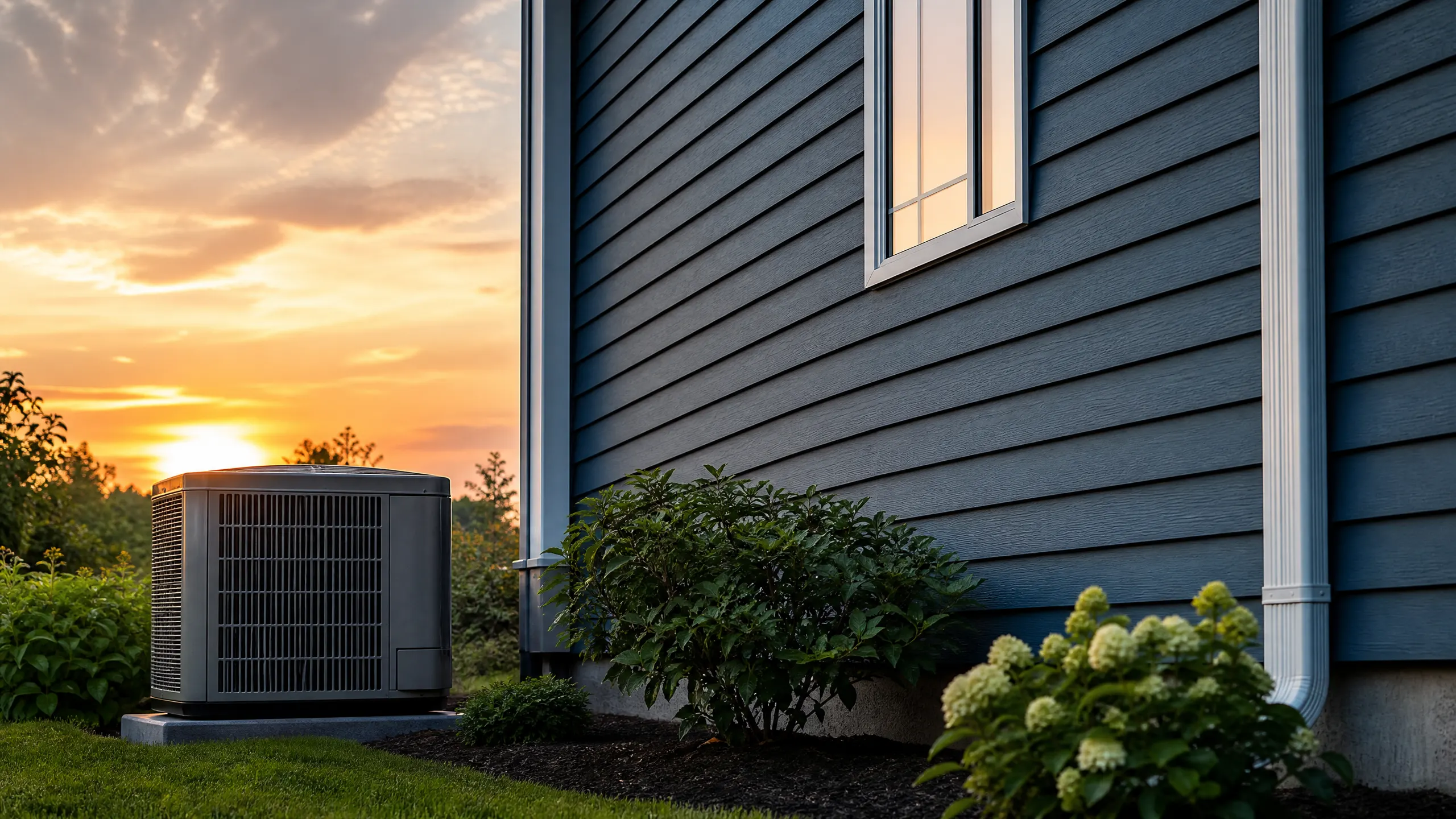
Two short months, then hail and wind the rest of the year
Your air conditioner in Custer County only earns its keep in July and August, when afternoons average 81°F. That is a short run, but it is not the only thing the unit has to survive.
The outdoor unit sits outside all year, through weather that has brought 244 hail events and 158 damaging wind events over the last ten years, with hailstones up to 2.75 inches. Hail that size bends the thin aluminum fins on the condenser coil, and a bent coil cannot shed heat the way it should. Wind that strong can also rock the unit on its pad or throw debris into it. So when you finally switch the system on in July, you may find it struggling to cool the house even though it sat untouched all winter.
- 2 months
- July through August, your air conditioner is on duty
- 81°F
- the average summer afternoon it cools against
- 244 hail events
- in ten years, and hail bends the fins on outdoor coils
- 158 wind events
- in ten years, and wind drives debris into outdoor units
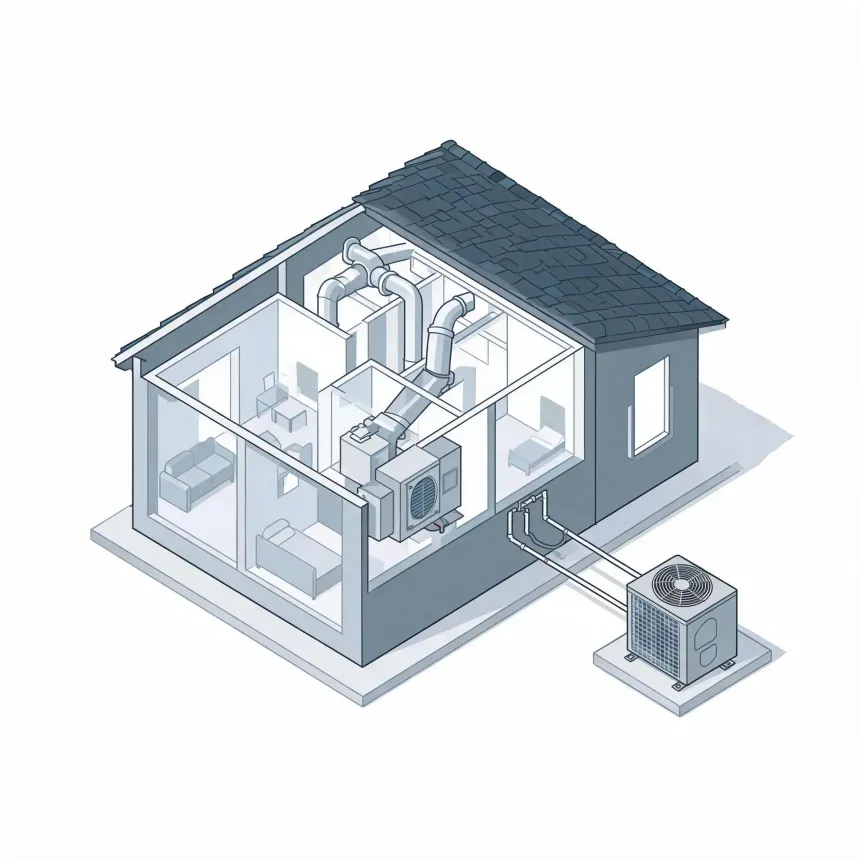
NOAA nClimDiv, 1991–2020 normals
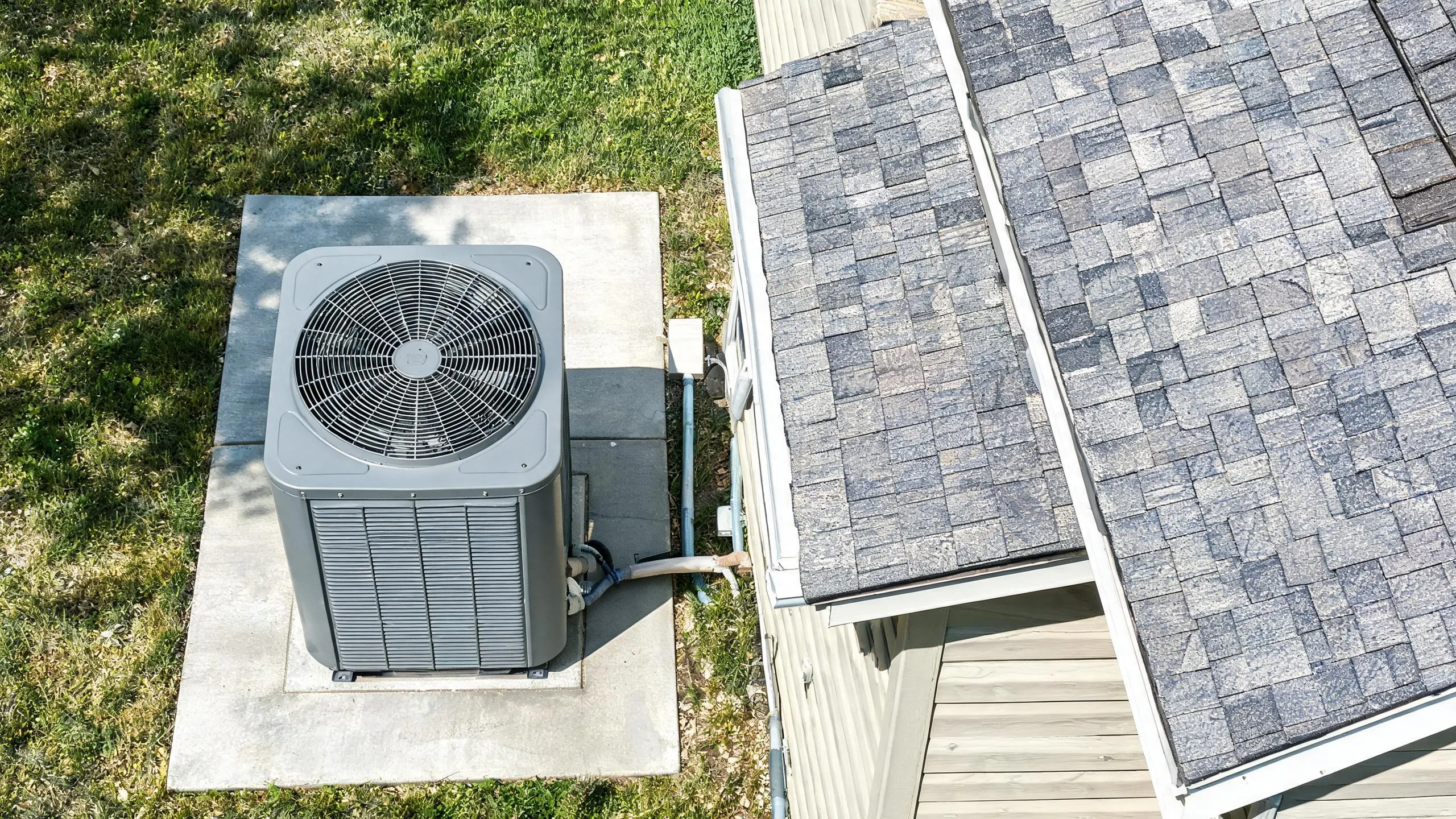
A new air conditioner would save little on running costs in Custer County, so the repair decision comes down to the unit's condition.
Estimates for a typical Custer County home, compared with an older unit built to the previous federal minimum, from EIA household energy data, South Dakota fuel prices and NOAA climate normals. Your home will differ.
Repair makes sense when a part like a capacitor or contactor has failed.
Replacement makes sense when the compressor has failed or the system uses R-22 refrigerant, which is no longer made.
In South Dakota, HVAC licensing for homes is left to the cities and towns.
Custer County itself does not license HVAC contractors, and South Dakota leaves that decision to individual cities and towns, so whether a license is required here depends on whether Custer or any nearby incorporated town has set up its own rule. There is no statewide test or record to check. If the address falls outside a town that licenses contractors, there may be no local credential at all standing behind the person doing the work.
What does apply everywhere, including here, is the federal rule on refrigerant. Fixing an air conditioner usually means opening the sealed system, and any technician who does that must hold EPA Section 608 certification, no matter what South Dakota or Custer County does or does not require. That certification is not a contractor license. It says the technician is trained to handle refrigerant without releasing it, nothing more.
Source: South Dakota Legislature
- Why is my AC not blowing cold air?
- The most common reason is a dirty air filter choking off airflow across the coil. When that happens the coil can ice up and the air coming out feels weak or barely cool. A low refrigerant charge from a leak causes the same complaint, but only a licensed technician with EPA 608 certification can open the refrigerant side to check that. Check the filter first, then have a contractor look at the coil and charge if it still isn't cooling.
- Why is my AC leaking water?
- Your AC makes water as it cools the air, and that water is supposed to drain away through a condensate line. If that line clogs with algae or dirt, the water backs up and drips or pools near the indoor unit. A dirty filter can also cause this, since restricted airflow lets the coil ice up, and the water shows up when it thaws. Clearing the drain line usually solves it, but a contractor should check the coil too if it keeps happening.
- Why won't my AC turn on?
- Start with the thermostat. Check that it's set to cool and the batteries aren't dead, since a blank or unresponsive display won't call for cooling at all. If the thermostat looks fine, check the breaker for the outdoor unit, since a tripped breaker will shut the whole system down. Given how hot Custer gets in July and August, a system that won't start at all is worth getting looked at quickly rather than waiting it out.