
Dryer Vent Cleaning in Custer, SD
Tell us about your home, and a licensed contractor who covers Custer County will get in touch.
Tell us about the job
It takes about a minute.

Cold vents make lint stick
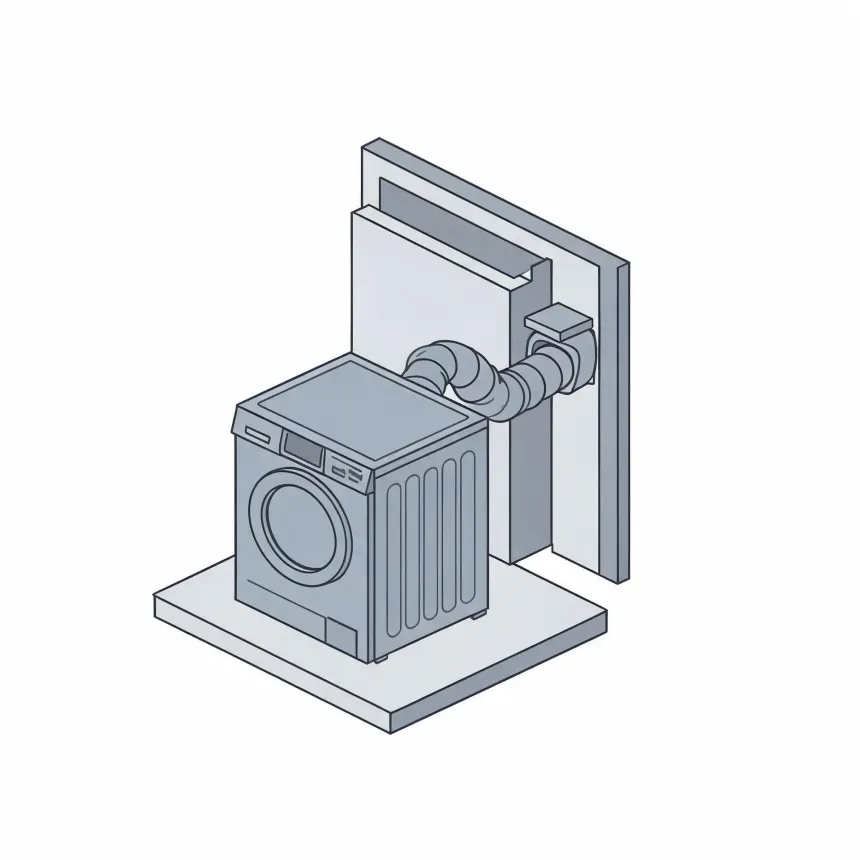
Your dryer pushes out warm, damp air every time it runs. In Custer County that air is moving through a vent that sits in a cold wall or attic for most of the year, with winter nights averaging 15°F from December through February. The warm air cools fast against that cold metal, and the moisture in it condenses on the walls of the vent. Lint does not just blow through anymore. It sticks.
That buildup narrows the vent a little at a time. A dryer that cannot push air out through a clogged vent runs hotter and takes longer to dry a load, and the lint packed inside is what a vent fire needs to start.
- 15°F
- the average winter night, and cold vents catch damp lint
- 9 months
- September through May, the vent stays cold
NOAA nClimDiv, 1991–2020 normals
- How often should a dryer vent be cleaned?
- Once a year is the general rule, more often if you dry a lot of loads or if the vent run is long. Lint builds up along the inside of the duct even when the lint trap looks clean, and it narrows the path the air has to take. Cleaning it before winter is a good idea, since a blocked vent that traps heat is a bigger problem when nights are already down near 15 degrees.
- Can I clean my dryer vent myself?
- You can clean the first few feet near the dryer and the outside hood yourself, but you likely can't reach the full length of the duct without the right brush and rod system. A shop vac and a snap-together rod kit reach further than a vacuum hose alone. If the vent run is long or has several turns, a contractor with a proper cleaning rig will get out lint that a homeowner setup can't reach.
- What are the signs of a clogged dryer vent?
- Clothes that take more than one cycle to dry, a dryer that runs hot to the touch, or a burnt smell partway through the cycle all point to a blocked vent. Check the outside hood too. If the flap barely moves or you feel weak airflow when the dryer is running, lint is likely built up somewhere in the duct, and it is worth clearing out rather than waiting on it.