 Get matched
Why your AC vents are sweating in South Dakota
Describe your air conditioner job, and a local pro who handles it gets in touch.
Sweating vents usually mean warm, humid air is hitting a cold metal surface somewhere in your ductwork. In South Dakota that's not the usual story, since the air outside isn't heavy to begin with. More often it points to a duct that's not sealed right, insulation that's come loose or missing where a vent passes through an unconditioned space, or a system that's been set to run colder and longer than it needs to.
That last one matters here. With gas heat covering winter and power priced the way it is, the AC isn't being asked to fight humidity the way it would somewhere muggier. If it's still sweating, something specific is off, not just the climate doing what climate does.
Figuring out which of those it is means looking at the actual ductwork and the actual unit, not guessing from a list of possibilities. That's a job for someone who works on these systems in South Dakota every summer and has a feel for which of these causes shows up most on homes like yours.
Getting matched means one licensed contractor local to you reaches out, someone who already knows the kind of setup common around here and what tends to go wrong with it. Not a handful of companies competing for your callback, just the one, reaching out to look at what you've actually got.
From there it's a straightforward look at the vent, the duct run behind it, and the insulation around it, to find where the cold air is meeting air it shouldn't be meeting.
Why are my AC vents sweating?
You keep seeing water collect around your AC vents or drip onto the ceiling below them, and you want to know if that's something to fix now or something that can wait. Since South Dakota summers aren't especially humid, you'd expect dry air coming through the vents, not a wet one, so the sweating feels like it shouldn't be happening at all.
A duct problem, not a humidity problem
Vents sweat when the metal around them gets colder than the air around it, and moisture in that air condenses on the cold surface. In most of the country that's driven by thick, humid outdoor air. In South Dakota the outdoor air usually isn't heavy enough to cause that on its own, so when it happens here it almost always means a duct run is losing too much cold air into a space it shouldn't, through a gap in the insulation wrap or a seam that's come loose. That cold metal then meets the warmer air in your attic or crawlspace and sweats. Left alone, that moisture can soak insulation and stain drywall around the vent.




Water only shows up where warm air meets something colder than its dew point. Inside a duct system, that's usually the metal itself, not the air coming out of it. If a run of supply duct passes through an attic or crawlspace and the insulation wrap has slipped or torn, that section of metal sits close to whatever temperature surrounds it, which in summer can be well above what the duct was built to handle. A split seam makes it worse. Cold air leaking out there chills the duct and the space around it, including the vent cover you're looking at. None of that needs the air itself to be especially humid, since South Dakota summers usually aren't. It just needs a cold enough surface. Airflow problems push things further. A clogged filter or a blocked return cuts the air moving across the coil, which drops the coil's temperature and sends out air colder than the ducts were ever meant to carry. Low refrigerant charge causes the same drop from a different direction. By the time you see water at the vent, the cause is already behind it.
Why the duct sweats first
- Warm air only turns to water on a vent when it touches metal colder than the dew point, so a sweating vent means the duct itself has gone cold.
- Supply ducts running through an unconditioned attic or crawlspace lose their insulation wrap or have it torn, letting the metal chill to near the air temperature inside.
- A seam that's pulled apart lets cold air escape into the space around the duct instead of reaching the room, and that escaping air chills everything nearby including the vent cover.
- A dirty filter or a blocked return starves the system of airflow, which drops the coil temperature further and sends out colder air than the ducts were built to carry.
- Low refrigerant charge does the same thing from a different cause, pushing supply air cold enough to sweat the metal well before it reaches the room.
- The vent cover itself is just the last stop, so sweating there almost always means the real problem sits further back in the duct run.


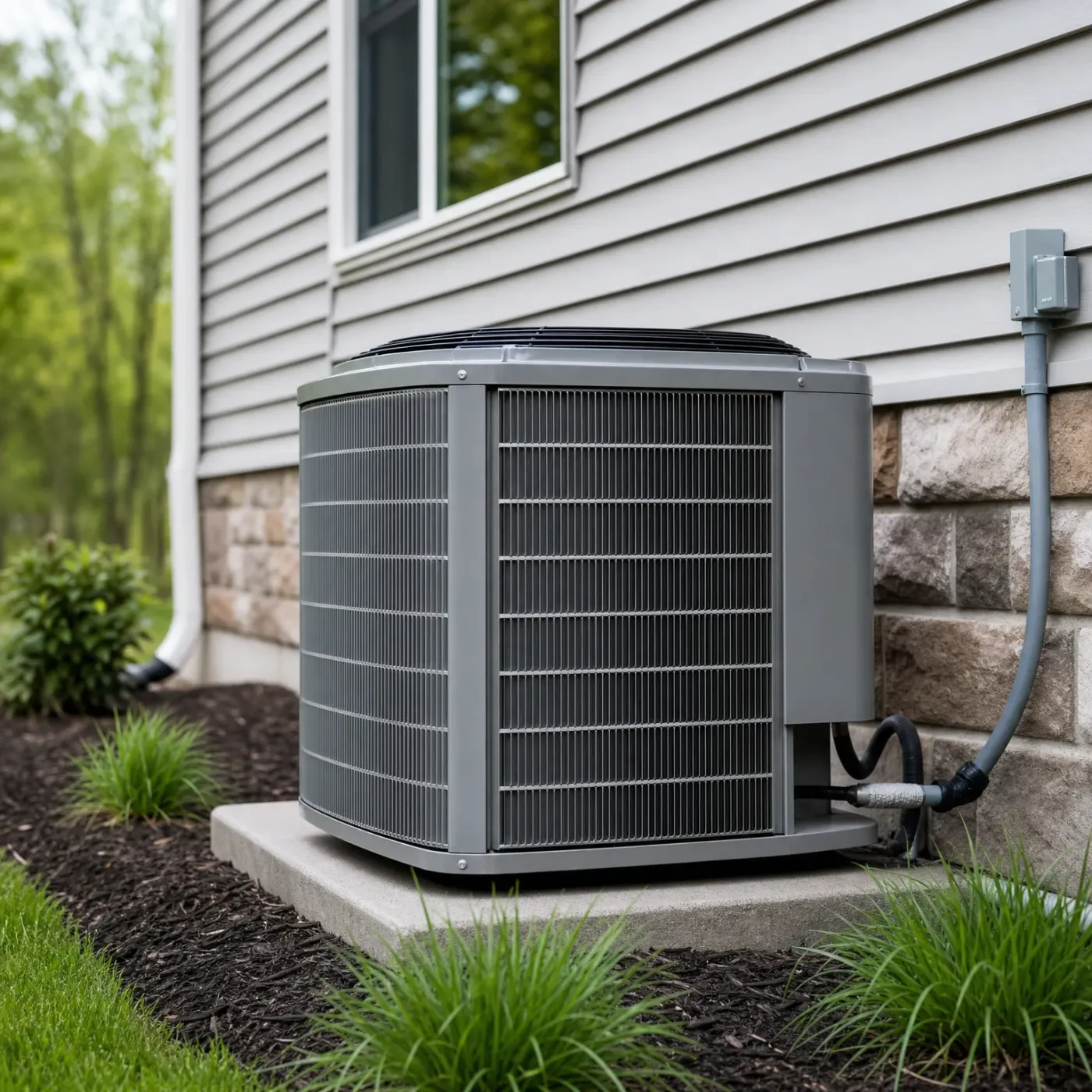
A local pro for your air conditioner repair
Your request goes to one pro, not a list of companies.
Say what's going on with your air conditioner, and a pro who works on them reaches out.
Sending the form costs nothing.


What are you noticing around your vents right now
Look for a ring of water on the ceiling around the vent, a drip that shows up on hot afternoons, or a damp patch on the drywall that keeps coming back no matter how many times you wipe it down. Some homeowners notice a musty smell before they see any water at all. If the vent sits above a closet or a bedroom, check there too, since the stain can travel along the duct before it ever reaches the vent itself. Left alone, that moisture sits in drywall and insulation, and over time it can soften the ceiling or feed mold growth. A damp spot that keeps returning after you dry it is telling you the duct is still cold, not that the problem fixed itself.

The sun is low over the yard, that flat gold light you get on an August evening. The condenser sits against the house, and the fan inside it has stopped. No hum, no draw of air through the coil, just the tick of metal cooling. Inside, the vents upstairs have already started sweating, a ring of damp spreading on the ceiling by the hallway. You noticed it an hour ago and came out to check the unit, thinking maybe it shut off on its own. It didn't. The fan blades sit still behind the grille, and the rest of the yard keeps moving, the grass, the shadows, a dog barking two yards over, while the one thing that's supposed to be running sits dead quiet.


Wipe It Dry or Fix the Duct
Leave It
- Wiping the ceiling dry each week keeps the stain from spreading, but the water is still forming behind the drywall every time the AC runs.
- Insulation touching that wet duct will stay damp, and wet insulation stops doing its job even after the duct dries out.
- A small ring around one vent now can turn into a sagging patch of drywall by the end of summer.
- If the sweating comes from a loose duct joint, the same gap is likely letting cooled air leak into the attic instead of your rooms.
- Mold needs damp material to grow on, and a ceiling that stays wet through July and August gives it that chance.
Get It Repaired
- A contractor who works on South Dakota attics and crawlspaces knows which duct runs lose insulation first and checks those spots early.
- Resealing a duct joint or replacing torn wrap stops the metal from dropping below the dew point, so the sweating stops at the source.
- Fixing the duct also closes off the air leak, so the air your AC cools stays in the room instead of the attic.
- Once the duct surface stays close to room temperature, the drywall around the vent gets a chance to actually dry out.
- A local contractor can look at the specific duct run causing the problem instead of guessing at the whole system.

South Dakota summers run a dew point of about 56°F across June, July and August, based on NOAA climate normals for the state. That's dry air by most standards, the kind that doesn't leave you sticky walking to the mailbox. It also means your air conditioner isn't pulling much moisture out of the house to begin with, so a duct run cold enough to sweat has to be colder than the air around it by a wider margin than it would in a muggier state. If your vents are collecting water here, the air itself isn't the reason. Something in the duct run or the insulation around it is letting that gap get bigger than it should.
NASA POWER T2MDEW county cells weighted by homes

What this does to your house if it keeps going
Water that collects at a vent doesn't stay at the vent. It runs along the duct, soaks into the drywall around it, and stains the ceiling in that same ring you keep wiping down. Leave it long enough and the ceiling paint bubbles or the drywall softens, and that's a repair on top of the one you already needed. If the duct runs through a space above a closet or a bedroom, you may not catch it until the stain is already through the paint.
A sweating duct also means that stretch of ductwork isn't doing its job, so the room it feeds runs warmer than the rest of the house even while the AC is working hard. A contractor who works on South Dakota systems every summer can tell you fast whether this is a duct seal, a torn insulation wrap, or something at the condenser itself, and get you matched with one who takes it from there. One contractor reaching out means one visit, one answer, not three different crews guessing at it.


Humid indoor air reaches the cold duct surface and slows down there
Moisture in that air condenses on the metal once it hits the dew point
Water beads on the duct and soaks into the surrounding insulation
Soaked insulation stops blocking heat, so the duct stays cold longer
Power costs 13.32 cents per kilowatt-hour statewide
At 13.32 cents a kilowatt-hour, power here is cheap enough that most homeowners don't think twice about the AC running. That's exactly how a sweating vent gets ignored for months: the bill never spikes enough to flag a problem, while the leak behind your ceiling keeps spreading.
EIA-861 2025 statewide residential average
A sweating vent in South Dakota almost always means a duct gone cold from torn or missing insulation, not heavy outdoor air, since your dew point here sits low all summer. You've seen where it's showing up, you know it won't stop on its own, and leaving it means wet insulation, a ceiling stain that keeps coming back, and a system working harder than it should. This is a repair, not a guess, and it's worth getting someone out to look at the actual duct run before drywall and insulation take more damage. A contractor local to South Dakota who works on this kind of ductwork every summer has seen this exact problem before, knows which attic and crawlspace setups tend to sweat, and can tell you straight what's causing yours. You'll be matched with one contractor, not several, so you're not fielding calls from a handful of companies trying to win the job. Someone who already knows what usually fails in homes around here can get to the actual cause faster than starting from scratch.

Get the right pro for your air conditioner