
HVAC Installation in Vermillion, SD
A new system here will heat from October through May and cool from June through August every year. Tell us about the house, and a licensed contractor who covers Clay County will get in touch.
Tell us about the job
It takes about a minute.
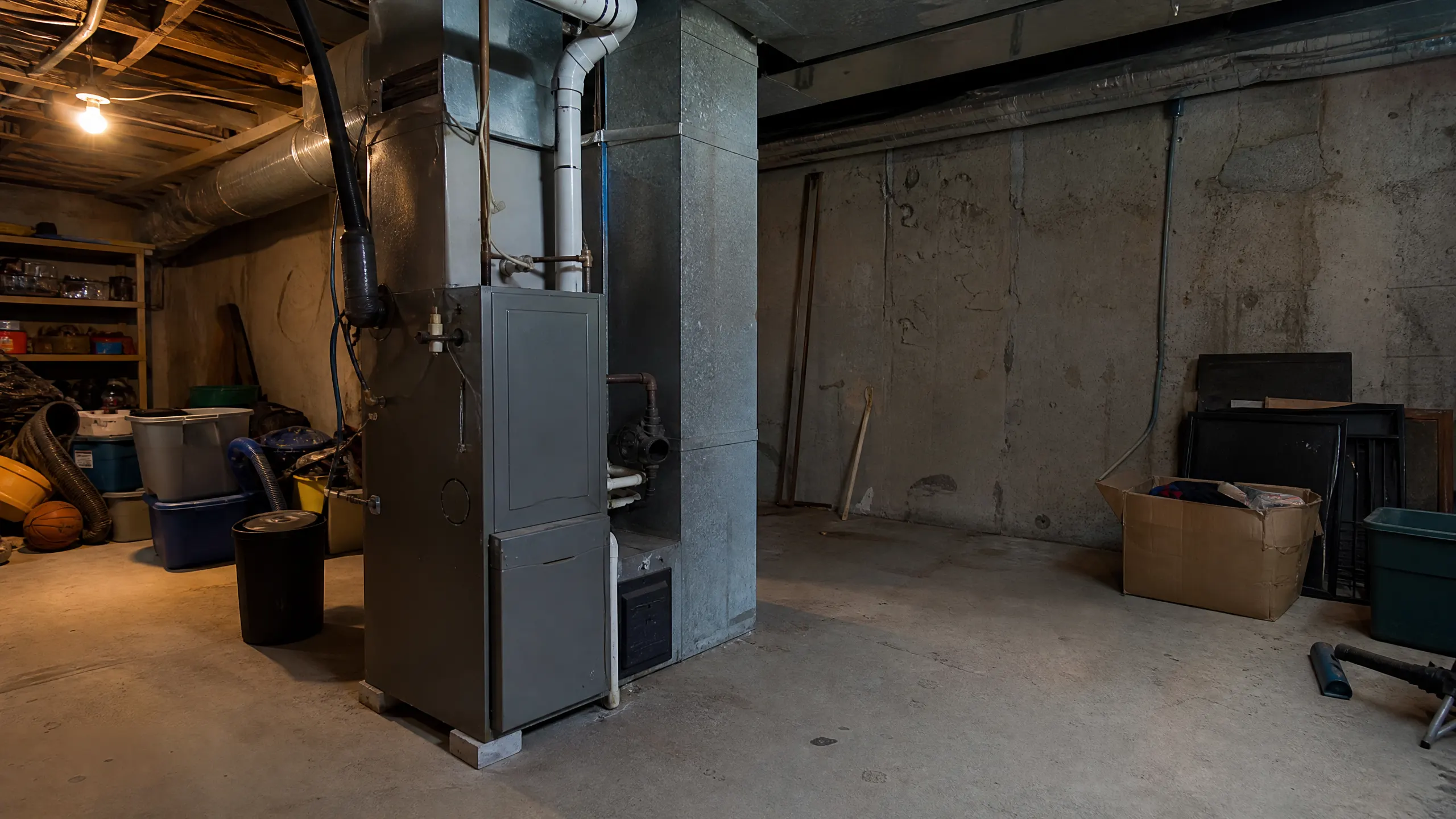
A new system here has to handle eight months of heat and three of cooling
Winter nights in Vermillion average 13°F from December through February. Whatever you install has to bring a cold house up to temperature on those nights, not just on the mild ones. Summer afternoons average 83°F, so the same system needs to handle three months of real cooling load too. Homes here need heat or cooling 11 months out of the year, October through May for heat and June through August for cooling.
Almost half of homes in the area heat with gas. Whether you are replacing a gas furnace or putting in a heat pump, it has to be sized for those 13°F nights, not just the mild days on either end of the season.
- 8 months
- October through May, your system heats
- 3 months
- June through August, it cools
- 13°F
- the average winter night it heats against
- 83°F
- the average summer afternoon it cools against
NOAA nClimDiv, 1991–2020 normals
In South Dakota, HVAC licensing for homes is left to the cities and towns.
Clay County does not run its own contractor license, so nothing at the county level tests or records who does this work here. Whether a license is required comes down to whether the city where the house sits has set up its own rule, and that varies from one town to the next.
In most cities and counties, installing a new furnace or air conditioner needs a permit from the local building office, with an inspection once the work is done. That permit and inspection are the check that exists here, not a license.
Source: South Dakota Legislature
- When should I replace my HVAC system?
- Once a furnace or air conditioner needs repairs every year, replacing it makes more sense than continuing to patch it. Age and repair history both matter, and so does how the system is running right now. With winter nights here averaging 13°F, a furnace that struggles to keep up is a bigger problem than the same furnace would be somewhere milder. A contractor can look at the system's condition and tell you whether replacement makes sense yet or if it has good years left.
- Should I replace my furnace and air conditioner at the same time?
- If both are old, replacing them together is often worth considering, but it depends on the condition of each one. A furnace and air conditioner installed at different times don't wear out on the same schedule, so it's common for one to fail years before the other. Homes here need heat for 8 months and cooling for only 3, so the furnace usually carries the heavier load and tends to show its age first. A contractor can check both systems and tell you whether either one is close to the end, and what that means for doing the work together or separately.
- What happens during an HVAC installation?
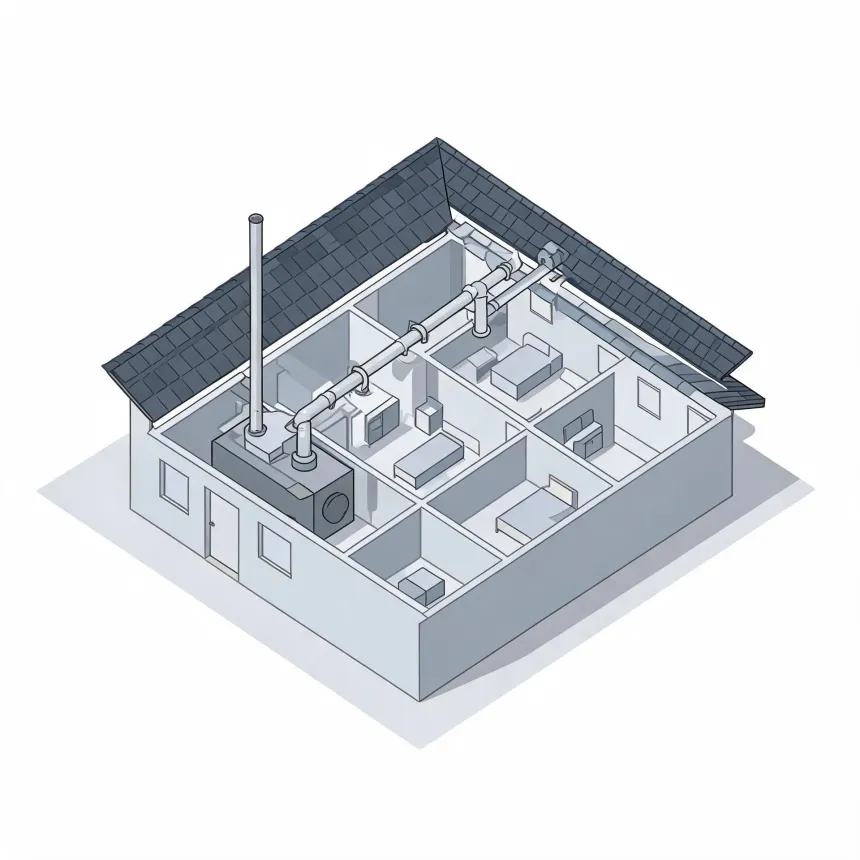
- A contractor removes the old furnace, air conditioner, or heat pump and sets the new equipment in its place, then connects it to the ductwork, the gas or electrical supply, and the thermostat. Once it's running, they test it, check the airflow, and make sure it's heating or cooling the way it should before leaving. In most cities and counties here, this work needs a permit from the local building office and an inspection afterward, since South Dakota leaves HVAC licensing to individual cities and towns rather than the state. Ask the contractor how they're handling the permit for your address, since the requirement depends on where the house sits.