
HVAC Installation in Pierre, SD
A new system here will heat from October through May and cool from June through August every year. Tell us about the house, and a licensed contractor who covers Hughes County will get in touch.
Tell us about the job
It takes about a minute.
Pierre asks a lot of a heating and cooling system
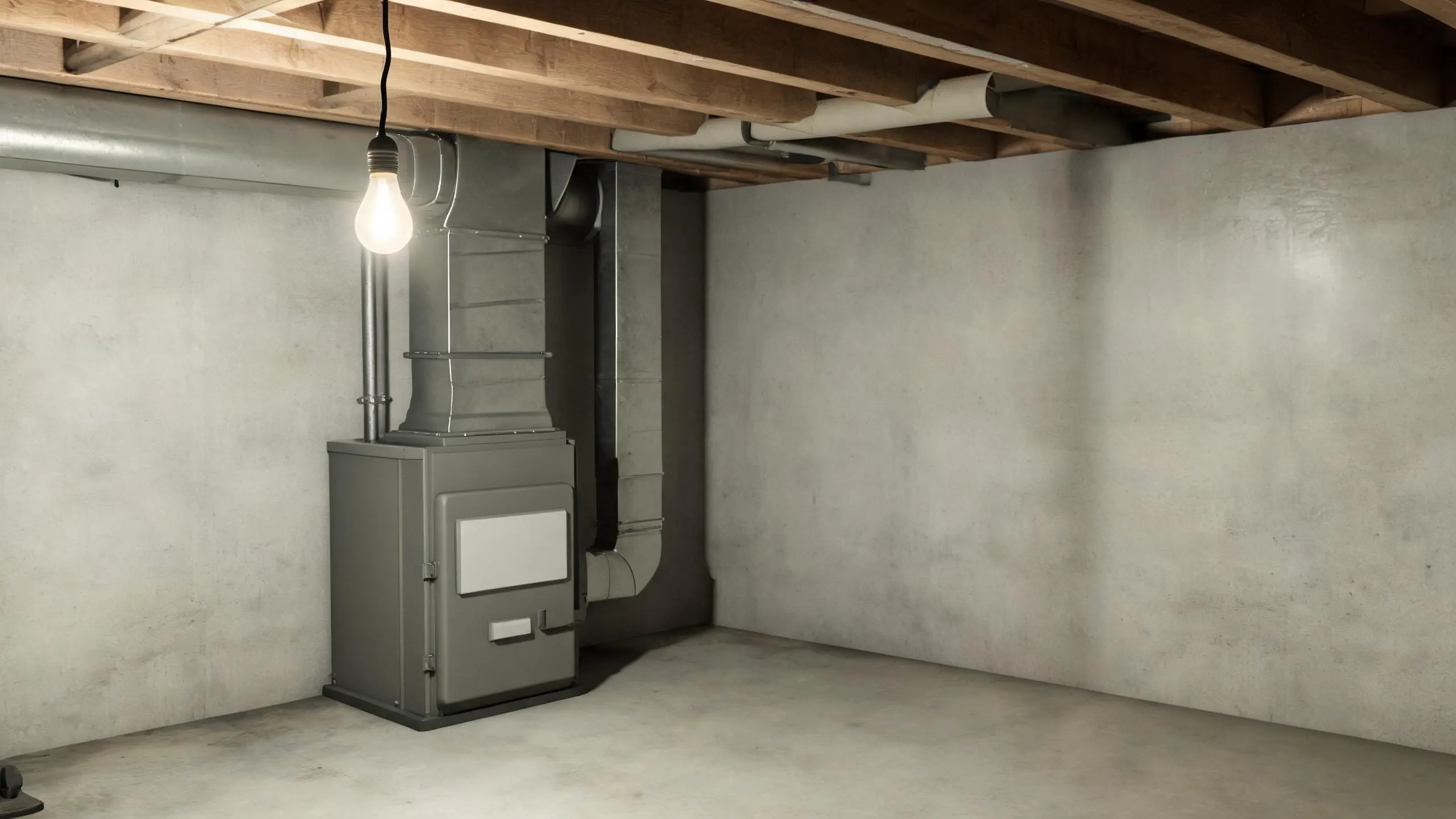
Your furnace works nearly the whole year here. Homes in Hughes County need heat from October through May, eight months straight, then the air conditioner takes over for June through August. Only one month goes by without either one running.
Winter nights average 10°F from December through February, cold enough that the furnace has to hold a steady output for hours at a time, night after night. Summer afternoons average 84°F, so the air conditioner is doing real work too, just for a shorter stretch. A system built for Pierre has to handle both ends of that range, not just one. The area has also seen 37 winter storms and 135 damaging wind events over the past ten years, the kind of weather that puts extra strain on a system already working most of the year.
- 8 months
- October through May, your system heats
- 3 months
- June through August, it cools
- 10°F
- the average winter night it heats against
- 84°F
- the average summer afternoon it cools against
NOAA nClimDiv, 1991–2020 normals
In South Dakota, HVAC licensing for homes is left to the cities and towns.
That means there is no state record of who is qualified to install a heating and cooling system. Hughes County itself does not license contractors either, so whatever rule applies comes from the city or town the house sits in, not from Pierre. Some towns keep their own list of licensed contractors, some don't require anything at all, and a homeowner has to know which kind of town they live in to know what protection exists.
For a job like this, the permit is what stands in for licensing. Installing a furnace or air conditioner in most cities and counties means pulling a permit from the local building office and having the finished work inspected before it is signed off. That inspection is what catches a bad gas connection or a system that was not installed to code, not a license number. If the town has no permit requirement, there is no inspection either, and nothing else in the state fills that gap.
Source: South Dakota Legislature
- When should I replace my HVAC system?
- Replace it when repairs start costing more than they're worth, or when the system is old enough that the next breakdown could leave you without heat in the cold months. That matters here, since winter nights average 10°F from December through February and your furnace runs from October through May. Watch for rising energy bills, uneven heating room to room, or a repair tech telling you parts are getting hard to find. A contractor can look at the age and condition of your system and tell you whether it makes more sense to repair it again or replace it now.
- Should I replace my furnace and air conditioner at the same time?
- If both are old, yes, it usually makes sense to do them together. A furnace and air conditioner installed at different times often don't match well, and a mismatched system can run less efficiently than two units designed to work as a pair. That said, if your air conditioner is only a few years old and just the furnace is failing, there's no reason to replace something that's working fine. A contractor can look at the age and condition of both and tell you whether pairing them makes sense for your house.
- What happens during an HVAC installation?
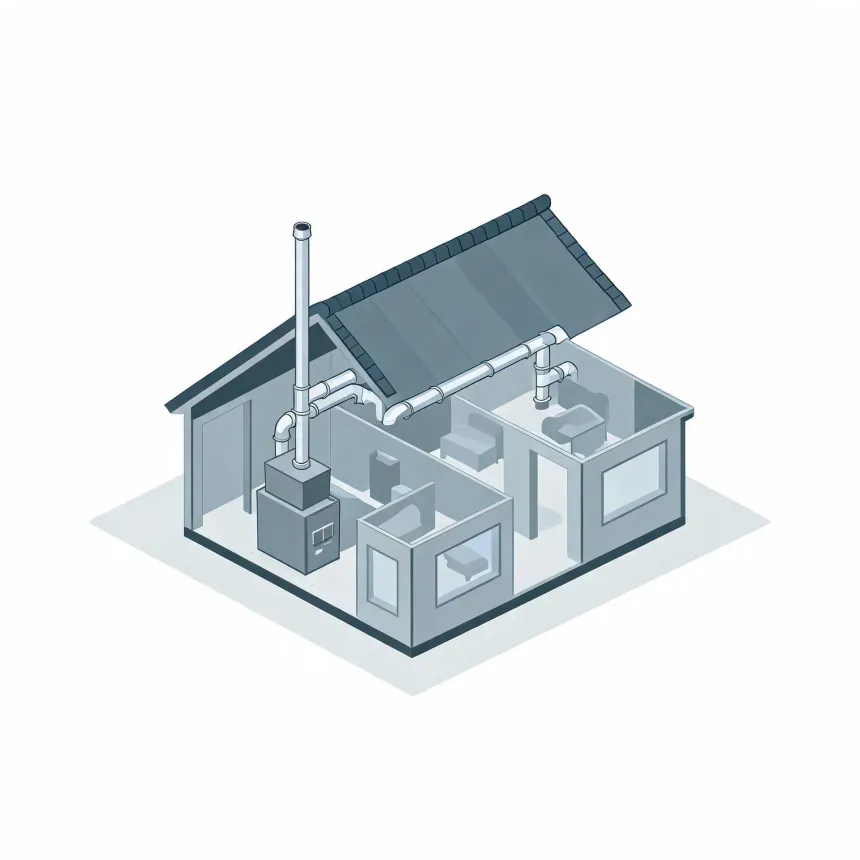
- A contractor removes the old equipment, sets the new furnace, air conditioner or heat pump in place, and connects it to your ductwork, gas line or electrical, and venting as needed. They test the system to make sure it heats or cools properly and check that everything is sealed and drawing correctly. In most South Dakota cities and counties, this work needs a permit from the local building office, and an inspector checks the job once it's done. South Dakota has no state HVAC license, so the rules depend on the city or county where the house sits, and your contractor should know what's required locally.