A white hooded louvered vent cover mounted on dark gray horizontal lap siding, with dappled late-day light and shadows across the wall and a leafy shrub at the right edge.

Let someone else find the pro

How often to clean a dryer vent in South Dakota

Once a year or once every two, depending on how much the dryer runs and how long your vent run is. Lint builds up inside the duct even when the outside cap looks clear, and a vent that's slow to clear steam costs you drying time before it costs you anything worse. This page gets into what tells you it's time and what a cleaning actually involves. Once you send the request, finding someone to come look at it is off your plate.

Hand it off

Once a year is right for most houses in South Dakota. If your dryer runs most days, or your vent run is long or has a few turns in it, check it closer to every eight or nine months instead. Lint collects along the inside of the duct gradually, and a longer run just gives it more surface to catch on before the air ever reaches the cap outside. Gas dryers push out moisture along with the hot air, and in a vent that's already restricted, that moisture has nowhere to go but back into the duct, which is how lint starts packing instead of blowing through. You'll notice it first in drying time. Clothes that used to come out dry in one cycle start needing a second, and the top of the dryer feels warmer than it used to. Once a vent is that restricted, it's also pulling more heat out of the machine itself every time it runs. A yearly check keeps it from ever getting there.

Power costs 13.32 cents per kilowatt-hour statewide

Cheap power doesn't mean a cheap dryer cycle. A blocked vent makes an electric dryer run longer to get clothes dry, and that extra run time is what shows up on the bill, not the rate itself. Keeping the vent clear keeps each load closer to one cycle.

EIA-861 2025 statewide residential average

A short run with few turns

If your vent goes almost straight out to an outside wall with one or two bends, lint has a short, easy path to clear. Air moves through fast and doesn't have much chance to leave lint behind along the way. A once-a-year cleaning is usually enough to keep a run like this working the way it should. You'll still want to check the outside cap on your own between cleanings, since a flap that won't open or close right is something you can catch just by looking at it.

A long run with several bends

A vent that runs up through a second floor, or snakes around framing with several turns, gives lint more places to catch and slower air to carry it out. Each bend is a spot where lint settles instead of blowing through. If your laundry room is far from an outside wall, or the dryer sits in a basement, assume the run is longer than it looks. Checking it closer to every eight or nine months catches buildup before it starts slowing your drying time down.

A white hooded dryer vent mounted on horizontal lap siding, with a thick mass of gray lint clogging the opening beneath the hood.
Before you get your dryer vent cleaning
A metal hooded dryer vent with a louvered opening mounted on beige horizontal lap siding above a concrete foundation wall.
After you get your dryer vent cleaning

One load, one cycle

A clear vent lets a dryer push moist air out fast enough to finish most loads on the first cycle. That's the sign the vent is doing its job.

Reach a local pro

Check the outside cap

Lint can pack the duct for feet before it ever reaches the cap, so a clear-looking outside vent doesn't rule out a blocked one further in.

Reach a local pro
A smiling man in a blue denim shirt over a white tee sits at a light stone kitchen counter with a grey mug and a bowl of oranges and bananas, with pendant lights and shelving behind him.
A smiling bearded man in a grey long-sleeved shirt sits at a kitchen counter with a dark mug, with a dining table, pendant light and glass doors onto greenery behind him.
A bearded man in a dark green knit sweater smiles and looks off to the side while standing at a kitchen counter with a white mug of coffee, with open shelving, a potted tree, and a dining table near large windows behind him.
A man with dark curly hair in a dark green sweater stands smiling and looking to the side in a kitchen with white cabinets, a potted plant, a stone countertop with a ceramic mug, and a dining area with framed art in the background.

Done looking for a dryer vent pro

A long duct run, a dryer that runs most days, a few tight turns behind the wall. You can guess at how much lint has built up in there, but you can't see it, and a slow-clearing vent will keep costing you drying time until something gets it out. That's not a job most people want to take on themselves, crawling behind the dryer with a shop vac and hoping the hose reaches far enough. A local contractor who works on vents like yours every season knows where lint tends to pack in a South Dakota home, whether that's a long basement run or a few extra turns to get outside, and checks those spots first instead of guessing. Send the request and it goes to one contractor, not a handful calling you back at once. Once it's sent, finding someone to come look at your vent isn't something you have to keep track of anymore.

Where That Leaves You

  • A dryer vent in South Dakota generally needs cleaning once a year, or closer to every eight or nine months if it runs most days.
  • Lint builds up along the inside of the duct whether the run is short and straight or long with a few turns.
  • A vent that clears steam fast gets most loads dry in one cycle, which is the clearest sign it's working.
  • A local contractor who handles this equipment every season knows which vent runs tend to clog first and why.
  • Checking on schedule instead of waiting for a problem keeps the duct from becoming a bigger repair down the road.
  • One licensed local contractor takes the job, so you're dealing with a single call instead of several companies competing for it.

Once a year covers most houses in South Dakota. Run the dryer most days, or route the vent through a few tight turns, and eight or nine months is the safer mark. Either way, the sign to watch for is simple: a load that finishes in one cycle means the vent is clearing steam the way it should. One that takes two or three means lint has already built up enough to slow things down, and it will keep doing that until the duct gets cleared out.

Someone who works on dryer vents in South Dakota all year has seen which runs clog first, the long ones, the ones with a bend or two behind the wall, the ones tied to a dryer that runs daily. That's the kind of knowledge that comes from doing the job locally and often, not from a general checklist. The match this page makes is to one licensed contractor in your area, not a handful of companies bidding for the work. You make one call's worth of effort and get one answer, from someone who already knows the kind of vent runs houses around here tend to have.

Staying on schedule costs you a few minutes now. Skipping it doesn't cost you right away, but the lint keeps collecting, the vent keeps slowing down, and eventually it's a repair instead of a cleaning. Catching it on schedule is the cheaper path, and it's the one that keeps your dryer running the way it's supposed to.
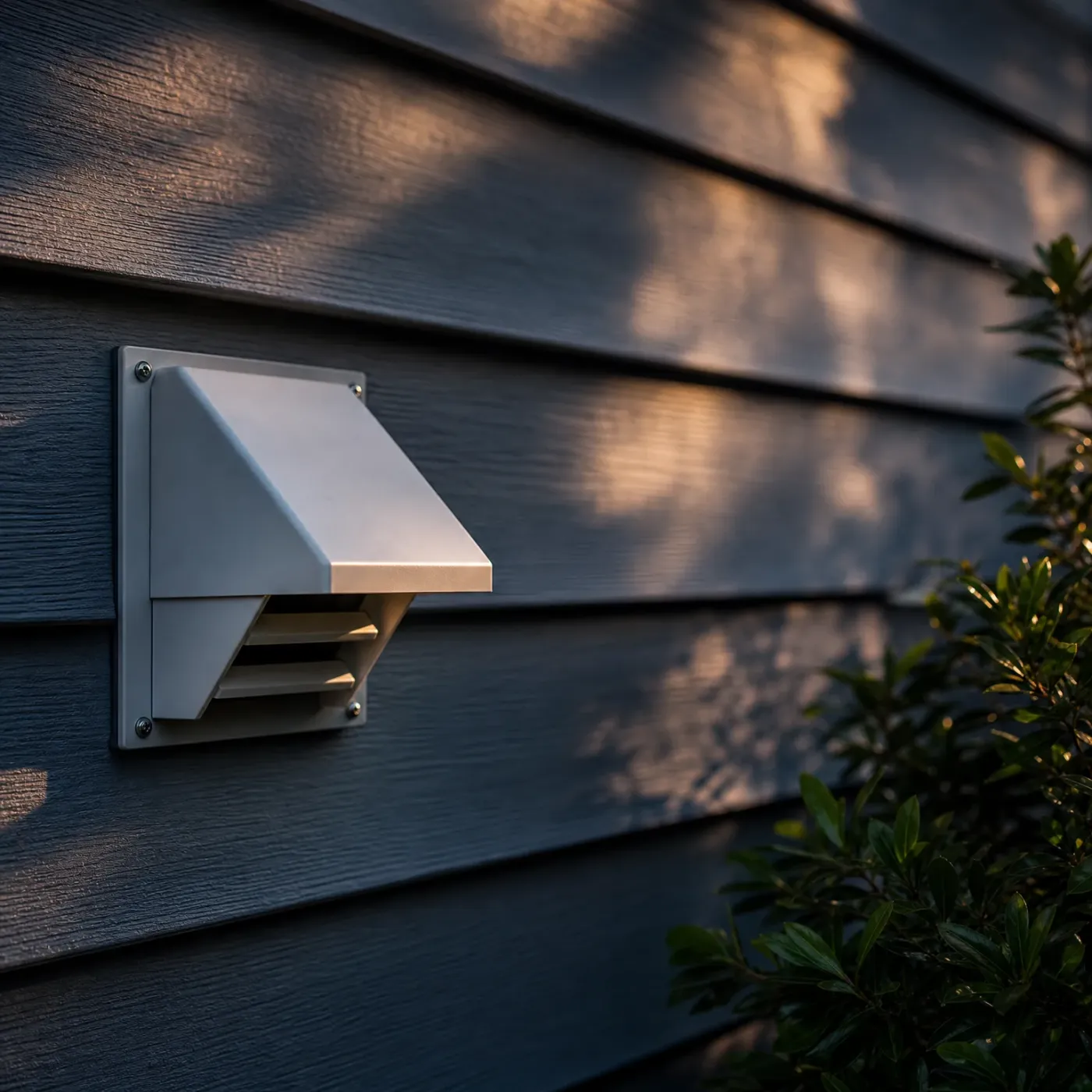

A metal hooded exterior vent cover mounted on dark gray horizontal lap siding, photographed at an angle along the wall.

It's off your list after this

Only one pro gets your request, so you hear from one company.

Duct and vent cleaningSouth Dakota
Step 1 of 3

What kind of equipment?





