
Furnace Repair in Parkston, SD
Furnaces here run from October through May. If yours quits, tell us what it's doing and a licensed contractor who covers Hutchinson County will get in touch.
Tell us about the job
It takes about a minute.
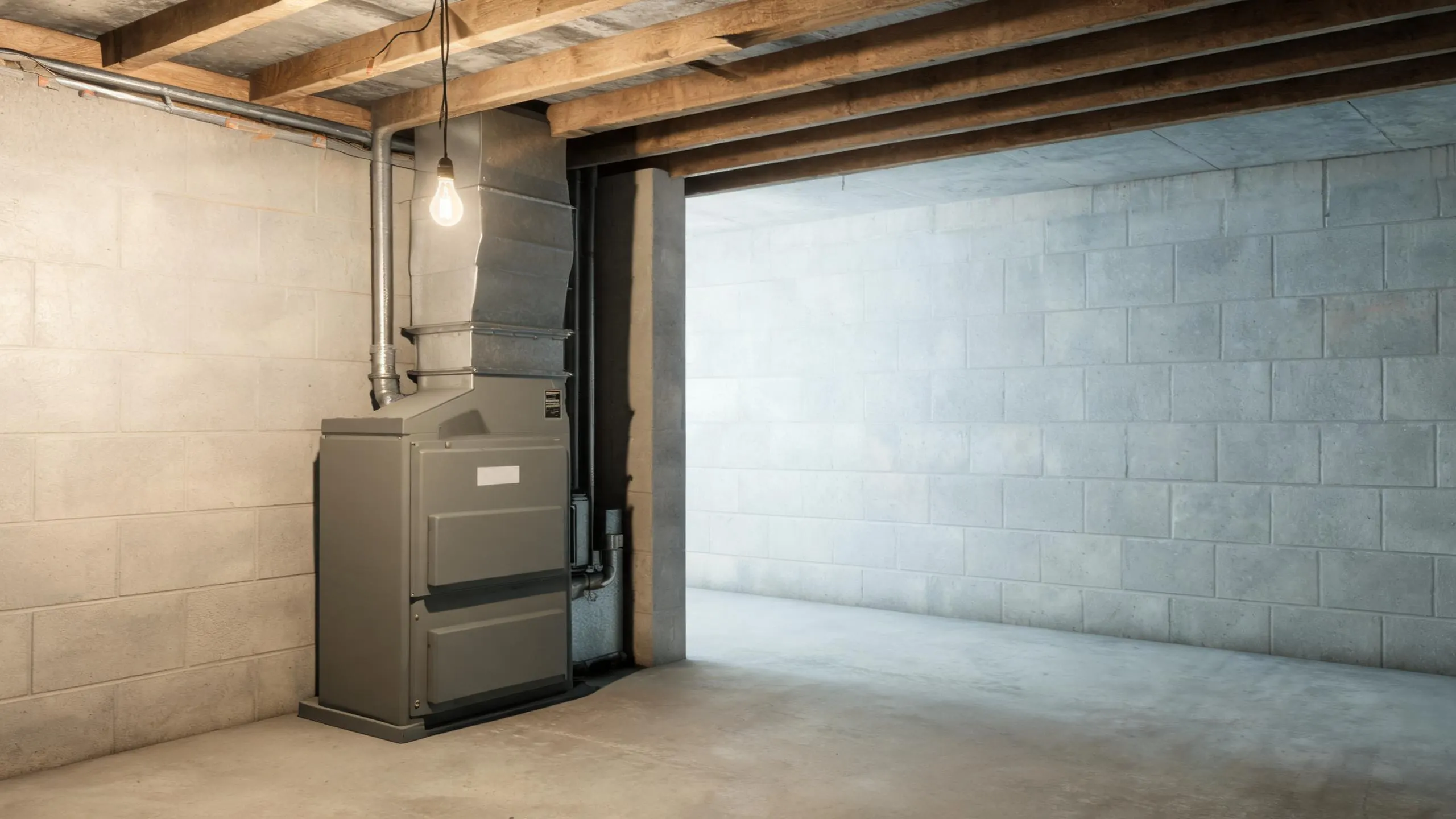
Eight months of heat wear on a furnace built for less
In Parkston, your furnace has to run from October through May. That's eight months of the year it can't fail on you. On nights that average 12°F, it cycles on and off over and over just to hold the house steady, and every one of those starts puts wear on the igniter and the burner.
An igniter that's worn out won't light the burner, and the house goes cold fast at 12°F. With that many hours on the furnace each winter, parts wear on a schedule shaped by this cold, not by the calendar.
- 8 months
- October through May, your furnace is on duty
- 12°F
- the average winter night it heats against
- 38 winter storms
- in ten years, the nights a failure hurts most
NOAA nClimDiv, 1991–2020 normals
In South Dakota, HVAC licensing for homes is left to the cities and towns.
Hutchinson County does not run its own licensing office. Whether a furnace repair contractor needs a local license depends on the town the house is in, and whether that town has set up a rule of its own. Some have. Some haven't. The state leaves that choice to them and keeps no license list of its own, so there is no state board that tested or recorded this contractor.
On a furnace repair, the gas connection is the part that matters most, since that is what can hurt someone if it is done wrong. Whether anyone checks that connection depends on the same local rule. A town with its own permitting office may send an inspector to look at the work. A town without one has no such check built in. The repair itself is the same either way. What differs by address is only who, if anyone, is watching it get done.
Source: South Dakota Legislature
- Why won't my furnace turn on?
- Most often the thermostat isn't calling for heat, or the furnace isn't getting power. Check that the thermostat is set to heat and the temperature is above room temperature, and check the breaker for the furnace and the switch that looks like a light switch near the unit, often mounted on or near the furnace itself. If those are fine, the igniter or a safety switch may be keeping it from starting, and that calls for a contractor to check.
- Why is my furnace blowing cold air?
- If the air coming out feels cold but the furnace is running, it may just be starting up. A furnace pushes air through the ducts a few seconds before the burners light, so what you feel first is air that hasn't been heated yet. If cold air keeps blowing after a few minutes, or the blower runs without any heat at all, the igniter, the flame sensor, or the gas valve may be at fault, and a contractor can tell you which.
- Why won't my furnace pilot light stay lit?
- This usually points to the thermocouple, the small sensor that tells the gas valve the pilot is burning. If it's dirty or worn out, it shuts the gas off even when the flame is lit. A draft blowing across the pilot or a clogged pilot orifice can also cause it. Relighting it yourself may work for a night, but if it keeps going out, have a contractor look at the thermocouple and the pilot assembly.