
Furnace Installation in Harrisburg, SD
A new furnace here will run from October through May every year. Tell us about the house, and a licensed contractor who covers Lincoln County will get in touch.
Tell us about the job
It takes about a minute.
Eight months of heat, nights averaging 12 degrees
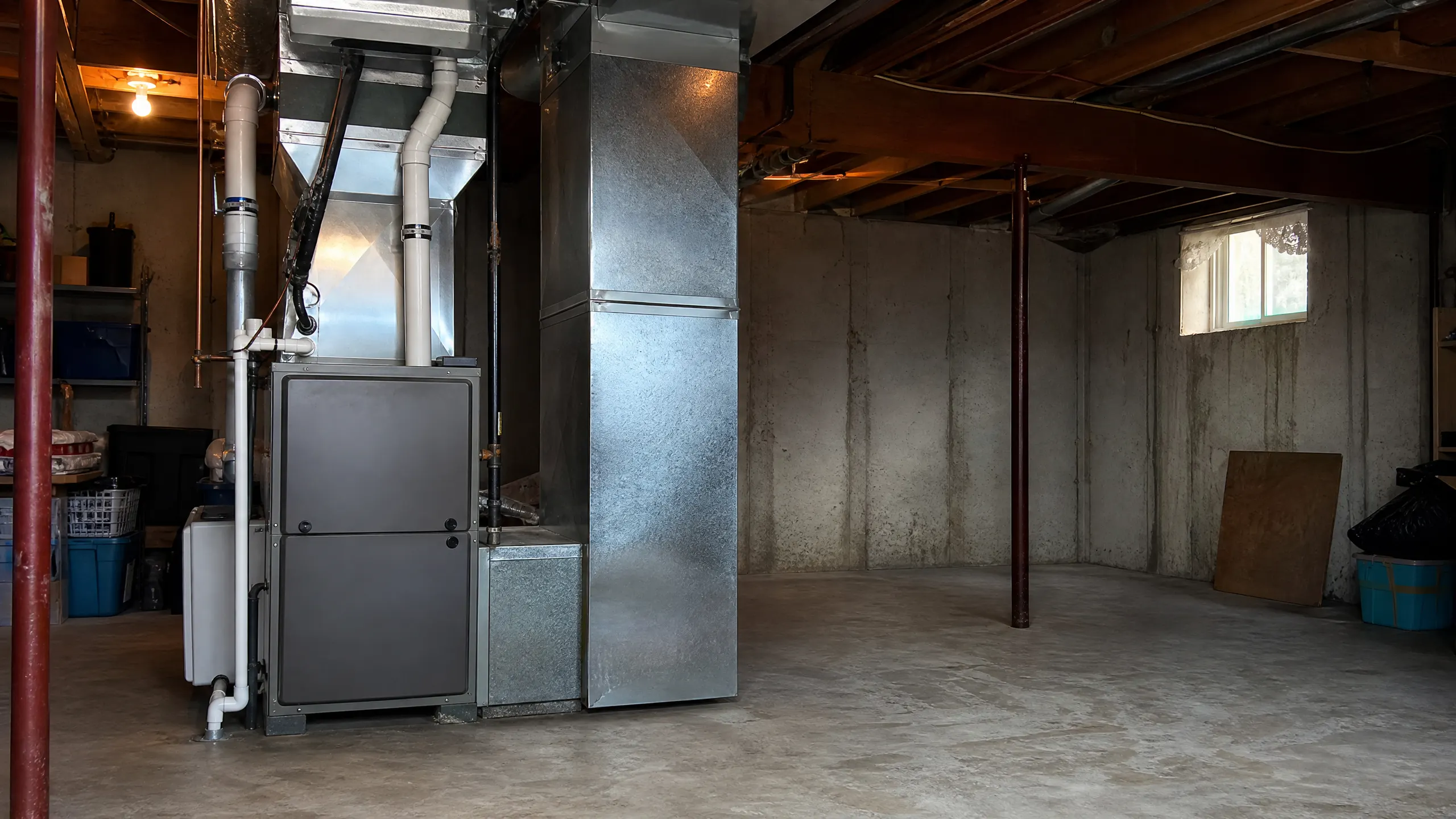
Your furnace in Lincoln County has to cover October through May. That's eight months of the year it needs to run without trouble, through winter nights that average 12°F.
Most homes here heat with gas, and a new furnace has to meet the federal minimum of 80.0 percent AFUE. With winters this long and this cold, the furnace going in now is one you'll depend on for most of the year.
- 8 months
- October through May, your furnace is on duty
- 12°F
- the average winter night it heats against
- 66%
- of homes here heat with gas, so most furnaces here burn gas
- 80% AFUE
- the federal minimum any new unit must meet
NOAA nClimDiv, 1991–2020 normals
A high-efficiency gas furnace would save about $70 a year to run in Lincoln County compared with a gas furnace.
Estimates for a typical Lincoln County home, from EIA household energy data, South Dakota fuel prices and NOAA climate normals. Your home will differ.
In South Dakota, HVAC licensing for homes is left to the cities and towns.
In Lincoln County, whether a contractor needs a local license depends on whether the address is inside a city that requires one. There is no statewide test or state record to check. South Dakota leaves that decision to each city and town. Some towns register or license HVAC contractors on their own. Others have no rule at all.
For a furnace installation, the permit and inspection from the local building office are what stands behind the work here, not a license. Most cities and counties require a permit before a furnace is replaced and an inspection once the work is done. That inspection is what catches a bad gas connection, the part of this job that can hurt someone. In Lincoln County, 66% of homes heat with gas, so that inspection carries real weight here.
Source: South Dakota Legislature
- What size furnace does my house need?
- It depends on your home's square footage, insulation, window count, and layout, so there is no single number that works for every house. A contractor sizes a furnace with a load calculation that looks at your walls, attic, windows, and how the house is laid out, not just the square footage. Going too big wastes fuel and cycles on and off too much. Too small, and it will run constantly on the coldest nights here and still struggle to keep the house warm. Have a contractor do the calculation rather than matching the old unit's size, since the old one may have been wrong too.
- How do I know it's time to replace my furnace?
- If your furnace needs repairs more winters than not, that's a sign to start planning a replacement instead of paying for another fix. Watch for uneven heat between rooms, a burner that won't stay lit, or a rise in gas bills without a reason. Homes here need heat from October through May, with winter nights averaging 12°F, so a furnace that's struggling early in the season is not going to get easier as it goes. Waiting for it to fail completely means dealing with it on one of the coldest nights instead of on your own schedule.
- Is a high-efficiency furnace worth it?
- It depends on how long you plan to stay in the house and what your furnace runs on now. Homes here need heat eight months a year, October through May, so a more efficient furnace has a lot of months to earn back the difference in fuel use. Any new non-weatherized gas furnace sold today has to reach at least 80 percent AFUE by law, so the real choice is between that baseline and the higher-efficiency models above it. A contractor can walk you through the options and what fits your house.