
Dryer Vent Cleaning in Sioux Falls, SD
Tell us about your home, and a licensed contractor who covers Minnehaha County will get in touch.
Tell us about the job
It takes about a minute.

Cold vent runs, wet lint sticks
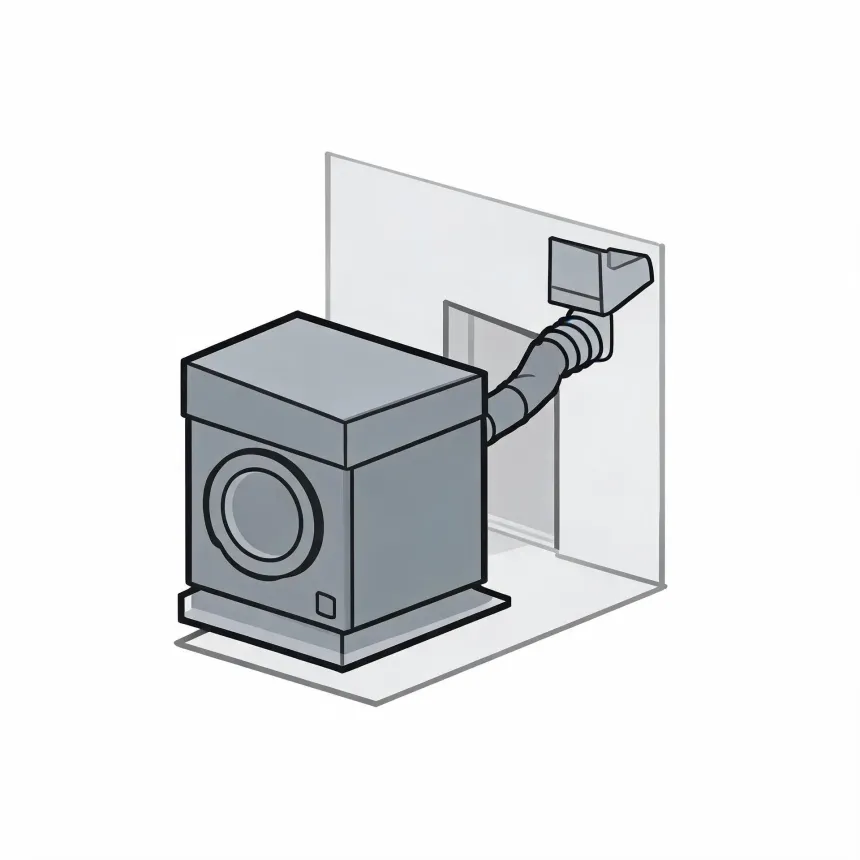
Your dryer pushes out warm, damp air, and that air has to travel through a vent that sits in cold space most of the year. From September through May, with winter nights averaging 10°F, that vent stays cold for months at a stretch. Warm air hits those cold walls and cools fast, and the moisture in it doesn't just pass through. It settles on the metal, and the lint riding along with it sticks there instead of blowing outside.
Over a winter that buildup narrows the vent. Air moves slower, drying takes longer, and the lint sitting wet against the walls doesn't clear out on its own once the weather warms up.
- 10°F
- the average winter night, and cold vents catch damp lint
- 9 months
- September through May, the vent stays cold
NOAA nClimDiv, 1991–2020 normals
- How often should a dryer vent be cleaned?
- Once a year is the general rule for most homes. If drying times start creeping up, that's a sign lint has built up enough that a year is too long to wait. Homes here run the dryer through nine months of heating weather, so a clogged vent means a cold laundry room as well as a slow dryer.
- Can I clean my dryer vent myself?
- You can clean the first few feet from the dryer and the outside hood yourself, and that's worth doing between full cleanings. What you can't easily reach is the rest of the run, especially where it turns or passes through a wall. A contractor cleans the whole duct with equipment sized for the length of the run, not just the ends of it.
- What are the signs of a clogged dryer vent?
- Clothes that come out hot but still damp is the clearest sign. Others include the dryer running noticeably longer than it used to, the outside of the dryer feeling hot to the touch, a burning smell during a cycle, and little to no airflow at the outside vent hood when the dryer is running. Any one of these means lint is blocking the vent enough to hold heat and moisture inside the drum.