
Dryer Vent Cleaning in North Sioux City, SD
Tell us about your home, and a licensed contractor who covers Union County will get in touch.
Tell us about the job
It takes about a minute.

Cold vents make the lint stick
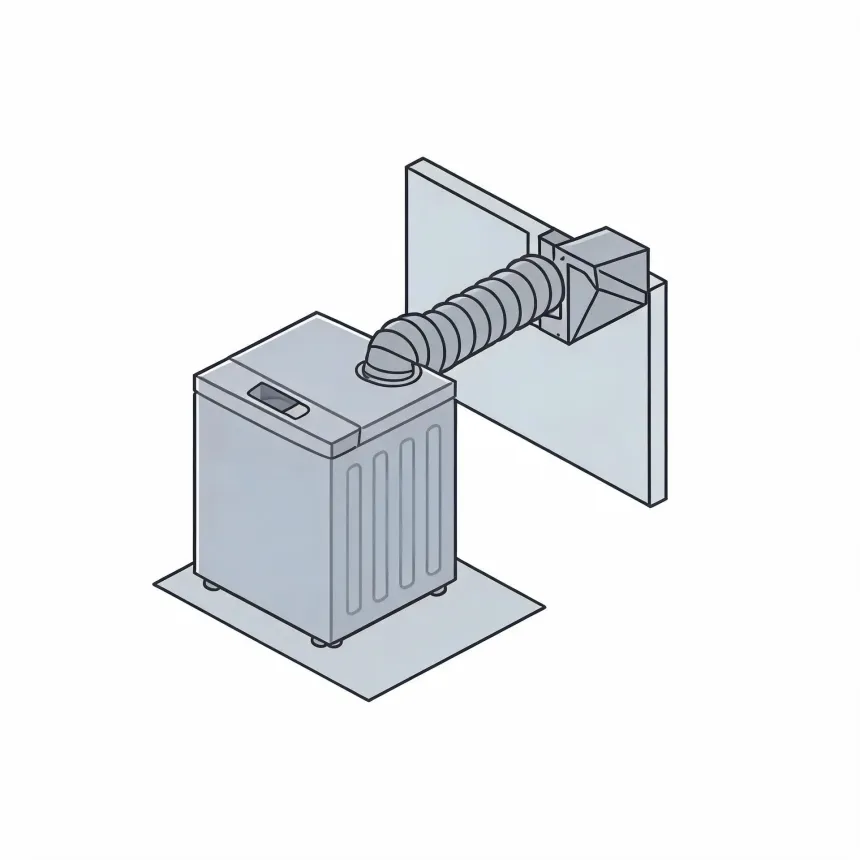
Your dryer pushes out warm, damp air, and that air has a long run through the vent before it reaches outside. With winter nights averaging 13°F from December through February, the metal of that vent runs cold most of the day, October through May. Warm exhaust hits those cold walls and cools fast, and the moisture in it beads up on the metal. Lint sticks to a damp wall far better than a dry one, so the buildup packs in tighter and faster than it would in a warmer month.
A vent narrowed by lint can't move air the way it should. The dryer runs longer to dry the same load, and the extra heat and moisture have nowhere to go but back toward the house.
- 13°F
- the average winter night, and cold vents catch damp lint
- 8 months
- October through May, the vent stays cold
NOAA nClimDiv, 1991–2020 normals
- How often should a dryer vent be cleaned?
- Once a year is the standard. A vent that stays clear moves air the way it should and lets the dryer push air out the hood without straining. If you notice clothes drying slower than they used to, that is a sign to clean it sooner rather than waiting for the year mark.
- Can I clean my dryer vent myself?
- You can clean the part you can reach. Pulling the dryer out and clearing lint from the back of the machine and the first few feet of duct is worth doing regularly. The rest of the run is harder to reach and harder to know if it is actually clear, so a lot of homeowners have a contractor handle the full length every so often.
- What are the signs of a clogged dryer vent?
- Clothes that take longer than they used to, or come out hot to the touch but still damp, are the clearest sign. Check the outside vent hood too. If the flap barely moves or you feel little to no air coming out while the dryer runs, lint is building up somewhere in the line. A burning smell or a dryer that shuts off partway through a cycle means the same thing and should not wait.